Education: Adopt-A-School in Peru

Most days don’t start with a walk through a construction site and a “mototaxi” ride to get into the office, but today it did. It also included watching an iguana outside of the office window as it rested against the tree branch soaking in the Amazonian heat.

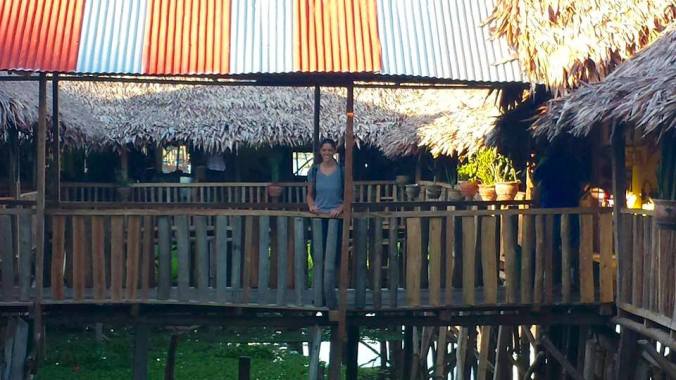
Currently, I am in Iquitos, Peru, preparing for evaluations in 53 rural communities along the Amazon and Napo Rivers. This is part of our Adopt-A-School program that the Detroit Zoological Society (DZS) supports in conjunction with an organization called Conservacion de la Naturaleza Amazonica del Peru, A.C. (CONAPAC), based out of Iquitos.
carla

We work together to bring conservation awareness to these communities as well as provide opportunities for education. Each spring, the DZS leads groups of volunteers down to Peru to deliver school supplies to these communities. In the fall, as the schools wrap up their school year, we send DZS staff to attend these evaluations to check in with communities on how well they are using their supplies, how well the students are learning and how well they are maintaining the environment around their communities. That’s what DZS Education Specialist Adam Dewey and I are here to accomplish.

Although I’ve attended the school deliveries in the past, this is my first opportunity to be here for the evaluation component. I’m looking forward to seeing what the communities look like without the festivities that the school supply deliveries bring. We will see students in school, see how they learn and all that they’ve been able to accomplish this past year. We will talk with leaders within the program to see how well they’ve maintained and supported the service projects that have been completed within their communities. We will also see the new water filtration systems in use in each of the schools. Clean drinking water has been an additional project for CONAPAC, and one that has helped to keep children in these communities healthy, so I am especially looking forward to seeing this in action.

Soon, we will be heading down the river to rustic lodges in beautifully remote areas, where hot water isn’t an option, and electricity is only found in the dining hall. I am looking forward to being immersed in the rainforest for the next two weeks, spending time in these communities and visiting with the amazing people that live here. Check back soon to hear more about the program and our upcoming adventures in the communities!

– Carla Van Kampen is a curator of education for the Detroit Zoological Society.
Notes From the Field: Silence in the Amazon

Hola mis amigas y amigos!

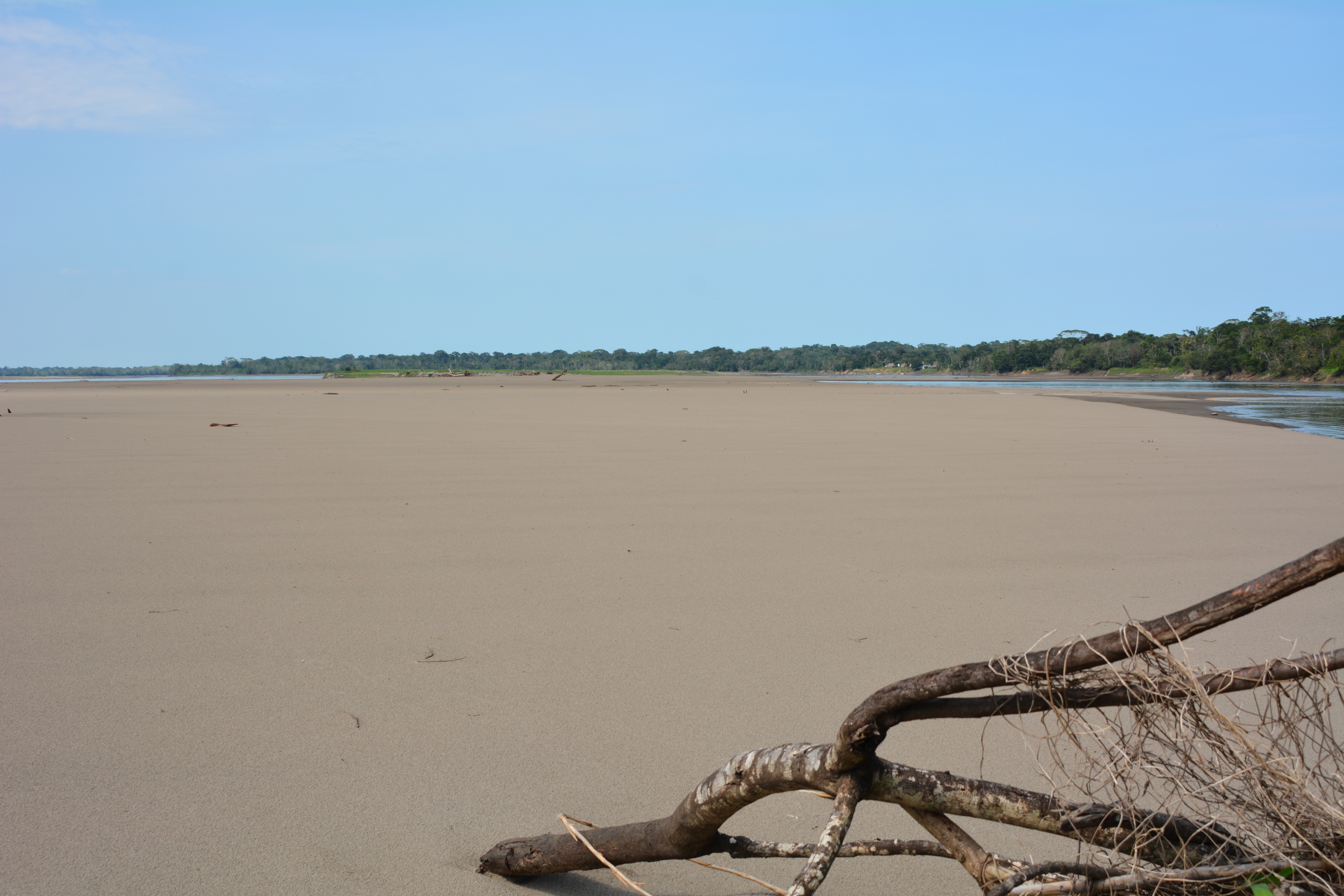
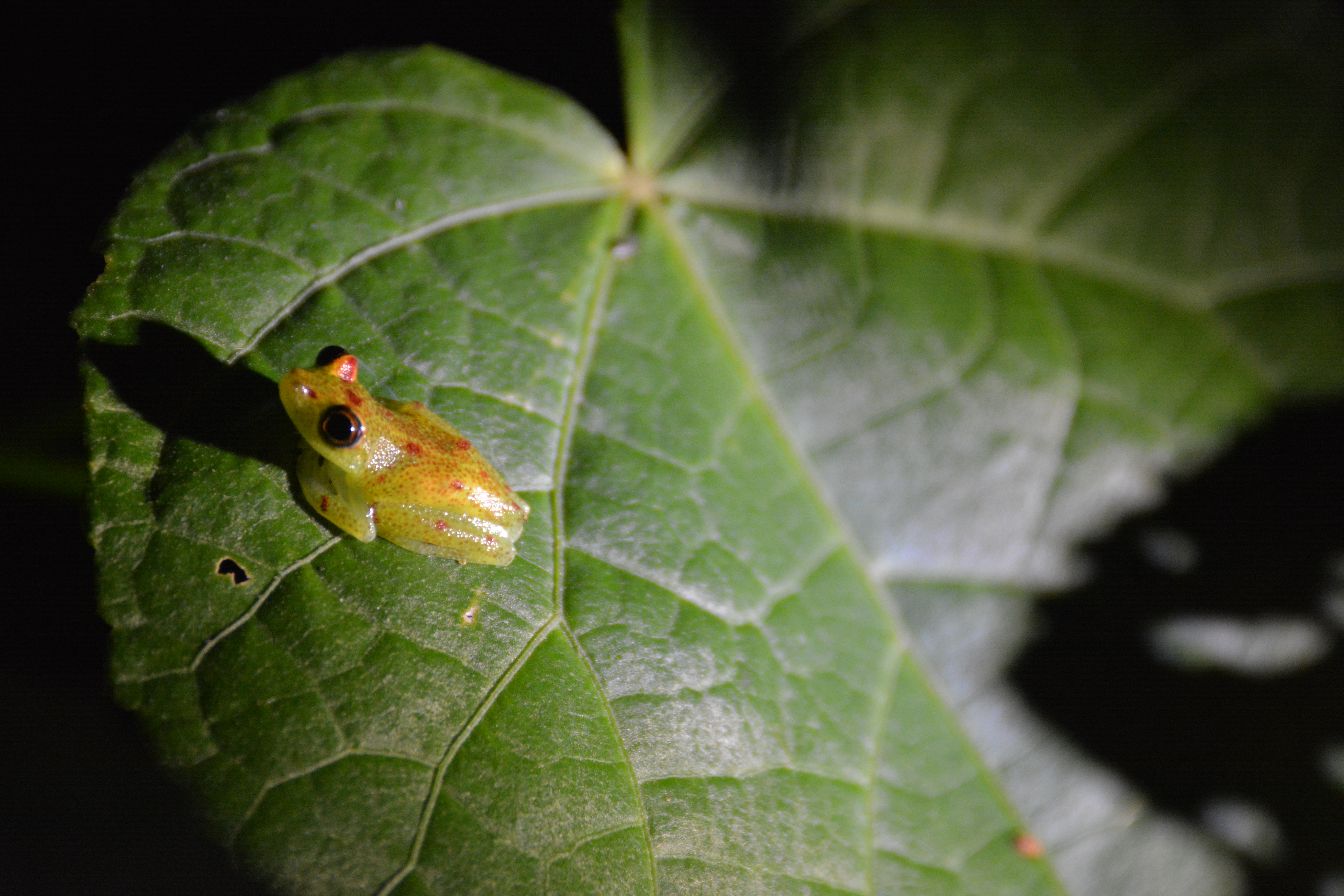
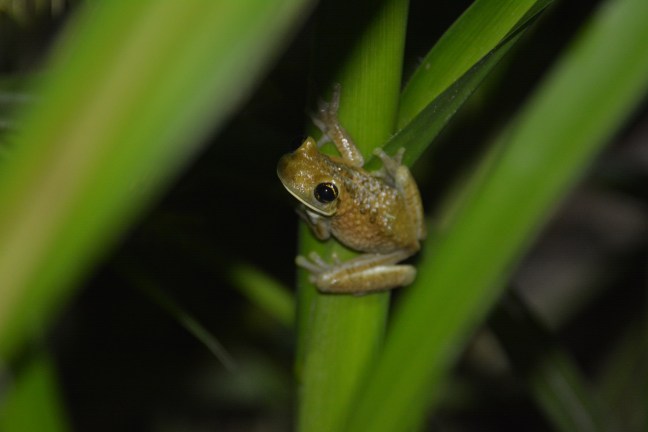
This has been an interesting trip indeed! We can normally get pretty close to the island of Purawa by boat, but this time, we ended up walking on what looked like a desert a mile long! When we finally got to the “green” part, it was equally as dry. We cut a path with a machete for the evening hike and waited for the sun to disappear. We saw some species of amphibians, but none that we would’ve hoped or expected to see. This island is uninhabited and usually has not only a large number of amphibians, but also a lot of different species. We often see an abundance of tree frogs and many smaller species perched in the grasses along the smaller ponds. This time there were almost no tree frogs and only a handful of toads.

Days later, we made plans to meet with the Amazon Amphibian Protectors Club and take them out on a night hike. We have been working with these students for close to five years, and they have such a lovely appreciation for amphibians now, spreading the word to other students in their school. They are always thrilled to participate in an evening trip to learn about amphibians and potentially see different species than what they normally would. We chose an island that was close by the school and looked promising. The children found several toads until the professor announced that she heard rain. It took quite some time to get back to the boat and by then we were experiencing heavy rain and thunder. As we drove back to the school, several fish jumped in our boat. They were similar to what we have as sunfish or bluegill, and small and flat enough that I could toss them back into the water as quickly as they flew into the boat. I was thrilled I could toss them all back, but I may have been the only one that was.I am a third of the way into my travels and have seen and heard less than I would have expected. I have tried to record in the evenings so I can determine if there are other species present. I place a digital recording device in an area where I can already hear calls, so that I can record and download the sounds
later. One night, there was silence – complete silence for what seemed like an hour though it turned out to be only 10 minutes. That is an unusual sound in the rainforest – hearing nothing at all. Lightning and thunder came on quickly, which may explain the brief silence. I was curious before but am now very interested to see what the remainder of the week will be like.

Buenos noches!

– Marcy Sieggreen is the curator of amphibians for the Detroit Zoological Society and is doing fieldwork in Peru, studying amphibians in the lower elevations of the Amazon River to see how they are faring with increased human populations and impacts in their habitats.

Editor’s note: Marcy Sieggreen was the curator of amphibians for the Detroit Zoological Society from 2008 until her passing in 2016. The Detroit Zoological Society established the Sieggreen Amphibian Conservation Fund in Marcy’s memory to continue to advance the work she so passionately championed.

Notes From the Field: Amphibian Diversity in Peru

Hola mis amigas y amigos!

My Peruvian friends have been telling me that the last few months have been very dry, so I had no idea what to expect upon my arrival. I was very surprised to see that the Amazon River was at least 30 or more feet lower than when I was here in March, which could potentially have a huge impact on what amphibians we see. Areas where there would normally be ponds could be completely dry. As you can imagine, I couldn’t wait to get out into the rainforest and see what may be waiting for us.

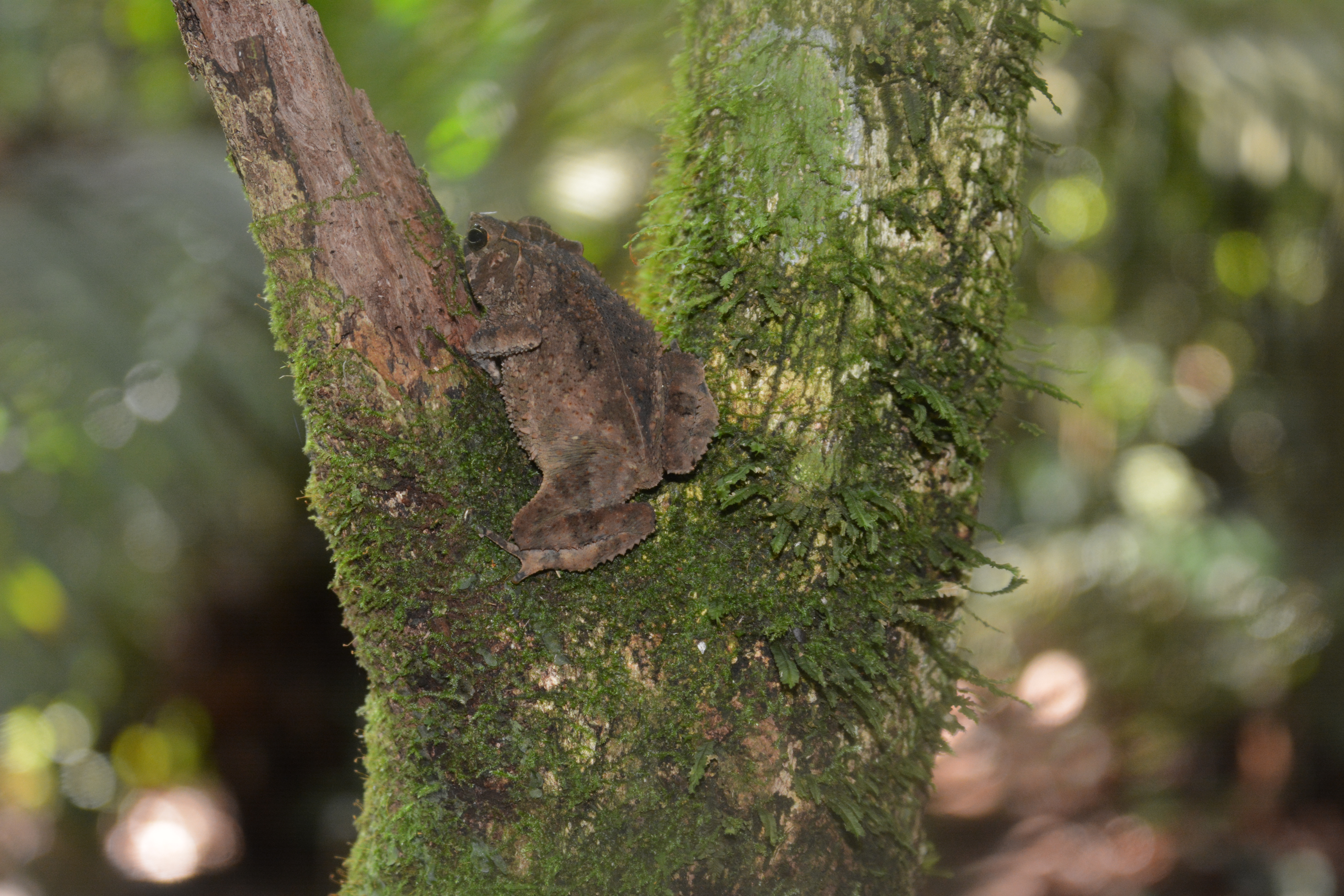
Unfortunately, my suspicions were accurate and amphibians were much harder to find than usual. Since we monitor some of the same areas year after year, I had a pretty good hunch on where and what I might find in certain areas. When we have time, we always check other areas but our priority is to first survey our research sites. Among many other pieces of data we have been collecting, we are looking at diversity and abundance of species – basically, what types of frogs and toads and how many. This year seems to be the most obvious change, likely, due to the dryness. The humidity levels even felt different – normally my skin stays moist but this time I was using lotion.So far, the most interesting or peculiar sighting was a toad that had climbed a tree. The toad, common to South America, was at least four feet off the ground with no visible easy climbing point. I can hardly wait to see what else we may find!

Buenos noches!

– Marcy Sieggreen is the curator of amphibians for the Detroit Zoological Society and is doing fieldwork in Peru, studying amphibians in the lower elevations of the Amazon River to see how they are faring with increased human populations and impacts in their habitats.

Editor’s note: Marcy Sieggreen was the curator of amphibians for the Detroit Zoological Society from 2008 until her passing in 2016. The Detroit Zoological Society established the Sieggreen Amphibian Conservation Fund in Marcy’s memory to continue to advance the work she so passionately championed.

Notes from the Field: Polar Bears in Alaska

Greetings from zip code 99747 in Kaktovik, Alaska!

Kaktovik lies on the far northeast coast of Alaska above the Arctic Circle and in the Arctic National Wildlife Refuge (ANWR). It is a whaling community with a long history of its people living in close proximity to polar bears. I traveled to Kaktovik in 2014 and again in 2015. This time I am fortunate to be joined by one of the Detroit Zoological Society’s (DZS) associate mammal curators, Betsie Meister, who has extensive experience with polar bears and oversees the Arctic Ring of Life, an expansive 4-acre habitat at the Detroit Zoo that is home to polar bears, seals and arctic foxes.

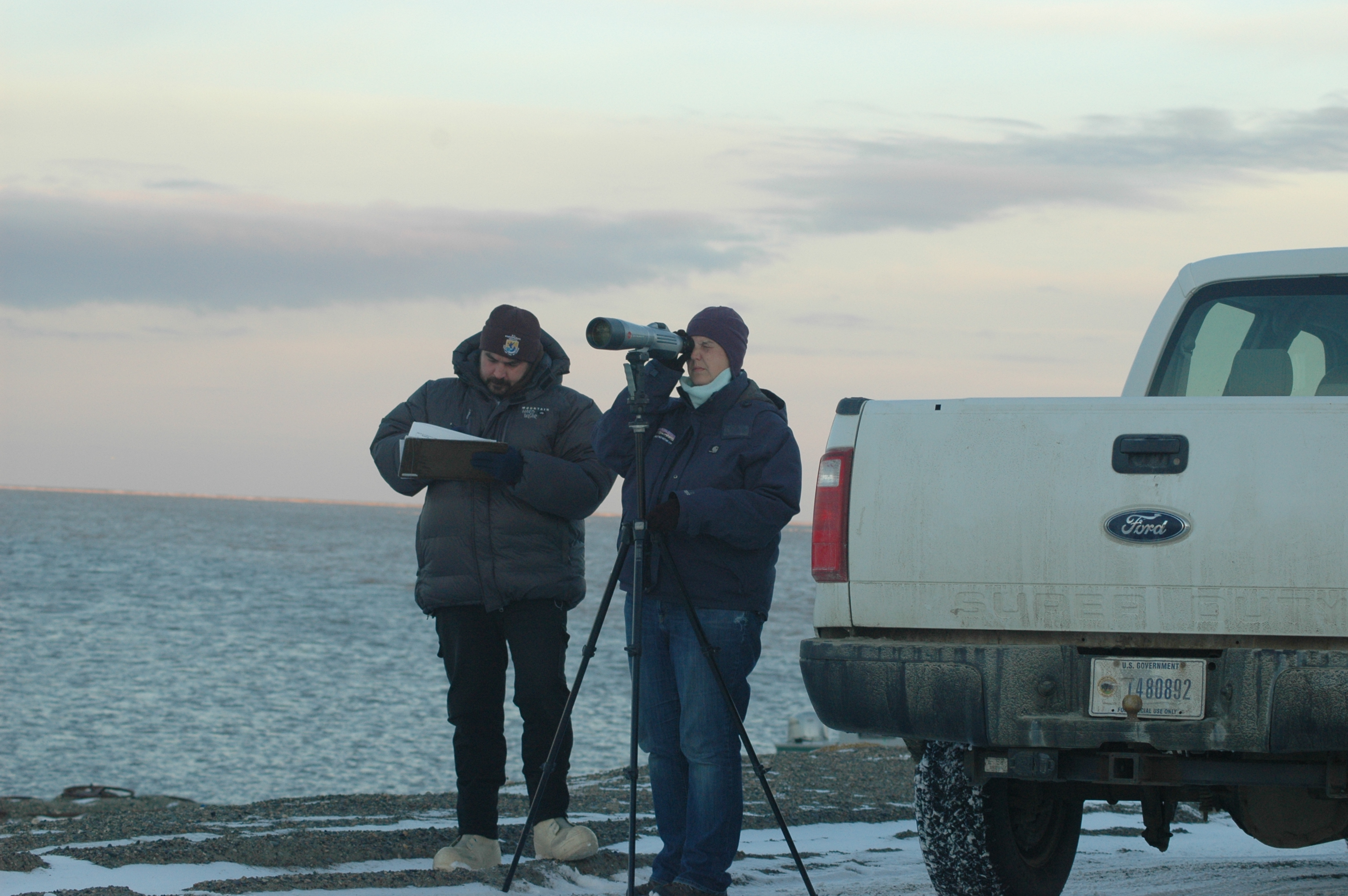
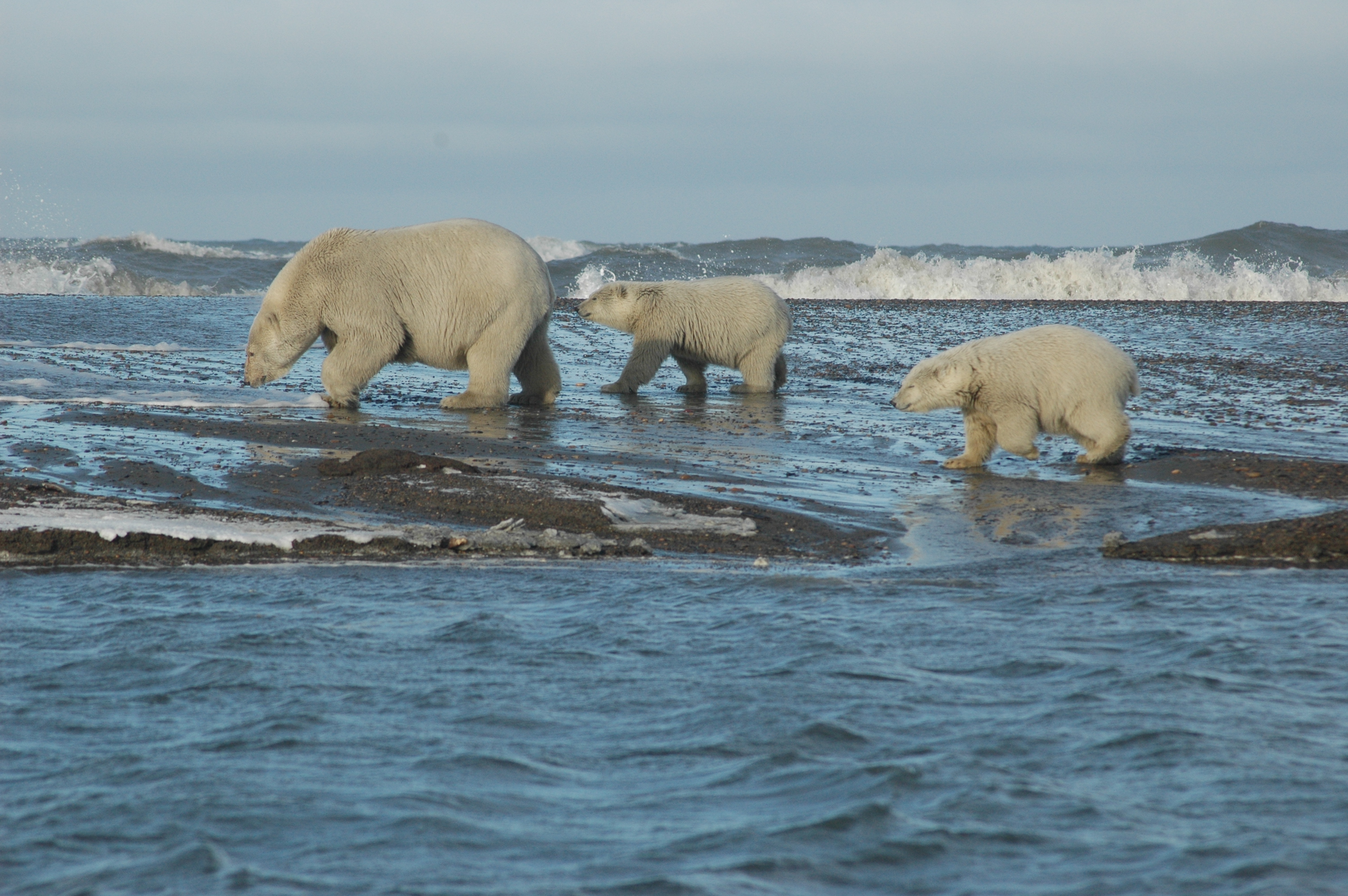
We are here to help colleagues with U.S. Geological Survey, U.S. Fish and Wildlife Service and ANWR to study changes in polar bear numbers, as well as polar bear behavior and use of resources in response to the changing climate. As the climate warms, the arctic summer is getting longer and sea ice is diminishing. Polar bears come off the sea ice usually in late August and spend September and a few weeks of October in the area around Kaktovik waiting for the sea ice to form again. Polar bears use the sea ice as their platform for hunting seals, which is the majority of their wild diet. Without access to the ice, the bears are forced to spend more time on land.

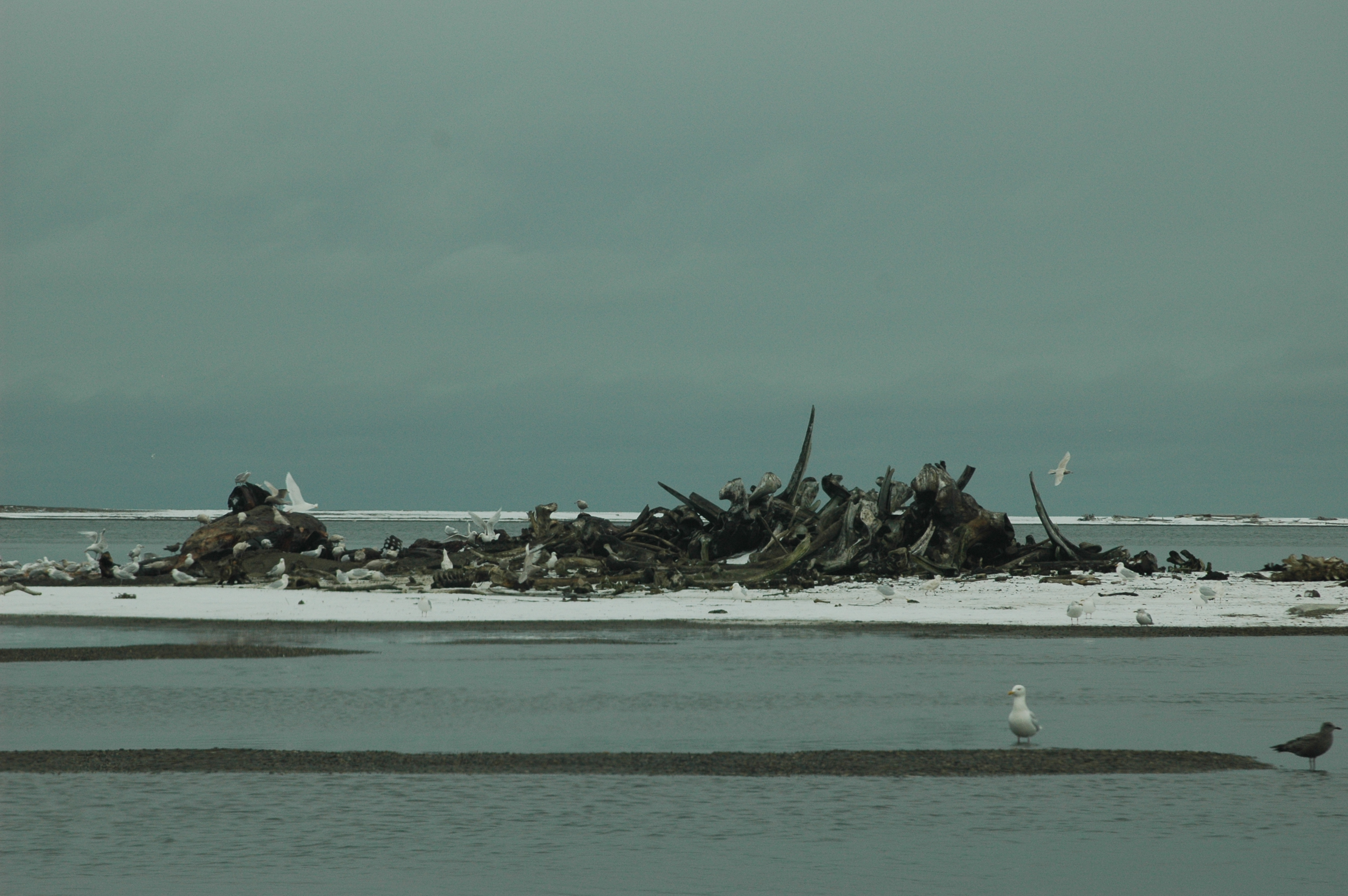
The Inupiat community of Kaktovik hunt bowhead whales every fall to store enough food for the winter. After processing the whales on the beach, the whale remains are taken about a mile and half to the edge of town and placed in the “bone pile”. Polar bears come to feast on the remains, which continue to be a strong attractant for weeks. Kaktovik, which is home to approximately 300 people year round, adds a population of polar bears numbering 15-40 and up to 80 in the late summer and fall. As a result, Kaktovik is becoming more and more popular with tourists from all over the world coming to see the polar bears.

The bears primarily stay on the barrier islands just outside of town, but there is a great potential for human-bear conflict, and the DZS is interested in seeing how Kaktovik handles the conflict. Usually, the bears are kept away with all-terrain vehicles (ATVs) and trucks, but sometimes more force is necessary. Shotguns loaded with “cracker shells” or bean bags are then used to keep the bears away. An important safety measure that has been established is the Polar Bear Patrol. This patrol drives around Kaktovik every night from 8 p.m. to 8 a.m. protecting the community from bears wandering into town. This year, there was more whale meat at the bone pile than last year, so bears seemed to stay near the pile and away from town. Last year, while I was in Kaktovik, an incident occurred when a bear consumed some dog food from underneath the house next to ours and entered another house to feed on seal blubber.

We came to Kaktovik a week earlier than last year hoping to also observe brown bears. Brown bears have also been affected by the warming climate. They are moving farther north and coming into more contact with polar bears, overlapping more in resource use and, in some places, even hybridizing with polar bears. At Kaktovik, both bear species have been observed feeding on the whale remains, and the DZS is interested in better understanding the overlap in resource use between these species. Unfortunately, no brown bears were seen this year during our time in Kaktovik, and locals informed us that only two or three brown bears had been seen this year.

Kaktovik is just one of the communities on Alaska’s North Slope that face unique circumstances with our Earth’s changing climate. The increased interaction with polar bears and brown bears is a fascinating situation and will become increasingly important for the management of both species. With continued monitoring of bears on the North Slope, the safety of both the public and the bears will remain the top priority of the community, and the DZS will assist in this effort.

– Paul Buzzard, Ph.D., is the director of conservation for the Detroit Zoological Society and Betsie Meister is the associate curator of mammals.

Greenprint: Detroit Zoo is the Greenest Zoo

This year, the Detroit Zoological Society (DZS) celebrated its 13th year of strategic planning around green efforts. Lucky 13 has proven to be our year, as we’ve just been awarded the 2015 Green Award – top honors – by the Association of Zoos & Aquariums for our sustainability initiatives. This national award recognizes that being green also makes good business practice and directly contributes to the conservation of the natural world.

This honor came on the heels of the DZS completing our bottled water phase-out effort, which is helping to keep more than 60,000 single-use plastic bottles out of landfills and the environment. Over the last three years, the DZS has also invested more than $3 million into energy efficiency projects, which results in utility costs savings of nearly $275,000 annually.

The year ahead is even more exciting as we are currently breaking ground to build the first dry biodigester in Michigan, and the first zoo-based system in the country. This biodigester will compost more than 400 tons of animal waste and organic food waste while capturing methane to be used as a renewable energy source to help power the Zoo’s animal hospital.

We are also getting our feet wet (or in this case keeping them dry) with permeable pavement sidewalks and parking lots, which diverts storm water from our sewer systems to prevent flooding and sewer overflows into our rivers and lakes.

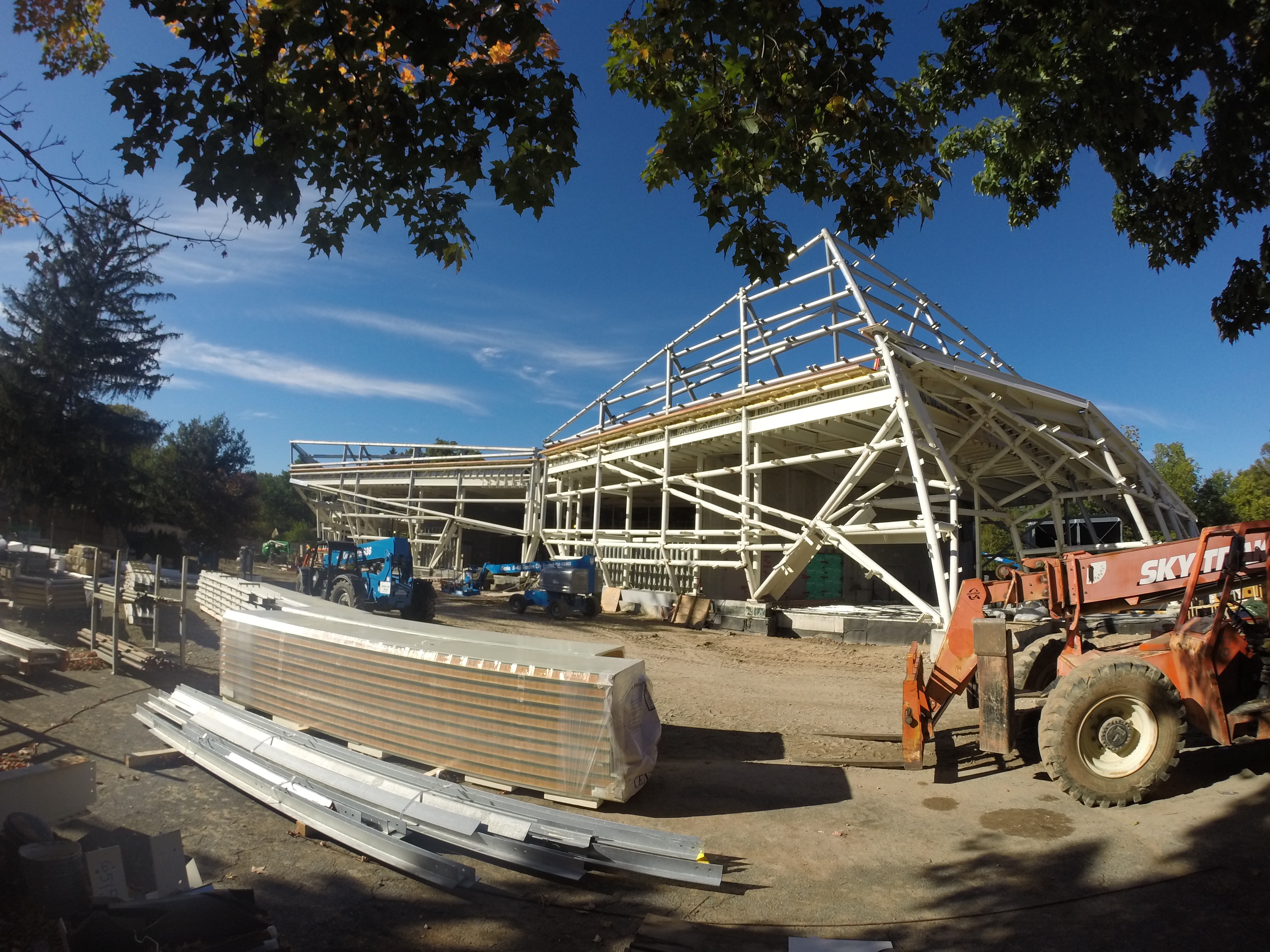
And perhaps most exciting, we will open the new Polk Penguin Conservation Center in early 2016, which will represent our most sustainable construction work to date and will provide more than 80 penguins of four species with a state-of-the-art habitat while creating a critical discussion around climate change. The entire building is being designed to meet goals of LEED and components of the Living Building Challenge, with renewable and recycled materials, daylight harvesting through solar tubes, as well as water filtration systems helping us reach net-zero water use.

Join us on our Green Journey!

Beth Wallace is the manager of sustainability for the Detroit Zoological Society.

Notes From the Field: Snow Leopards in the Tien Shan Mountains

Paul Buzzard, Ph.D., is the director of conservation for the Detroit Zoological Society.
Greetings from Urumqi,

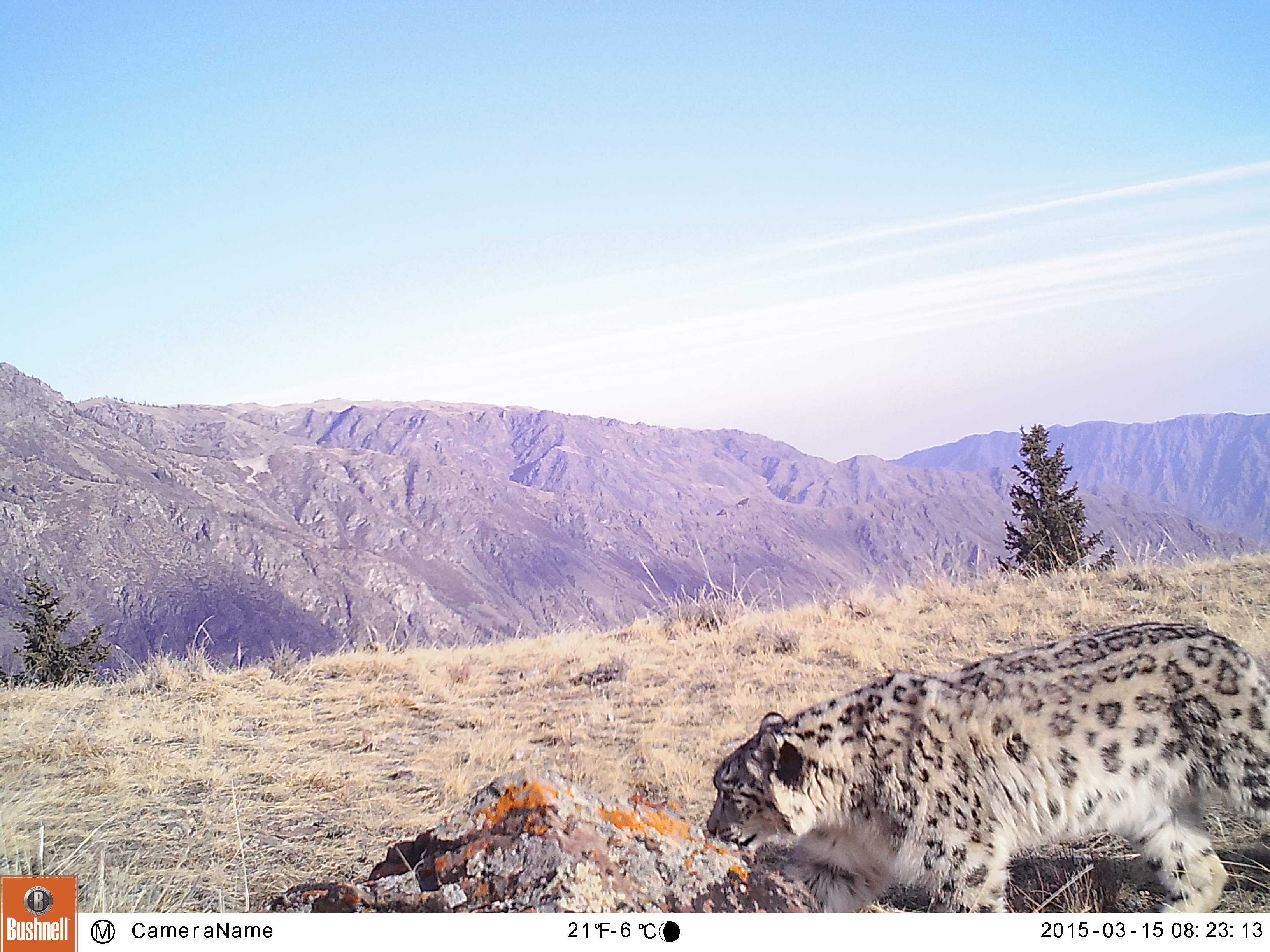
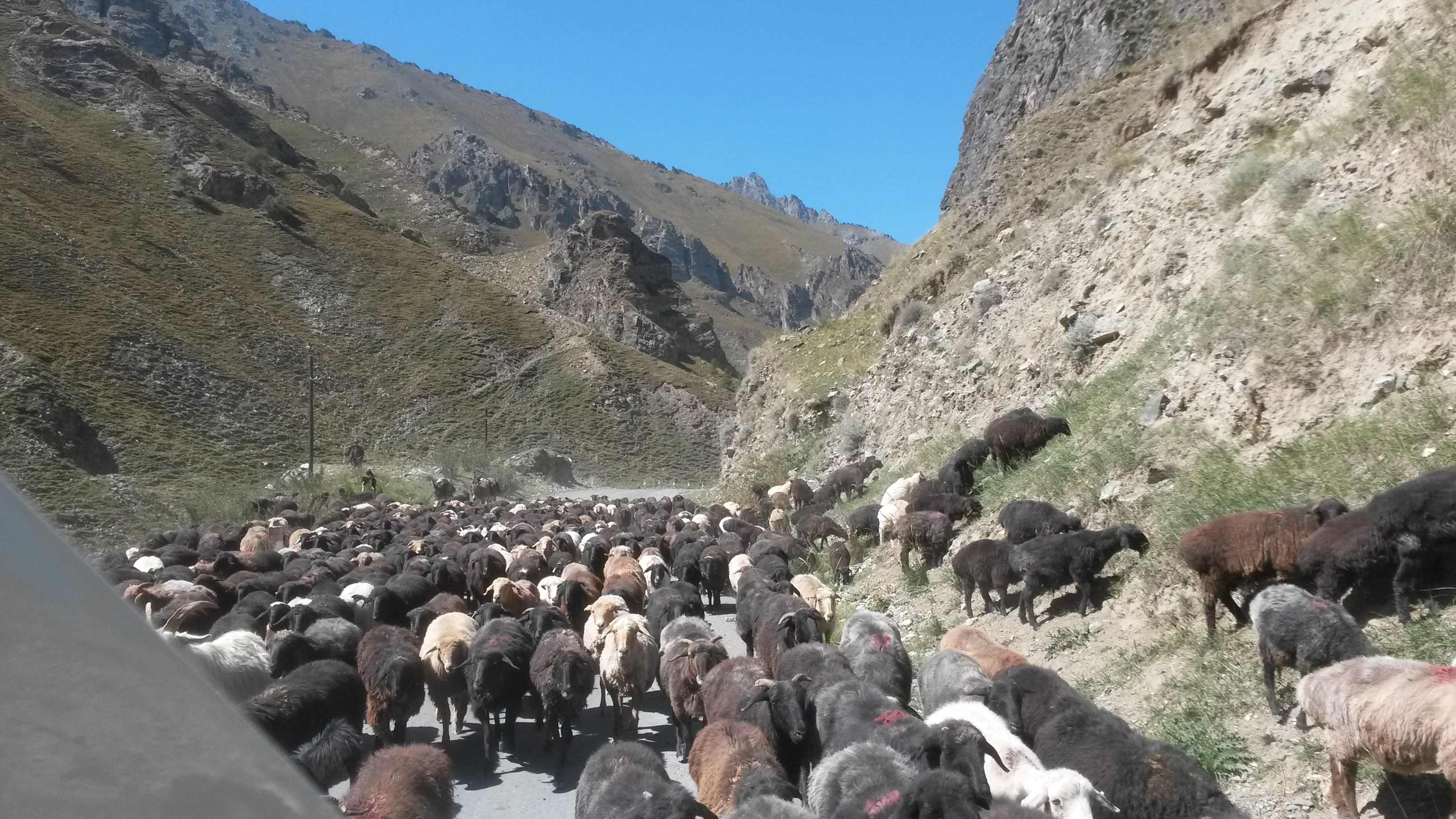
I am in the Xinjiang province of northwest China, continuing a project that focuses on the conservation of snow leopards. In this project, the Detroit Zoological Society (DZS) is working with Chinese colleagues to learn more about the current status of snow leopards in the Tien Shan Mountains, a need highlighted in the most recent conservation plan of the Snow Leopard Network. We are using trail cameras and interviews with herders to assess the population size of snow leopards and their potential prey, such as ibex. Eventually, we hope to use this information to set up protected areas. We also try to learn about threats to leopard conservation from human-leopard conflict. This conflict arises when leopards kill livestock, such as sheep, and herders retaliate by killing leopards.

We set 20 trail cameras last December, and checked them in March before setting another 30 cameras. These cameras were checked again in July, and there were more than 400 pictures of snow leopards from 35 cameras as well as pictures of other carnivores, including wolves and foxes and potential prey such as ibex and red deer. This time, I returned to China with several objectives. First, I wanted to download the pictures and begin analysis to see how many leopards were represented in the pictures. I also wanted to visit for the first time the field site south of Urumqi, the capital of Xinjiang. Finally, I was also very keen to check on progress in setting up protected areas.

As for my first objective, there were some great pictures. In fact, several cameras had pictures of more than one individual leopard. For example, there was a picture of a leopard spraying rock with urine and another leopard investigating it afterwards. There was also a picture of a leopard visiting a vulture nest.   There were no eggs or hatchlings in the nest, but it was very interesting to see that a leopard could even access such a difficult to reach site. There were at least two individuals on other cameras as well, but it is still necessary for more analysis to see how many more individual leopards are present to estimate population densities.

It was also very interesting to visit for the first time the study site 50 miles south of Urumqi. Unfortunately, at this time there was little wildlife because it was a very busy time with herders moving their flocks down from summer pastures. But it was nice to learn that there was little human-leopard conflict here unlike at field sites to the west. In fact, the herders accept some leopard predation on their livestock somewhat like the price of doing business, while other herders are much more concerned with the bottom line and don’t put up with leopard predation, which is an interesting cultural distinction.

I was also very happy to complete a report with our Chinese colleagues for submission to the Chinese government. The report proposes establishing eight protected areas in the eastern Tien Shan Mountains, and our camera data were a critical component. A similar report for the western Tien Shan Mountains is forthcoming.

– Dr. Paul Buzzard

Notes From the Field: Martens in Manistee

Paul Buzzard, Ph.D., is the director of conservation for the Detroit Zoological Society.
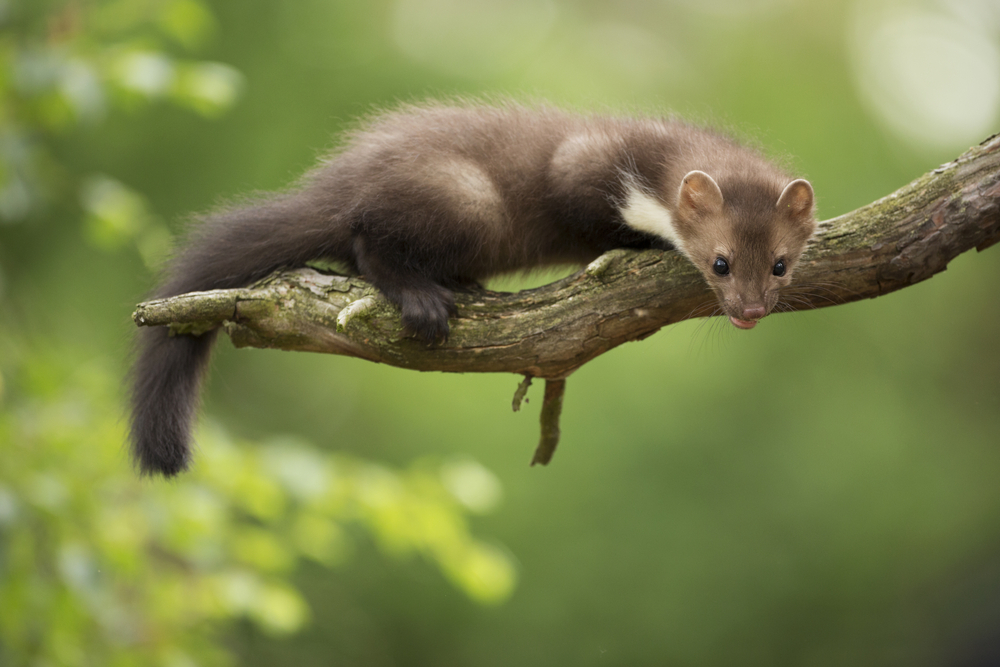
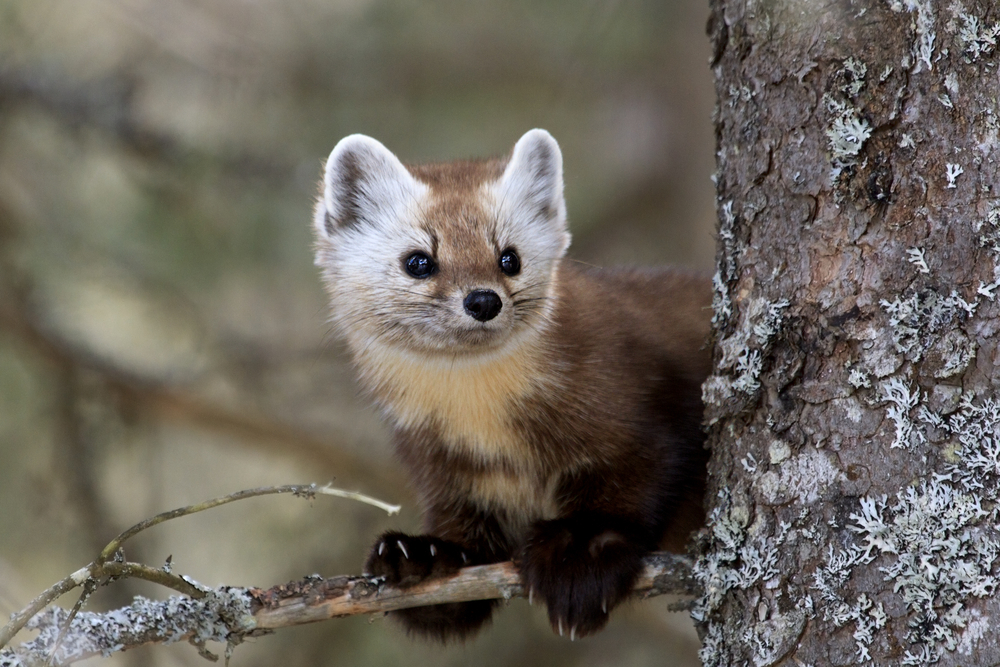
I recently returned to northern MichiganFile photo with staff from the Detroit Zoological Society (DZS), Grand Valley State University (GVSU), and Busch Gardens to continue studying the behavioral ecology and conservation of American martens. American martens are small carnivores that are weasel-like and largely arboreal, which means that they live in trees. They were hunted out in Michigan’s Lower Peninsula by the early 1900’s and reintroduced to the Manistee National Forest nearly 30 years ago.

We are studying the success of marten reintroduction by looking at marten health, survival of their offspring, known as kits, and habitat use. These data will be used to see how the forest can be better managed by the U.S. Forest Service to benefit martens.

File photo DZS veterinarians have helped in the past to put radio-telemetry collars on the martens to track their locations. However, this technique, which involves capturing the martens in live traps, is very labor-intensive, and only provides information on marten locations a few times per week. The DZS provided funds for GPS collars that use satellite positioning data to record marten locations every half hour and gather much more accurate information on marten ranging and habitat use. In fact, we’ve been able to retrieve data from one of the collared martens and it is giving us great information on how the marten is using his habitat.

During this visit, our task was to help set the live traps with venison as a tasty treat for the martens and placing a stinky concoction called “Gusto” around the traps to attract martens from far away. We captured one marten, but as it turns out, that marten had been previously collared. This marten was special, however, because it had been orphaned and fed by GVSU students until its independence. The marten’s mother had been found dead on the side of the road, so the students decided to catch mice and leave kitten chow for the young martens left behind until they reached adulthood.

We also had the opportunity to follow two other martens wearing radio-telemetry collars. We were able to see the tree dens they were using and observe the martens high up in the trees. All in all, it was a wonderful trip.

– Paul Buzzard

Notes from the Field: Two Weeks in the Panamanian Jungle

Recently, I found myself trekking through the jungle, holding a machete, in search of the perfect piece of wood. This wasn’t a typical day of work for me with the Detroit Zoological Society (DZS) – I’m usually found in the National Amphibian Conservation Center (NACC) at the Detroit Zoo, changing filters, cleaning misting lines and feeding tadpoles. But on this particular day, I was in El Valle, Panama, a small town situated in the valley of an extinct volcano; the historic home to the Panamanian golden frog (Atelopus zeteki), a species that is critically endangered in the wild.

The DZS has maintained a breeding population of Panamanian golden frogs at the NACC since the year 2000 as part of the Association of Zoos and Aquariums’ Species Survival Plan, a cooperative management program that ensures genetically healthy, diverse and self-sustaining populations of threatened and endangered species. Since I personally care for and breed this delicate species at the Detroit Zoo, it was truly awe-inspiring for me to travel to Panama; to see and experience the tropical cloud forest habitat that was home to the golden frog until the late 1950s, when the last sightings were reported in the area.

Like many amphibian population declines worldwide, the threat to the Panamanian golden frog is a multi-pronged, human-induced sucker punch of climate change, de-forestation and over-collection for the pet trade. Also, a very serious parasitic fungus known as Batrachochytrium dendrobatidis or “chytrid Bd” [ki-trid] became present in the area. This fungus thrives in the environment of a cloud forest and caused a dramatic decline in amphibians through the region.

Despite the thrill of viewing some amazing wildlife on our walk through the Panamanian jungle, I wasn’t there to enjoy the scenery. My purpose in traveling to El Valle was to assist the limited staff at the El Valle Amphibian Conservation Center (EVACC), a small conservation center dedicated to breeding and researching the country’s most endangered amphibians, as well as educating the community in Panama about the amphibians in the area.

For two weeks, I trained the staff at EVACC on habitat design and maintenance. I shared techniques for designing water features, drilling enclosures for bulkhead placement and “propping” habitats – gathering supplies like logs, plants and rocks to create a naturalistic environment. One day was dedicated to removing and replacing an old “roof ” of a habitat planned for golden frogs, which was the size of a living room. Other days involved finding things like sticks, logs and foliage to prop the habitats, and since all of the animals were from the surrounding area, most of what we were collecting could be found and disinfected within the grounds of the conservation center.

The EVACC’s newly designed habitats would be playing an important role in the “Golden Frog Day” in El Valle, a celebration of the magical amphibian that once lived and thrived among the misty forests of the mountains. Without public support in its country of origin, there could be no future for this animal. With newly renovated habitats and the beauty of this vibrantly colored amphibian, visitors to the center can begin to understand the value of this species and the power it holds as members of the community work to conserve it.

A true reward for all of this hard work and training came several days after leaving Panama, when I received an email from EVACC staff informing me that they had drilled their first tank and were using techniques that I taught them to install a new waterfall feature. While I had ditched my machete and my head lamp, no longer needing to trek into the jungle for my work with the Panamanian golden frogs at the Detroit Zoo, I know that the work we are doing some 4,000 miles away from their home is just as critical to the survival of this incredible species.

– Mark Vassallo is an amphibian department zookeeper for the Detroit Zoological Society.
Notes from the Field: The Importance of One

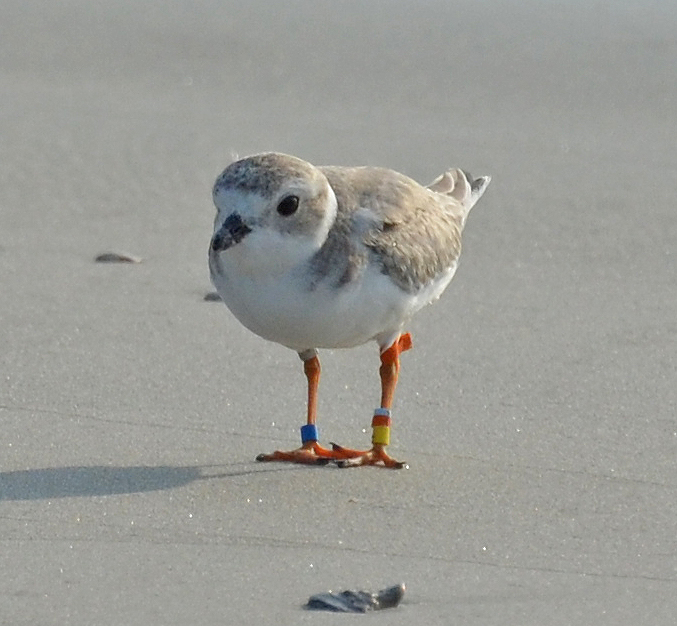
From his first moments on Earth, a tiny piping plover nicknamed Smalls required round-the-clock care. He had difficulty hatching, experienced issues with his umbilical cord, developed a crooked toe, and caregivers were concerned he may have eye problems. He also remained quite small for his age as the days and weeks went on. Those who cared for him did so with determination as they focused on his recovery and development. Despite his many physical setbacks, Smalls survived, and has become a symbol of the power and importance of one.

Smalls is a part of a Detroit Zoological Society (DZS)-led conservation effort and captive-rearing program that is focused on increasing the population of piping plovers, an endangered species of shorebirds. Abandoned eggs are delivered to the University of Michigan Biological Station in Pellston, Mich., and the DZS oversees field workers from the Detroit Zoo and other Association of Zoos and Aquarium institutions who staff the facility May through August, monitoring the incubation period and caring for the chicks after they hatch. Once they are able to fly after about four weeks, the birds – that would have otherwise perished – are banded and released into the wild. As they migrate to their wintering grounds, the plovers are identified by birders and photographers who report their findings to the U.S. Fish and Wildlife Service.

This summer, seven piping plover chicks were released from northern Michigan, and five have since been spotted by birders – one in South Carolina and four in Florida. DZS staff were especially thrilled to discover that Smalls was among those identified – he was photographed earlier this month by Pat and Doris Leary on a beach on Little Talbot Island in Florida. This tiny piping plover represents the importance of one and the DZS’s commitment to all the “ones” in its care, whether they are endangered or not. In Smalls’ case, being a part of an endangered species makes his significance even greater, since every individual is important to the recovery of Great Lakes piping plovers.

The Great Lakes population of piping plovers is now at 73 breeding pairs, setting a record of the highest number of wild pairs since the plovers were put on the endangered species list in 1985. The 207 captive-reared birds from the DZS program and their descendants have made a significant contribution to this small population.

For more information about the work being done by DZS and its collaborators, visit the Great Lakes Piping Plover Recovery Effort’s website, Facebook and Twitter.

Notes From the Field: Siamese Crocodile Hatchlings

Paul Buzzard, Ph.D., is the director of conservation for the Detroit Zoological Society.
We are very happy to report that 10 Siamese crocodiles recently hatched at the Detroit Zoo and will soon be released into the wild in Cambodia. The Siamese crocodile is one of the most endangered species of crocodile in the world, and was thought to be functionally extinct in the wild until the year 2000, when a small population was found in the highlands of southwest Cambodia. Now a total of around 250 Siamese crocodiles are believed to remain in three sub-populations. But it is still necessary to bolster the wild population so it can be sustainable into the future.

With Siamese crocodiles at zoos, there is sometimes a concern that there has been previous mating with other crocodile species, but genetic testing of the Siamese crocodiles at the Detroit Zoo confirmed that they are genetically pure and could be included in the Siamese Crocodile Species Survival Plan (SSP). An SSP is a program of the Association of Zoos and Aquariums, which strives to manage and conserve species populations in zoos and aquariums to ensure the sustainability of healthy, genetically diverse, and demographically diverse populations.

When suitable areas are available within the natural habitat of a species, individuals from SSP programs can sometimes be returned to the wild. The young crocodiles from the Detroit Zoo will be raised for several months by an adult crocodile pair at the St. Augustine Alligator Farm Zoological Park in Florida while permits are arranged for them to be released into protected areas of Cambodia.

– Dr. Paul Buzzard