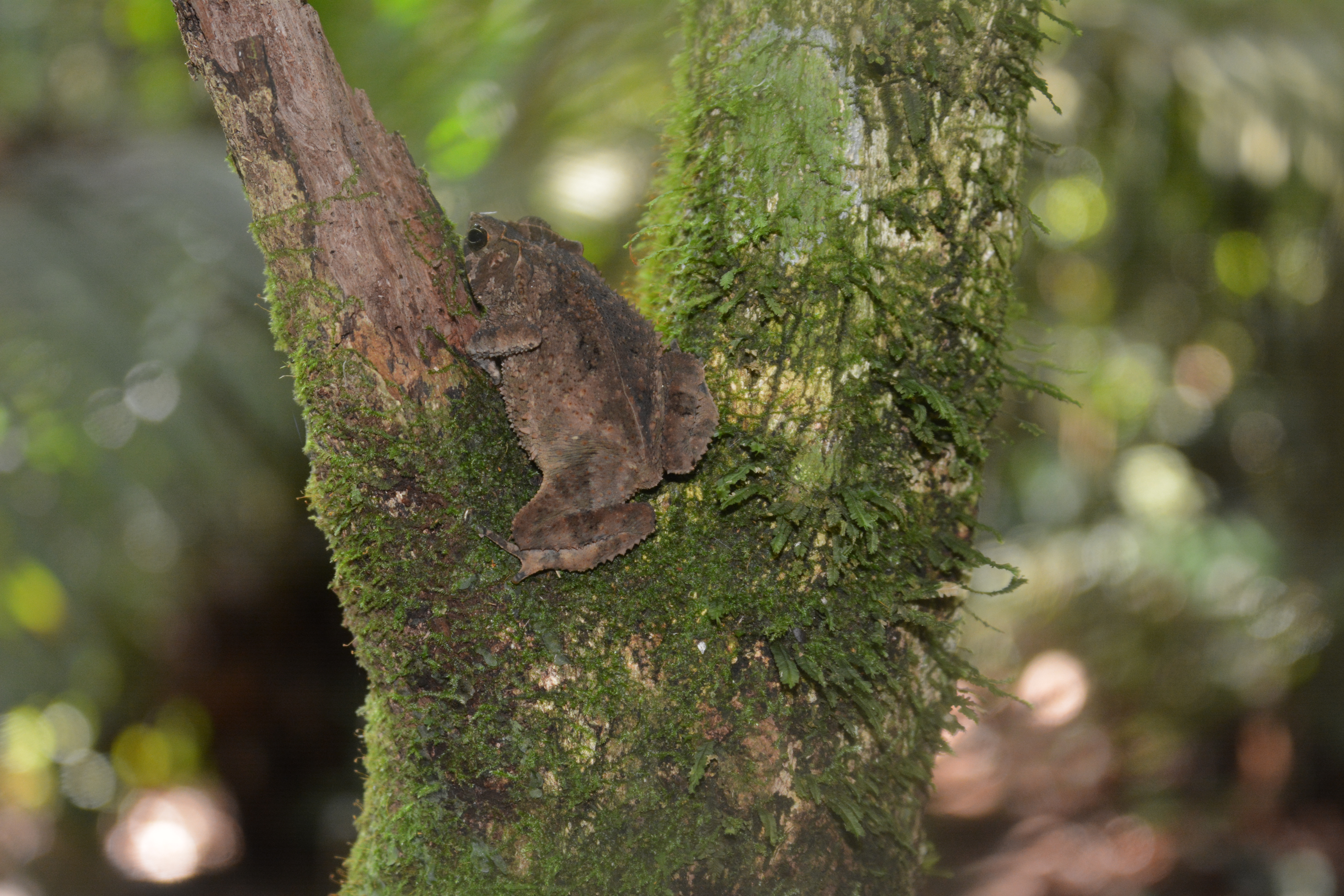
For the past few summers, I have traveled to Laramie, Wyoming for the Wyoming Toad Species Survival Plan (SSP) meeting, which is an effort by the Association of Zoos & Aquariums (AZA) to cooperatively manage species populations within accredited zoos and aquariums.
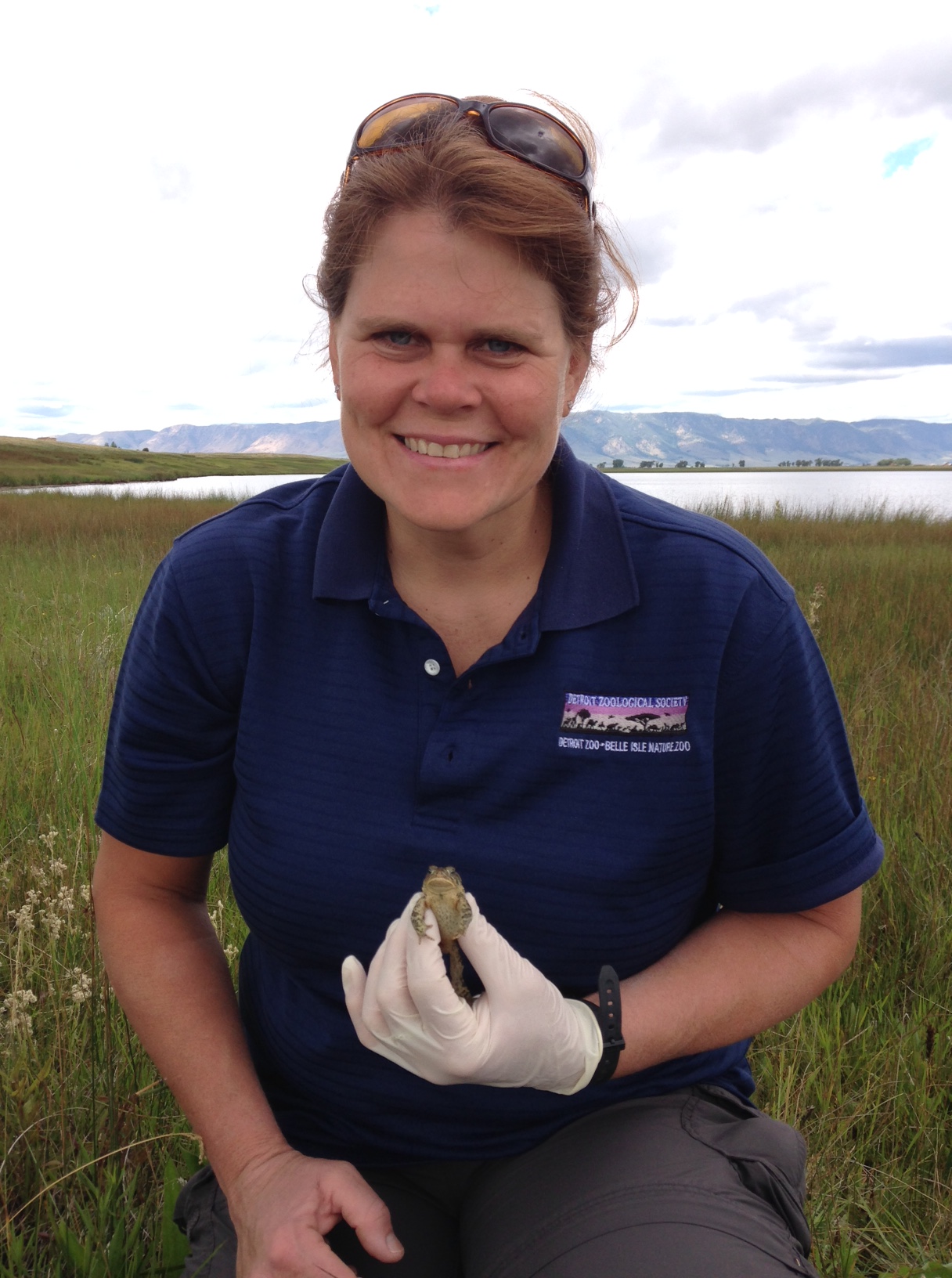
First, I fly into the Denver International Airport, which is followed by a 140-mile road trip to Laramie. The trip is full of spectacular views of mountains, canyons, vast plains, huge clouds and pronghorn antelopes. Sometimes I drive the distance alone but this year I made the trip with three colleagues from different zoos. Each of us is a representative for our respective institution, all sharing the same goal of saving one of North Americas most endangered amphibians, the Wyoming toad.
After a stop for groceries and gas, we arrived at our destination for the next five days – a cabin in this remote area of Wyoming. We’re joined there by most of the other members of the SSP – this year, 10 people stayed at the cabin. Most of us have known each other for some time, so sleeping together in a room full of triple-layered bunk beds seems like a week at camp with old pals. But it’s far more than summer camp – we take part in discussions and updates on a number of important topics such as husbandry, health, management, fieldwork and research on this toad.
The next morning, representatives from the U.S. Fish and Wildlife Service (USFWS) arrived along with the AZA SSP coordinator to begin the meetings. Besides the zoos and aquariums involved, there are two USFWS facilities in Wyoming that hold, breed and release the toads. Many important topics are discussed with the last being choosing captive breeding pairs for 2016.
The Detroit Zoological Society (DZS) breeds these critically endangered Wyoming toads at the National Amphibian Conservation Center (NACC). Since 2001, the DZS has released more than 6,500 Wyoming toads into the wild as tadpoles, toadlets and adults. In 2007, the Detroit Zoo earned the highest honor on the AZA’s list of the Top 10 wildlife conservation success stories for that year.
The population of toads is maintained in special bio-secure off-exhibit rooms of the NACC. We have enough room to breed four pairings each year, and any tadpoles produced by the pairings are shipped out to Wyoming for release into protected wetlands in efforts to create self-sustaining populations.
Like each of the organizations present, I brought detailed notes on every adult toad in our resident population so that the best pairs could be chosen. Captive Wyoming toads need to be of ideal weight and health to take part in a month-long hibernation, followed by a June breeding event. Through the AZA, there is an identified “studbook keeper” who matches toads pairs that are least related and most likely to produce offspring that will be the most genetically fit.
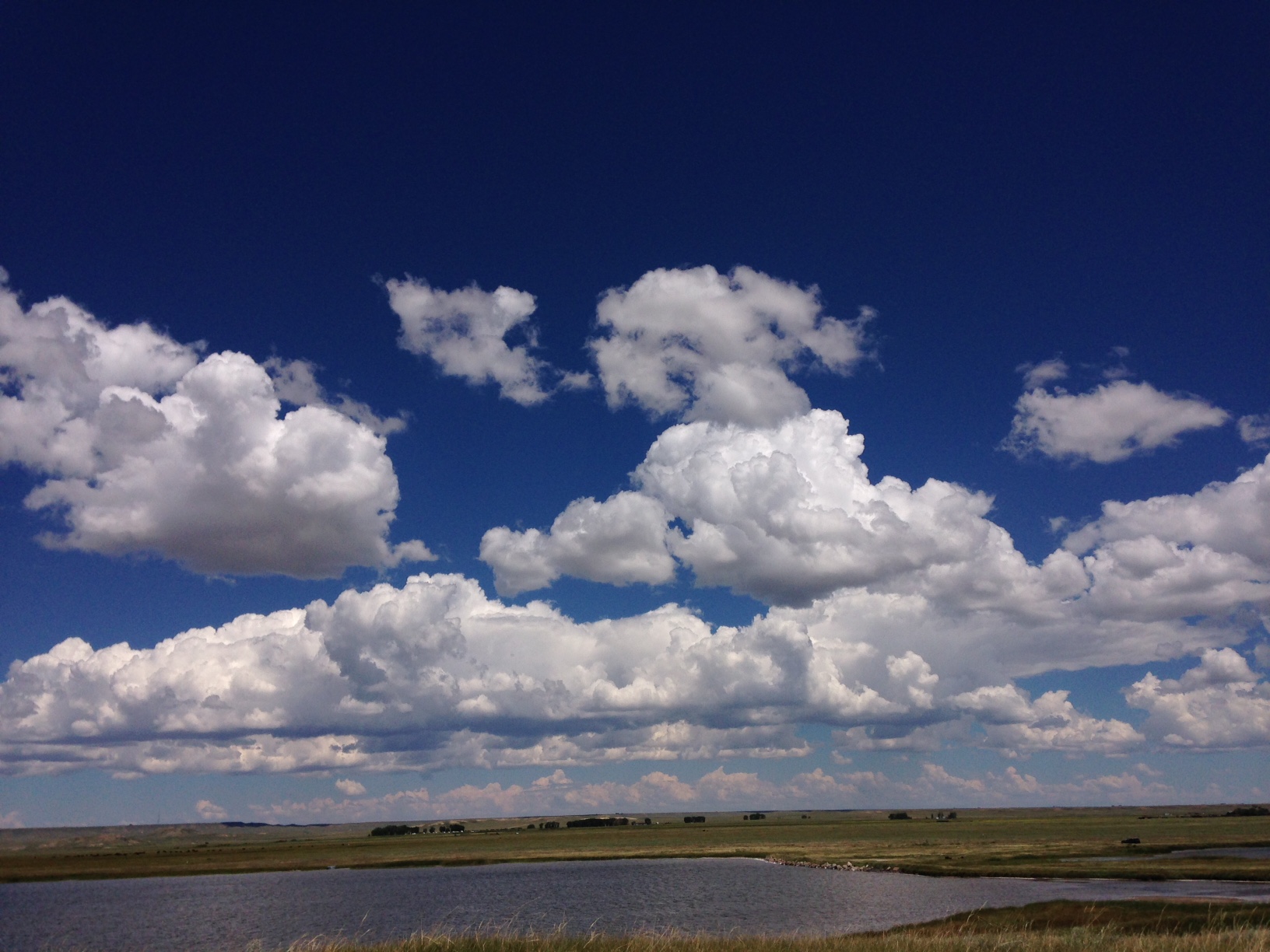
On the second day in Laramie, we received training for the USFWS field surveys. Field surveys are done three times during the warmer months of the year around Mortenson Lake. This lake is the last known area the Wyoming toad lived before it was removed from the wild to protect the species from extinction. It is also the site of past and present releases of captive-produced tadpoles and toadlets. Present-day releases are more protected and provide several topics for research. Members of the SSP have been assisting with the mid-summer field surveys for more than five years and the training is just the beginning of a two- to three-day process to see how many Wyoming toads can be found around the lake.
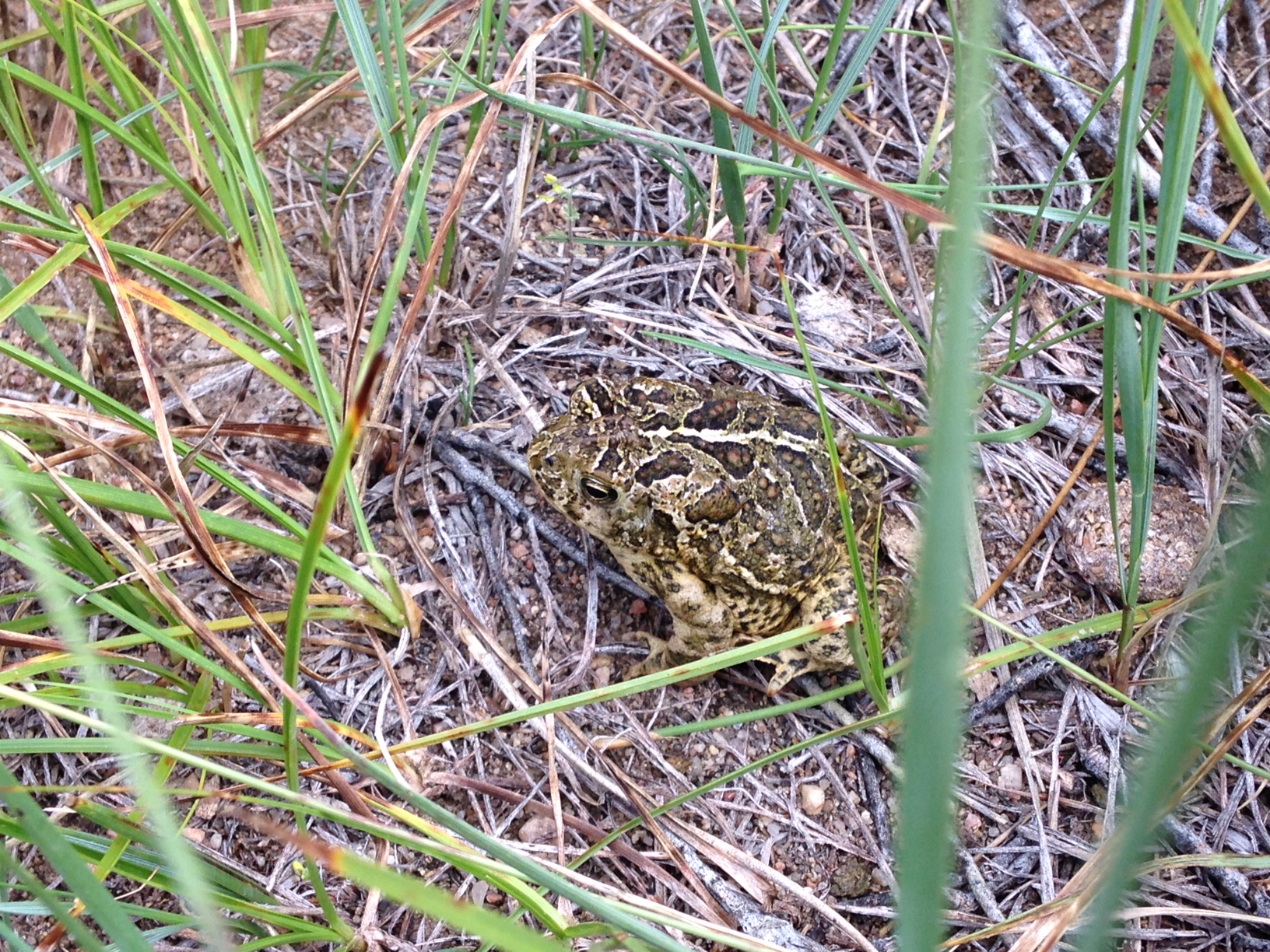
The third and fourth day of my stay is spent almost entirely out in the field surveying for toads around the lake. Teams of two or three people carry backpacks full of equipment for data collection. Each plot must be surveyed in a specific allotted amount of time and by walking in an S-shaped pattern. Toads can be found hiding under grass, sitting on hard-packed sandy areas or swimming near the shore of the lake. If a toad is located, the timer is stopped, and data collection starts. Toads are photographed for identification, weighed, swabbed for disease testing and, if large enough, “microchipped”. It is particularly exciting when an older toad or a toad with an existing microchip is found. This usually means the toad has survived one or more very cold winters and may potentially breed in the lake.
Weeks later, back at the Detroit Zoo, I receive the compiled results of the survey. This year, we located and collected data on 224 toads – 129 toadlets that were captive-born and released into the lake this spring; 29 toads that were captive-born, released last year and survived the winter; 33 adult females and 33 adult males. Until next July, go toads!
– Rebecca Johnson is the associate curator of amphibians for the Detroit Zoological Society.
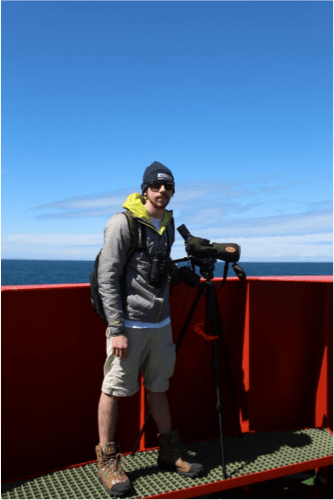
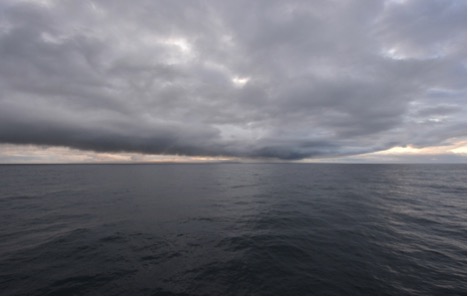
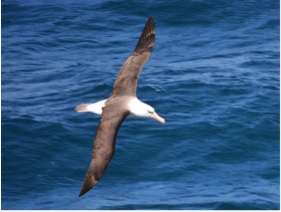 We are just passing the tip of South America, headed for the Drake Passage. Wish us luck and calm seas! The next time I report back, we should be on land at the Palmer Station.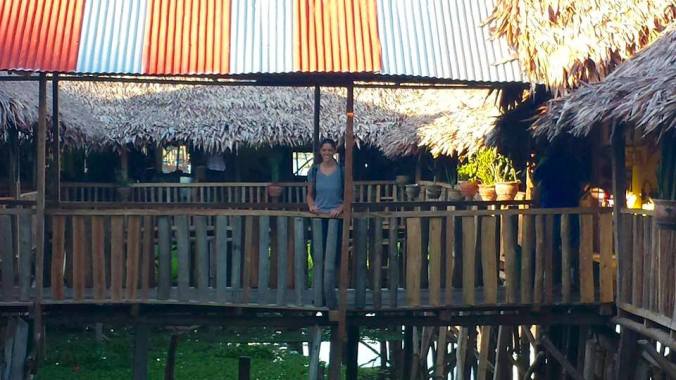
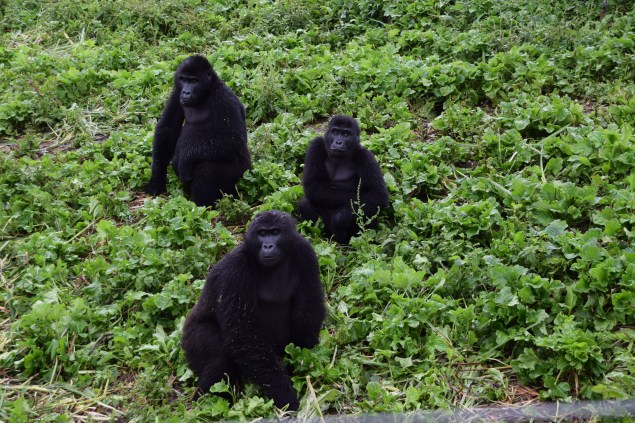 GRACE is the world’s only facility that cares for highly endangered Grauer’s gorillas (Gorilla beringei graueri) that have been rescued by wildlife authorities after being illegally captured by poachers and traders. Grauer’s gorillas are endemic to this region and only 5,000 remain in the wild. There are currently 14 gorillas being cared for at GRACE, ranging from 3-14 years of age. At GRACE, a dedicated Congolese staff provides daily care, including a diet that includes local fruits and vegetation training for important animal management behaviors and treatment for medical problems. Caretakers also monitor the group while they enjoy a 24-acre forest, which is the largest gorilla enclosure in the world. The Detroit Zoo entered into partnership with GRACE in 2014, and as the Chair of GRACE’s Board, Detroit Zoological Society CEO and Executive Director Ron Kagan has provided and facilitated important support to the project. Most recently, he secured funding for a new night house enclosure that is currently under construction.
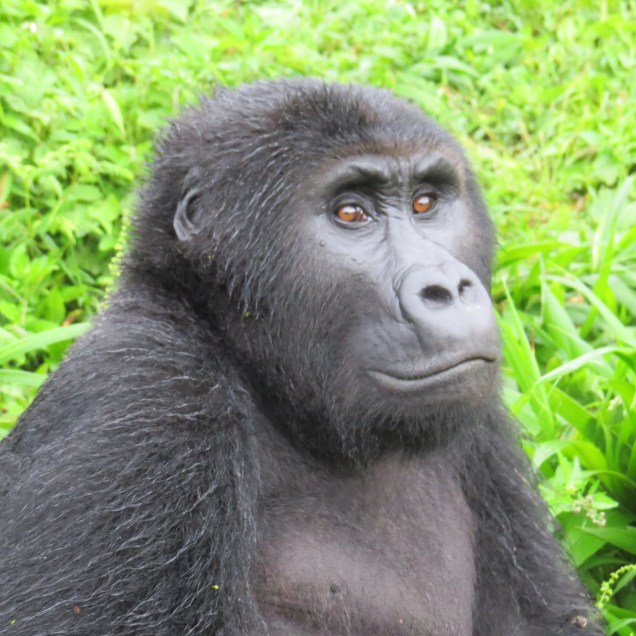 I traveled to the Congo with three staff members from Disney’s Animal Kingdom, including a veterinarian who led the team, a veterinary technician and a husbandry expert. Our goal for the eight days at GRACE was to perform examinations on 12 of the 14 gorillas – this has never been done before anywhere in the world, and it was important that we do all we could during these exams to learn about the health problems they may face.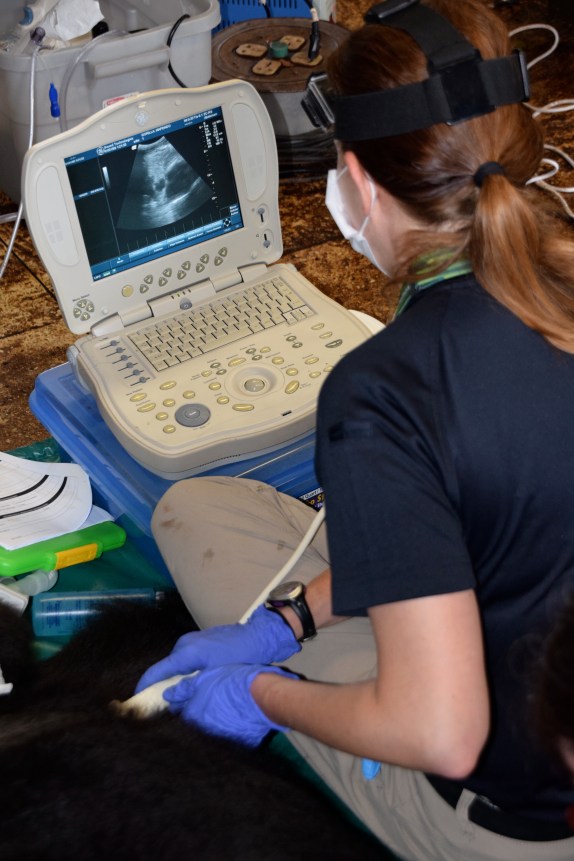
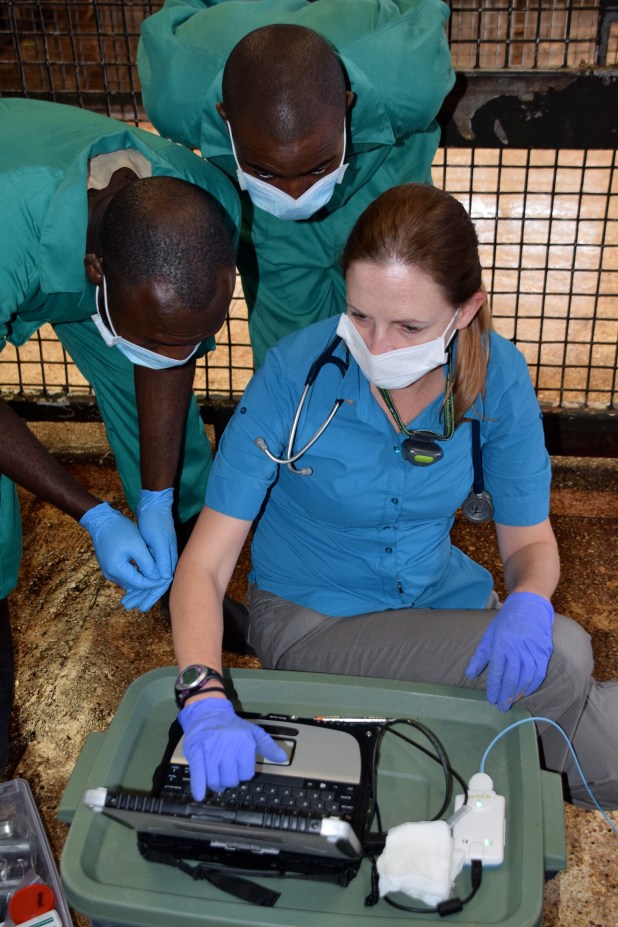
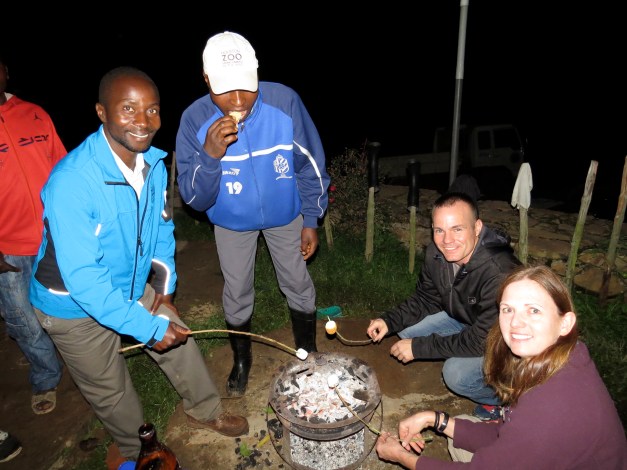 I am very thankful to the Detroit Zoological Society for providing me with the opportunity to travel to the Congo, and honored to be able to serve the people and gorillas of GRACE.

 Detroit Zoological Society Blog