Preventing Pollution? Rain Gardens are a Solution

An average annual rainfall for Michigan is more than 31 inches, which equates to more than 52 million gallons of rainwater per year. That much rainwater can severely damage downspouts and create pollution. A rain garden is an environmentally friendly and attractive way to filter and return storm water runoff from surfaces such as sidewalks and roof tops, while protecting our groundwater and waterways. They can be created on your own property using just a few steps – ultimately minimizing the pollution that emerges from the rainwater gushing out of downspouts.
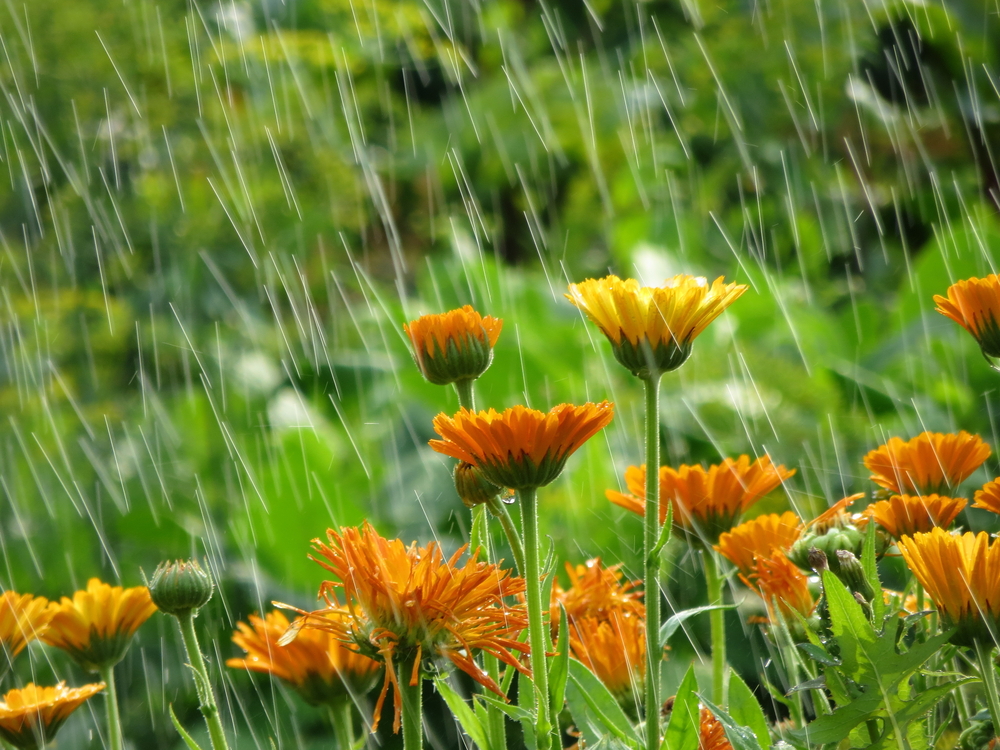
First, determine if you have a suitable site for a rain garden. The ideal spot is one that is:

  • Fed by only one or two downspouts
  • Far from a septic tank, drain field, or wellhead
  • Free from trees

Next, follow these easy steps:

  • Find an outdoor space that can absorb water, ranging from 100 to 400 square feet. A rain garden should be about 20 percent the size of the roof, patio or pavement area draining into it.
  • If there are trees in the area, make sure they can handle wet soil conditions for lengthy periods of time to ensure that your rain garden is set up for success.
  • Remove the grass and dig a hole at least 2 feet deep.
  • Lay an inlet pipe used for catching the storm water. These small pipes can be purchased at any hardware store for under $20.
  • Add native vegetation, and you’re all set!
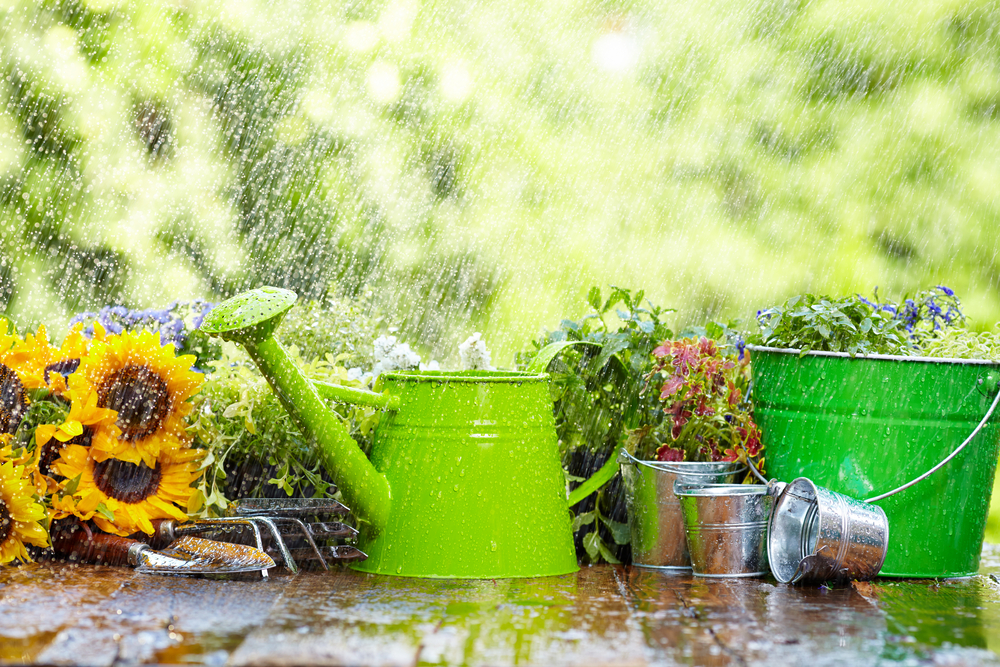
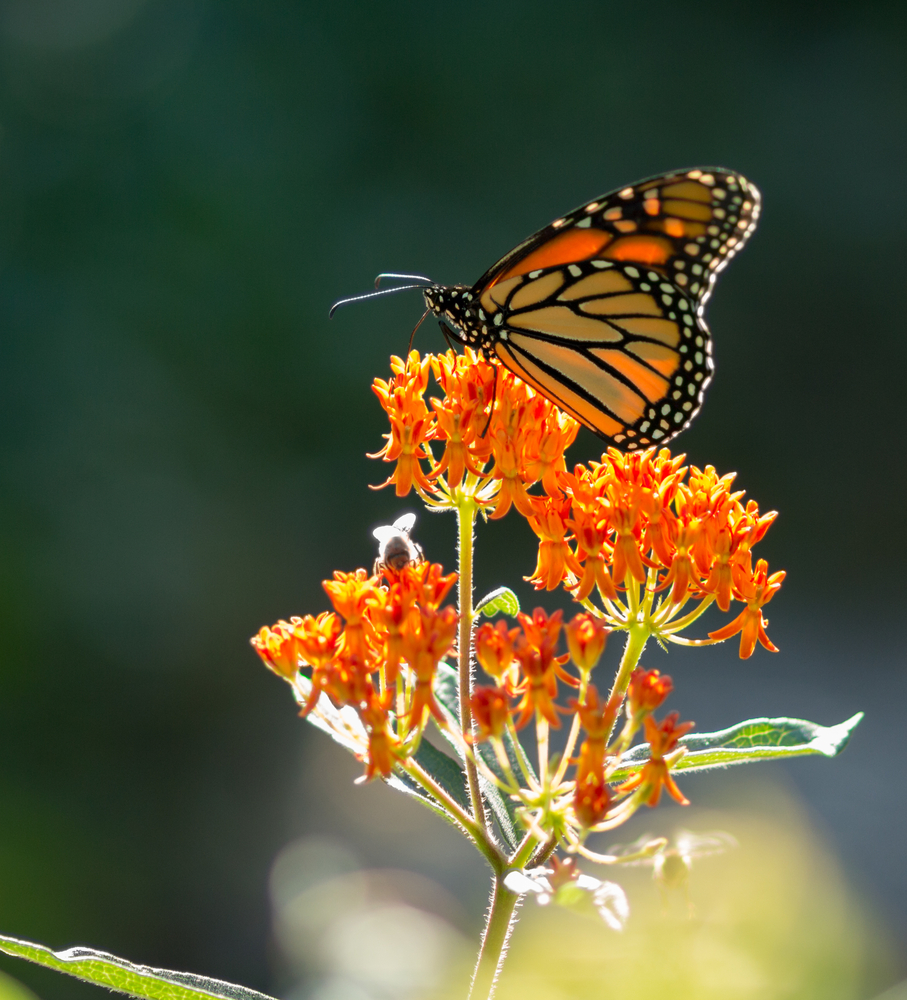
The benefits of rain gardens are tremendous. In addition to being aesthetically pleasing, they are easy to maintain and improve water quality by filtering out pollutants. And perhaps the most magnificent benefit is that they attract wildlife such as birds, butterflies and insects who use the plants as a food source.
The Detroit Zoological Society (DZS) is working to protect storm water on the grounds of the Detroit Zoo and Belle Isle Nature Center. We built a rain garden near the Ford Education Center, which collects rain water from the roof of the 38,000-square-foot building and is maintained throughout the entire year, incorporating native Michigan plant species. The downspouts drain into the garden through a pervious pipe located 3 feet below the surface. We’re in the midst of creating a second rain garden near American Coney Island. Native, drought-resistant plants have already been planted and we plan to build a mock house with gutters and rain barrels. Signage will educate guests about how they can incorporate rainwater collection and rain gardens at their homes. In addition, we have incorporated permeable pavement within parking lots and public walkways, which also reduces storm water runoff and improves water quality by filtering out pollutants.

We all have an impact on the planet – projects like these are simple steps we can take to make sure it is a positive one.

Humane Education: A Picture is Worth a Thousand Words

A selfie or photo with an exotic animal may take only a second to snap and it may even win you a few “likes” on social media, but if you could see the world through the eyes of that animal, you probably wouldn’t want to take the picture. Animals who are taken from the wild or are bred in captivity to become tourist attractions in unaccredited roadside or traveling zoos are often kept chained, isolated, fed inadequate diets, denied veterinary care and/or drugged – for their entire life. The main concern for the individuals and companies who keep these animals isn’t animal well-being but rather, the bottom line.

The good news is that people are becoming more aware of the reality of these situations. In late 2016, for example, TripAdvisor made the decision to stop selling tickets for elephant rides, swim-with-dolphin experiences and attractions that allow people to pet tigers and other exotic animals. This was the result of a campaign launched by World Animal Protection showing that these animal tourist attractions cause psychological and physical trauma, shorten the animals’ lives and also result in even more animals being taken from the wild.

In December of 2017, Instagram began notifying people of potential behind-the-scenes animal abuse for a wide range of wildlife hashtags. If you search for “#slothselfie”, for example, a message will pop up that states, “Animal abuse and the sale of endangered animals or their parts is not allowed on Instagram. You are searching for a hashtag that may be associated with posts that encourage harmful behavior to animals or the environment.” You then have the option to be routed to their website to learn more about wildlife exploitation.

In October of 2017, World Animal Protection launched the Wildlife Selfie Code campaign, asking people to commit to taking “cruelty-free selfies” in the Amazon rainforest. They’re asking people to take a pledge on their website to “help filter wildlife cruelty out of tourism, and make sure your voice is heard”. Again, this is another opportunity for us to further spread awareness of the reality behind these animal tourist attractions.

These animal photo ops are often thought of as things that happen abroad. You might be surprised to learn that these incidents occur in the Metro Detroit area as well. Just this summer, a local festival announced that they were planning to have tigers at their event, offering photo opportunities. After significant pressure from the public, they decided to forego the tiger attraction. This is a great reminder that we shouldn’t be afraid to speak up! Collectively, our voices and actions truly do make a difference.

The next time you see an animal being forced to perform or interact with people, ask yourself:

  • What does a day in the life of this animal look like?
  • What happens to the animal when he/she isn’t being shown?
  • Where did this animal come from originally?
  • How does he/she live? What does he/she do?
  • What is their circadian rhythm (the natural daily cycles we experience that affect our physiology and behavior)? Is it normal for them to be out at this time of day?
  • What is the lifetime care plan for this animal?
  • What is his/her ability to choose? Is the animal participating because he/she wants to?
  • What does the world look like from the animal’s perspective? Try to imagine the experience through their eyes, ears and nose.

Always remember to take photos of wildlife from a distance, without disturbing them, in their natural habitat. If ever you have concerns about the well-being an animal that you encounter being forced to perform or interact with people, document what you see and report the situation to the appropriate authorities. Together, we can make a positive difference in the lives animals.

– Lisa Forzley is the curator of humane education for the Detroit Zoological Society and oversees the Berman Academy for Humane Education.

At First Light: Meeting Sweet Baby Jane

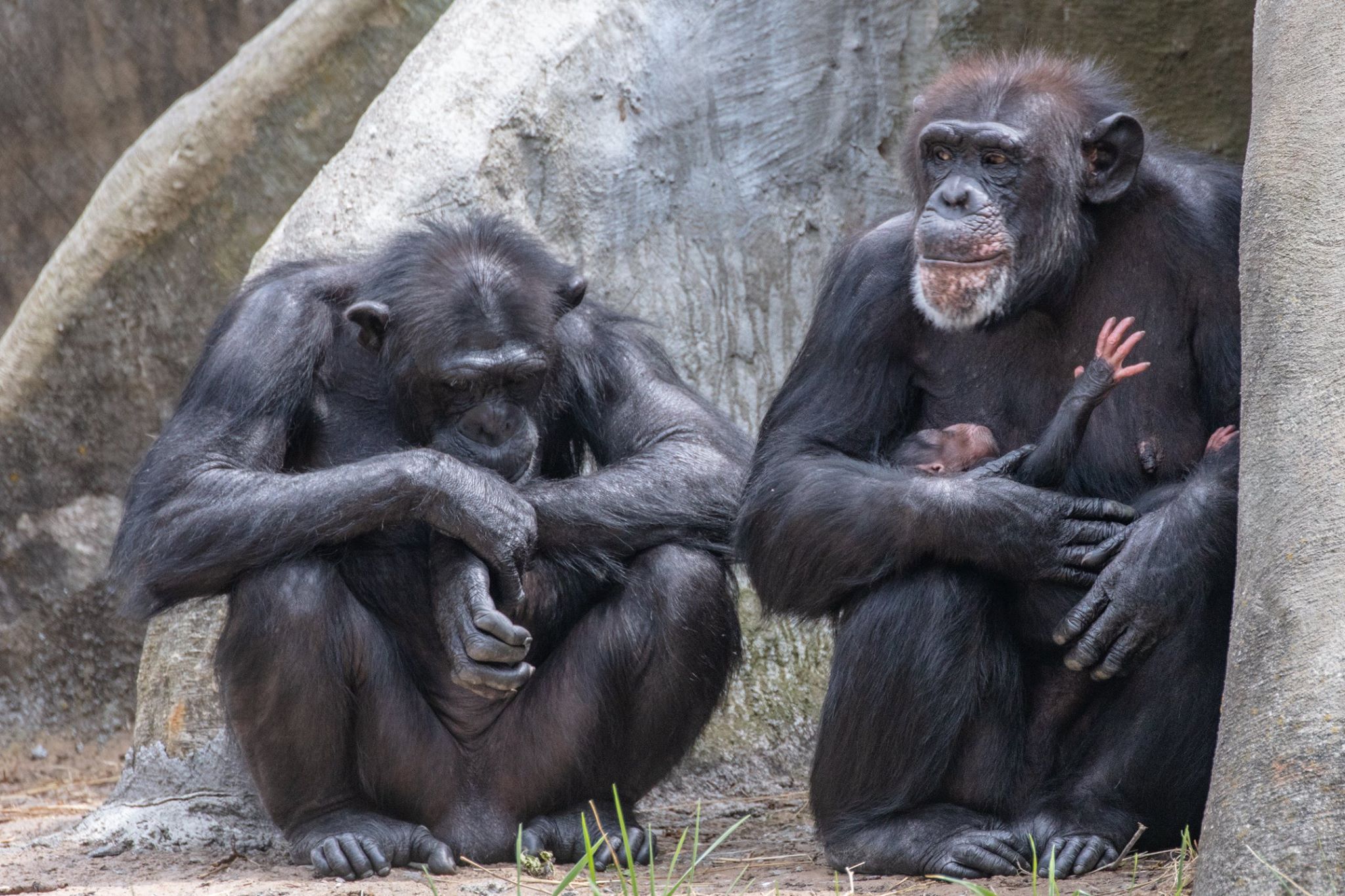
As the lights gradually came on at sunrise behind the scenes at the Detroit Zoo’s Great Apes of Harambee on Saturday, July 14, 34-year-old chimpanzee Abby made her way over to the mesh that separates the neighboring stall. She knocked on the door and vocalized to the other chimpanzees, who were slowly starting to wake up. Curious chimps approached the mesh to greet Abby, and as they looked, they could see a tiny newborn chimpanzee in her arms. Abby greeted her friends and showed them her baby while keeping a safe distance to protect her from any inquisitive poking fingers.

The little one was born just after midnight on what was coincidentally the first World Chimpanzee Day. She was named “Jane” after legendary primatologist and anthropologist Dr. Jane Goodall, in honor of the anniversary of her first visit to what is now Gombe Stream National Park in Tanzania to study the social interactions of wild chimpanzees.

During the first few days, Abby remained separated from the rest of the chimpanzee troop to allow her to rest and bond with Jane and for Detroit Zoological Society (DZS) staff to monitor them. While Abby is an experienced mother, having given birth to daughter Chiana 24 years ago (who is a mother herself to 4-year-old Zuhura) it is important for staff to observe a chimpanzee mother and her infant. DZS staff immediately began documenting the frequency that Jane nurses, which should be in short durations every 60-100 minutes. They’ve also been recording maternal behaviors – some of which are simply adorable, such as when Abby holds up her baby, looks at her and then hugs her to her chest. Animal care staff are cautious to not disturb Abby as they make their observations, sitting quietly in the aisle of their holding area with mesh in between them. In those first few days, with Jane sleeping soundly on her mother’s chest between nursings, Abby’s tired eyes would grow heavy and she’d gently give Jane a few comforting pats on her back before falling asleep herself.

Jane’s grip grows stronger each day. She is now holding on tightly to her mom’s chest with both hands and feet, only occasionally needing a little extra support. After a few days of observations, staff determined that Abby and Jane were ready to move to the dayroom of the indoor habitat and meet some of the other chimpanzees. Abby greeted her friends Trixi and Tanya and began to groom with them by the windows while Jane slept in her arms. Abby denied Tanya’s request to touch Jane’s hand, so Tanya settled with looking closely at Jane while she made her nest nearby.

Over the next few days, Abby was reunited with the remaining chimpanzee troop members, including Jane’s father, Imara. They had a chance to see – and try to touch – Jane for the first time. Some were curious, including youngsters Ajua and Akira, who stared in apparent amazement and couldn’t take their eyes off of little Jane, while others such as Nyani barely seemed to notice the infant. Formerly the youngest of the group, Zuhura, almost 5, appeared unsure of what to think of Jane. Zuhura followed Abby everywhere in demand of the attention of her grandmother and curiously wanting to see Jane. Zuhura would repeatedly – and gently – reach out to touch Jane, but Abby would turn away and hold onto the little one tightly while trying to distract Zuhura with some playful tickles. With all 11 of the chimpanzees now together, they often are seen eagerly grooming in the sunlight by the windows, a way that chimpanzees maintain positive relationships with one another.

Abby and Jane ventured into their outdoor habitat for the first time just shy of Jane’s 2-week-old mark. Dad Imara escorted his family on a few investigative laps around the habitat before Abby decided it was time to lay down and rest again. With plenty of space, Abby has yet to identify a preferred spot to rest with Jane, but she can often be seen in and below the trees, as well as at the windows looking into the public viewing area.

It’s difficult to believe since she is still so tiny, but Jane has grown quite a bit in these last few weeks and is hitting all of her development milestones. After three weeks, Jane is awake more often and starting to look around and focus on her surroundings. She has been holding on to Abby’s chest tightly, rarely needing the support of her mother’s hand on her back, and can pull herself up and push with her legs to adjust her position if she is hungry. Although Jane will still appear small as the weeks go on, she will be making strides in her growth and development. We are all eager to watch her continue to grow and for her personality to begin to shine.

– Melissa Thueme is a mammal supervisor for the Detroit Zoological Society.

Veterinary Care: Baby Jane’s Prenatal Check-ups

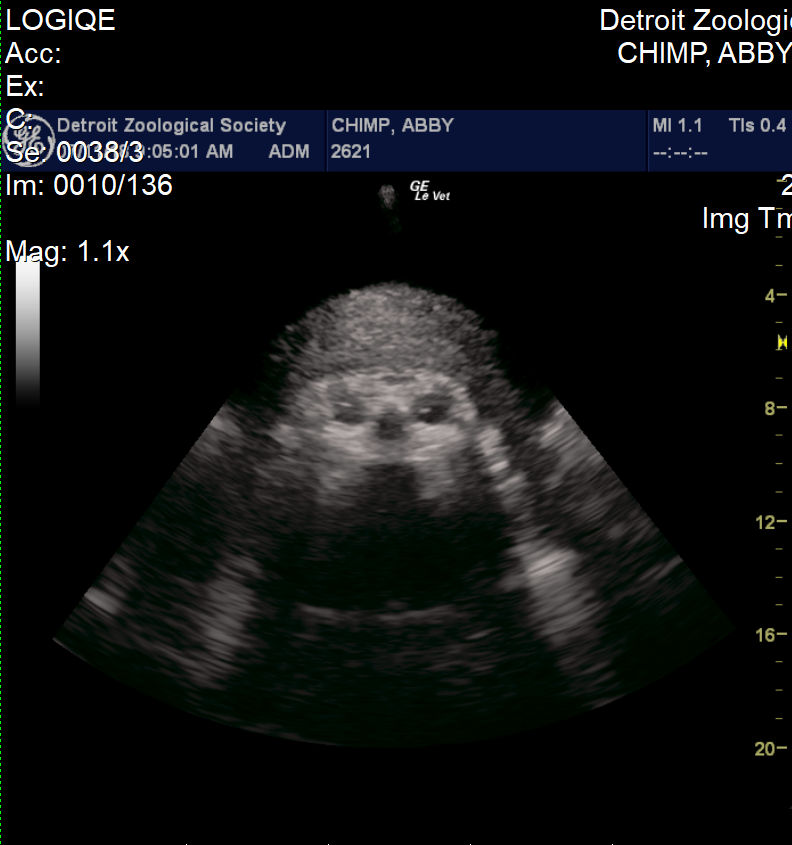
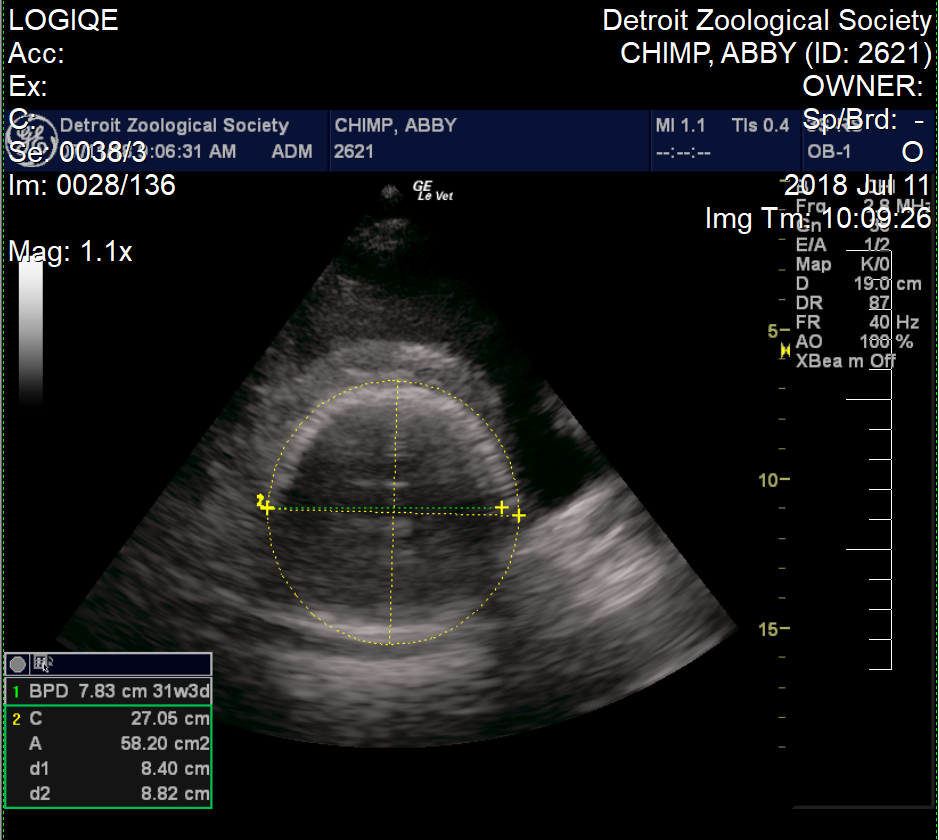
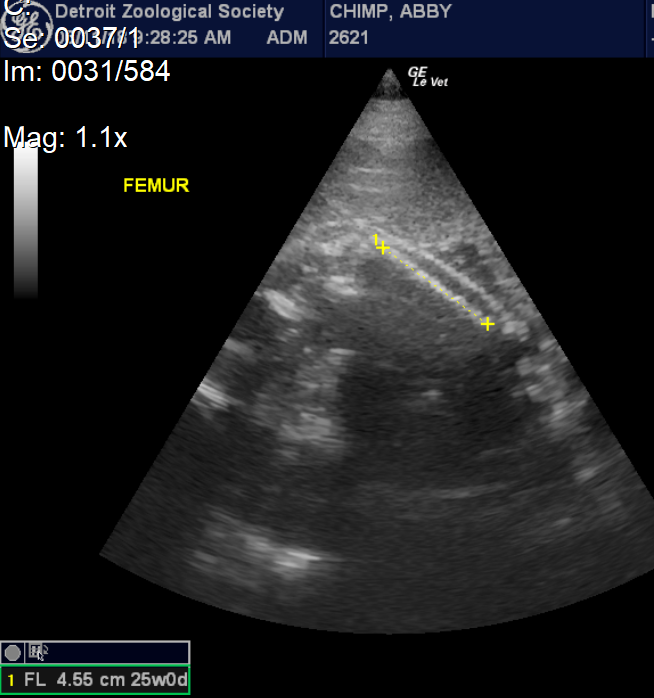
While newborn photos of a female baby chimpanzee have gone viral on our social media accounts, they weren’t the first images taken of little Jane. During mom Abby’s 33-week pregnancy, Detroit Zoological Society staff performed eight ultrasounds of the baby, who is named after legendary primatologist and anthropologist Dr. Jane Goodall.

Staff works diligently with the great apes who live at the Detroit Zoo to develop behaviors that allow us to monitor their health. The gorillas and chimpanzees open their mouths to let us look at their teeth, show us their hands and feet and lean against the mesh to allow the administration of vaccines. Most of the chimpanzees will press their chests toward the mesh so we can take images of their hearts with an ultrasound probe.  Abby quickly learned to position herself and allow us to put the probe on her belly so that we could monitor her growing fetus. After a few practice sessions, we invited an OB (obstetrical) ultrasound technician to the Zoo to take the standard measurements collected during pregnancy in human women.

Abby was a cooperative patient and always appeared excited to see us. She would prop herself on a ledge and eat peanuts during each exam, allowing the peanut shells to pile up on her growing belly.  There are limits to the ways we can position the probe, and we were not always able to get every measurement at every visit. In the early months, we were able to measure the length of the fetus from the crown to the rump; as the baby grew, we measured the circumference of the head and abdomen and length of the long bones, including the femur and humerus. We were also able to see the position of the fetus and measure the heart rate. With each exam, we added data to our growth charts, and were pleased to see steady growth and development. We also became increasingly confident that the baby was a girl.

Abby is the third chimpanzee mom that has allowed us to conduct obstetrical ultrasounds, and since 2008 we have been able to collect measurements from three pregnancies, including youngsters Ajua and Akira. Using these measurements and data from two scientific publications, we were able to make a solid prediction of Abby’s due date – July 14, the date of the first annual World Chimpanzee Day! As this date approached, animal care staff began round-the-clock checks to look for signs of labor. Just three days before the due date, we performed a final ultrasound exam. We were pleased to see that the baby was still growing according to expectations. We could see her face and watch her open and close her mouth and wiggle her arms and legs. Most importantly, we could see that the baby had a strong heartbeat and was positioned with her head down, which is the correct position for a normal delivery.

Anyone who has anticipated the delivery of a baby knows that due dates are not an exact science. But Abby delivered her baby at 12:01 a.m. on July 14, one minute into the day predicted as her due date, and the delivery was without complication. Being able to monitor babies during pregnancy allows us to prepare for any issues that might arise, and to intervene if needed. Abby is a wonderful mom, and is taking good care of Jane. She seemed excited to show off her new baby to the other chimpanzees, and held her against the window for everyone to see. We look forward to watching her grow and thrive in her habitat at the Great Apes of Harambee.

– Dr. Ann Duncan is the director of animal health for the Detroit Zoological Society and oversees the Ruth Roby Glancy Animal Health Complex.

Notes from the Field: Protecting Michigan’s Only True Venomous Snake

Michigan is the last stronghold for the massasauga rattlesnake – even though the species was listed as Threatened by the U.S. Fish and Wildlife Service, there are still several healthy populations throughout the state. The Detroit Zoological Society oversees the Species Survival Plan for this animal through the Association of Zoos and Aquariums (AZA). These comprehensive population management plans work to ensure the sustainability of healthy, genetically diverse and demographically varied captive animal populations.

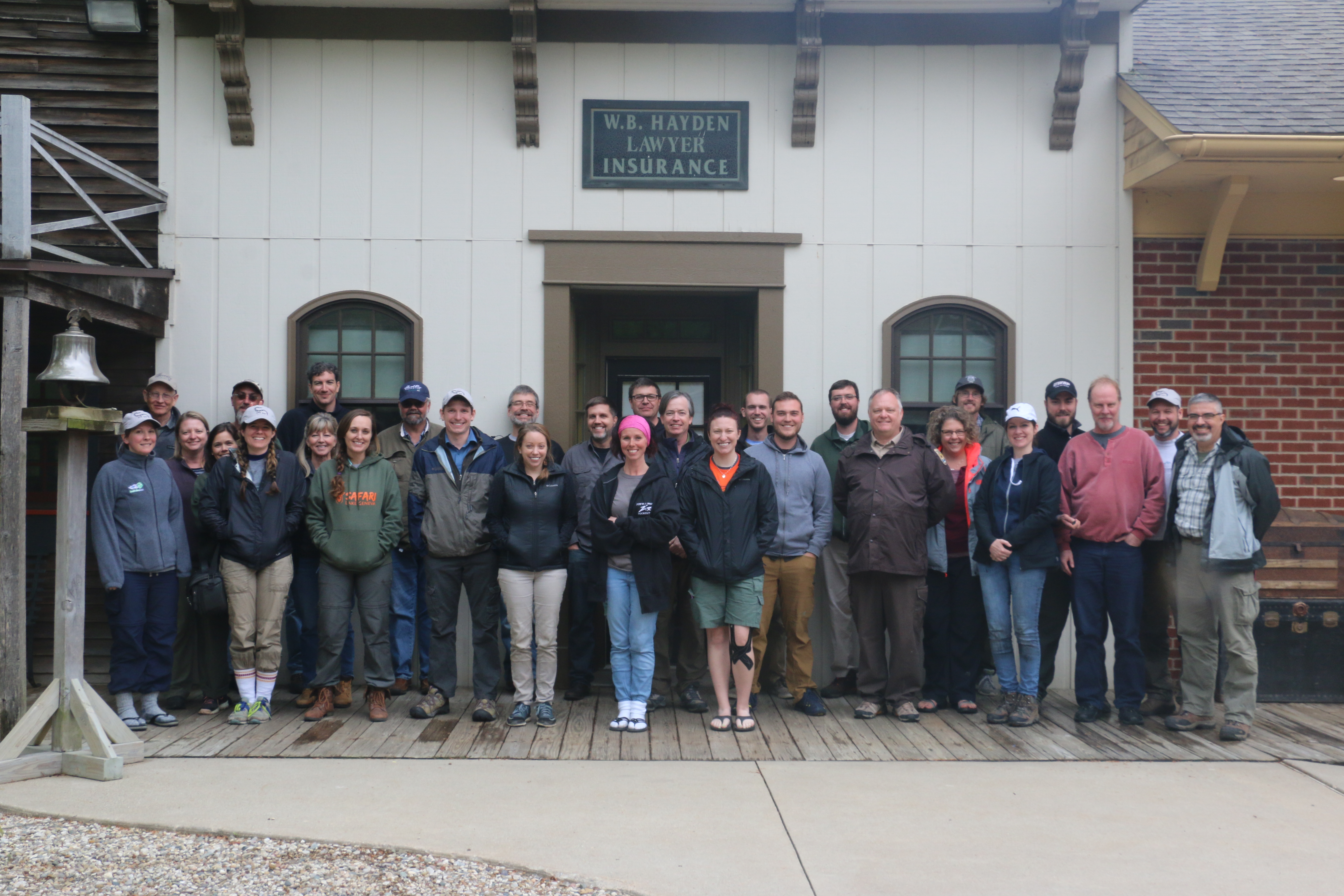
The DZS and other facilities have participated in an ongoing research study at the Edward Lowe Foundation in Cassopolis, Mich., for the past 10 years. Recently, a team from the Detroit Zoological Society, which also included Jeff Jundt, curator of reptiles, and Dr. Wynona Shellabarger, a veterinarian for the Ruth Roby Glancy Animal Health Complex at the Detroit Zoo, participated in the 2018 Eastern Massassauga Rattlesnake Species Survival Plan annual meeting and conducted fieldwork in western Michigan.

This fieldwork consists of spending up to eight hours a day searching for snakes in their native habitat. When one is found, it is sent to a lab on grounds for a physical, which includes being weighed, measured, photographed, sexed, tagged with what is called a passive integrated transponder – if it didn’t have one already – and having blood collected. If the snake is female, it’s given an ultrasound to determine if she’s pregnant. Photographs of any distinct markings as well as the transponder can identify an animal throughout their life if they are located again. GPS data allows the snake to be returned to the exact spot where it was found earlier in the day.

All of the information gathered throughout the week helps draw a picture of the natural history of this species, guide best practices for the land management of the Edward Lowe Foundation and gauge the overall health of the individuals and the population. This year, even though the weather was not as cooperative as past years, the group was able to locate and conduct physicals on 36 snakes, 14 of which were new to the study. The DZS plans to continue leading this important research for years to come. To stay up to date on all things massasauga rattlesnake-related, follow the Species Survival Plan on Facebook.

Also, please join us as we celebrate all things that slither on World Snake Day, Monday July 16, in the Detroit Zoo’s Holden Reptile Conservation Center.

– Rae Karpinski is a reptile zookeeper for the Detroit Zoological Society.

Education: Teachers Line Up for Summer Institute at the Detroit Zoo

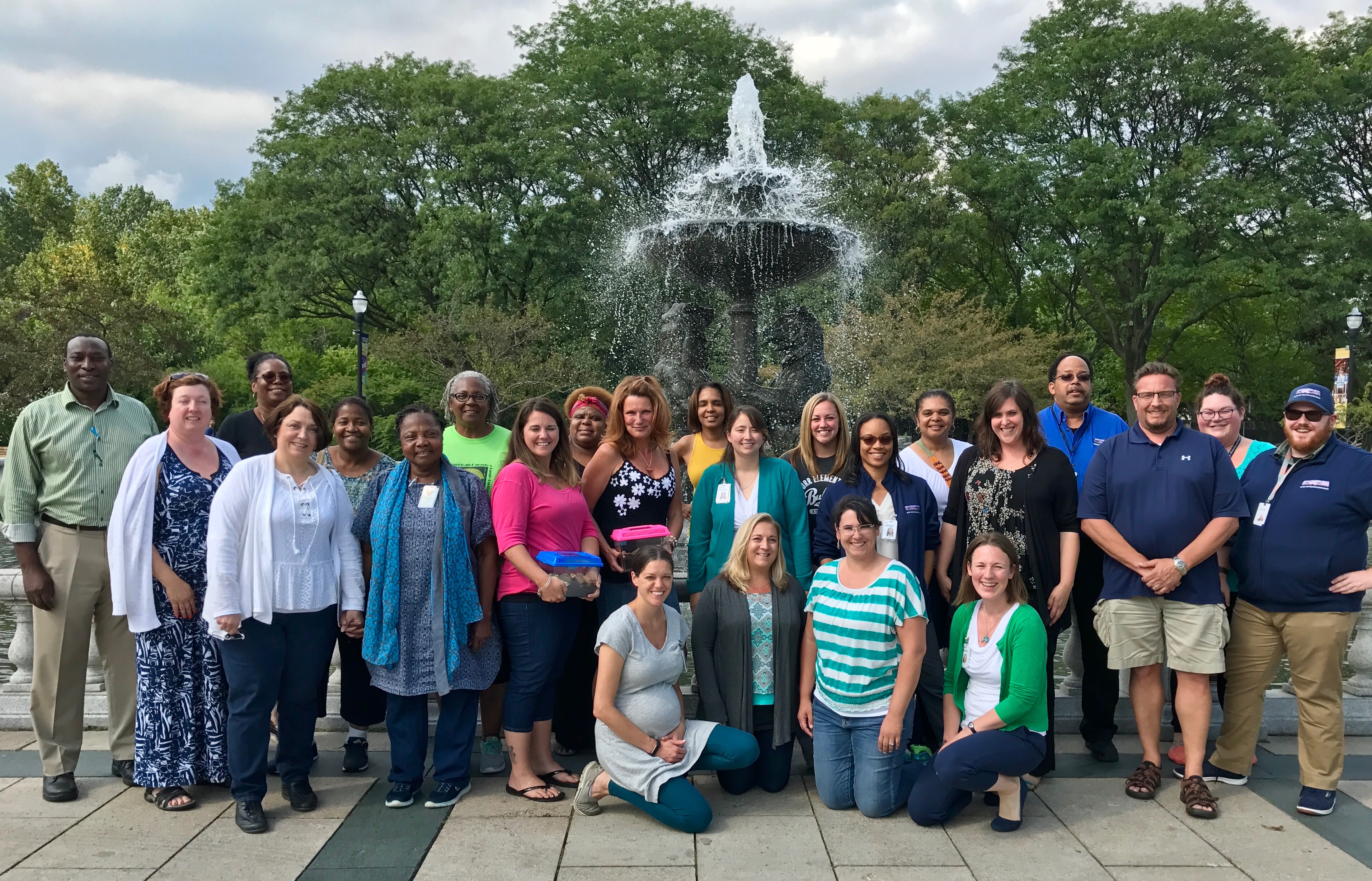
The Detroit Zoological Society (DZS) annually hosts a Summer Teacher Institute where groups of dedicated educators spend six days at the Detroit Zoo, revitalizing their teaching methods and building a diverse professional network at the wildest place in town.

The DZS education team will once again be joined this summer by Rebecca Dyasi, a national expert in inquiry-based learning and a master of science concepts and content, to co-facilitate the two-week workshop. Rebecca challenges workshop participants to ask questions, make observations and verbalize their learning experience before helping them connect what they’re doing to state-mandated curriculum. The teachers have an opportunity to be learners, novices, experts and mentors all during the same workshop.

Last year, workshop participants planned and conducted investigations on plants, pollinators, animal behavior, the properties of water and more. Each discovery led to more questions and excitement as participants explored the Zoo’s 125 acres and collected data. Small groups of teachers worked together to analyze their data and share results through short presentations, reinforcing what they learned and experienced.

After the workshop, the network of educators can stay in contact through webinars and in-person gatherings. Having a community of professionals to support each other through the challenges of transitioning from a traditional classroom model to one that is more student-driven greatly increases the success rate. Last year, many of the teachers continued to work with the DZS education team and brought their students to the Zoo for a Learning Lab and Zoo experience in the fall and winter, capitalizing on a time when crowds are lower and animals are often more active.

The 2018 institute will be held July 24-26 and July 31-August 2. Space is limited; for more information or to register, click here.

– Claire Lannoye-Hall is a curator of education for the Detroit Zoological Society.

Be Green by Eating Clean

There are many simple ways you can turn your lifestyle into a more environmentally friendly one, right down to the food you eat. But eating clean is about more than just buying and consuming fruits and vegetables. It’s about finding the food that is beneficial to both our bodies and the environment.

Take a look at some clean-eating tips:

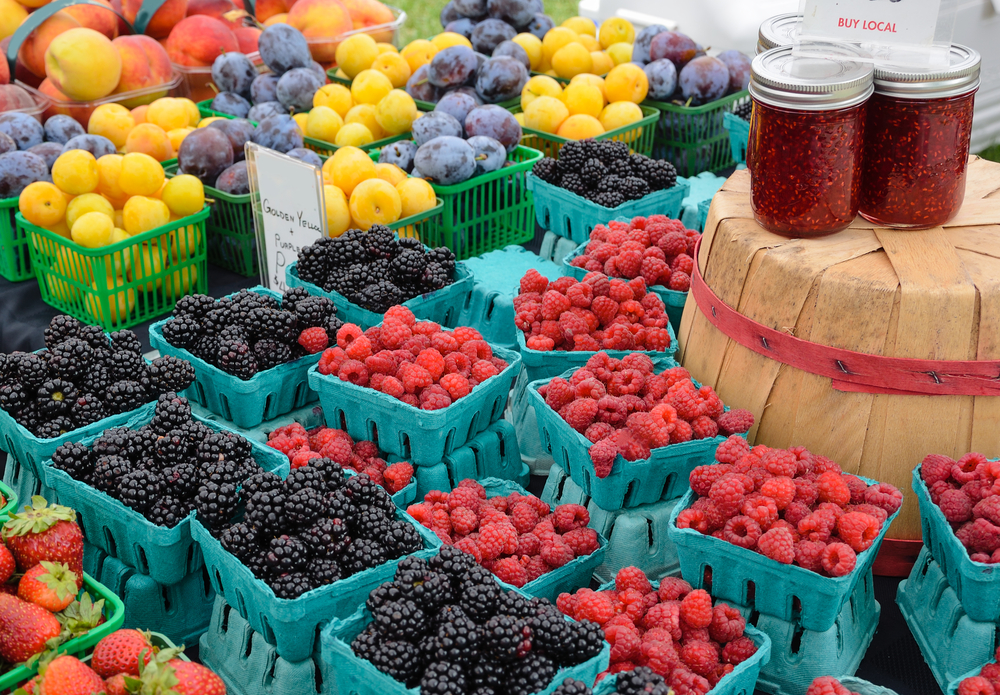
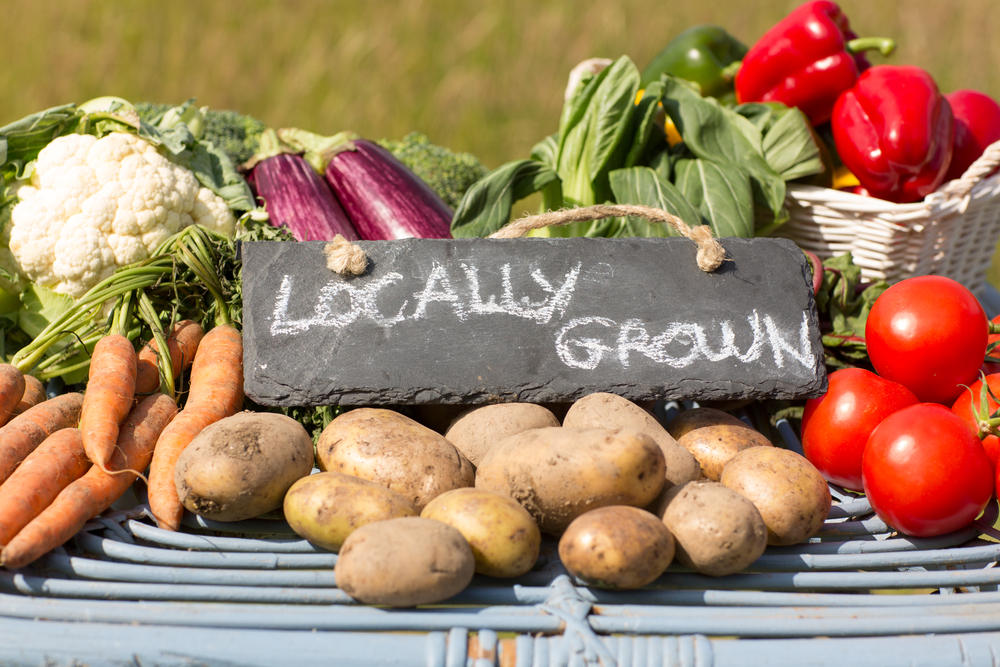
  • Eat Local. Be the “locavore” that you know you are, by consuming food grown within a few miles of where you live. Locavores make frequent trips to farmers’ markets and purchase fresh produce within a local range. A great place for locavores in Michigan is Detroit’s Eastern Market, which is just 13 miles away from the Detroit Zoo. Other farmers markets are popping up all over the metro Detroit area including in Royal Oak, Birmingham, Clawson, Farmington, Grosse Pointe Park, Northville and Plymouth. Check your local websites for farmers’ markets near you. This simple change can not only lighten your carbon footprint because there are fewer miles for the food to travel and less gas being used to get there, creating less pollution on its way to your table. There’s also a reduction in greenhouse gas emissions during the production, packaging and transportation of your food, and it helps local farmers stay in business. There’s also something special about meeting the people who grow the food you put on your table.
    • Tips from a locavore:
      • BYOB (Bring your own bag). When visiting a farmers’ market or grocery store, bring your own reusable bags to cut down on the amount of plastic being used
      • Recycle any packaging that was on the foods you bought
      • Save gas by taking public transportation, a bike or carpool with family or friends
      • Make a genuine connection with the farmers whose produce you purchase
      • The produce at farmers’ markets are what is in season
      • If you’re buying non-organic, make sure to thoroughly wash your produce

  • Eat less meat: Try choosing veggies over meat; it’s healthier and you can help the planet. Perhaps try eating meat twice a week instead of four times, or even just once a week. Varying studies indicate the animal agriculture industry causes anywhere between nine and 51 percent of all greenhouse gas emissions. This means that by eating less meat, you can lower the amount of greenhouse gas emissions – and you can save water! Did you know that by skipping one burger, you can save enough water to shower with for three weeks? There are also health benefits to eating less meat, such as a lower risk of heart disease, stroke and diabetes, among others.

The Detroit Zoological Society is a leader in environmentally sustainability, with all operations guided by our award-winning Greenprint initiative. As part of our Green Journey, we are working to create a healthier environment for all animals, visitors and the planet. Offering options for visitors to eat clean at Zoo concessions is just one of the ways we’re working to create a more sustainable future.

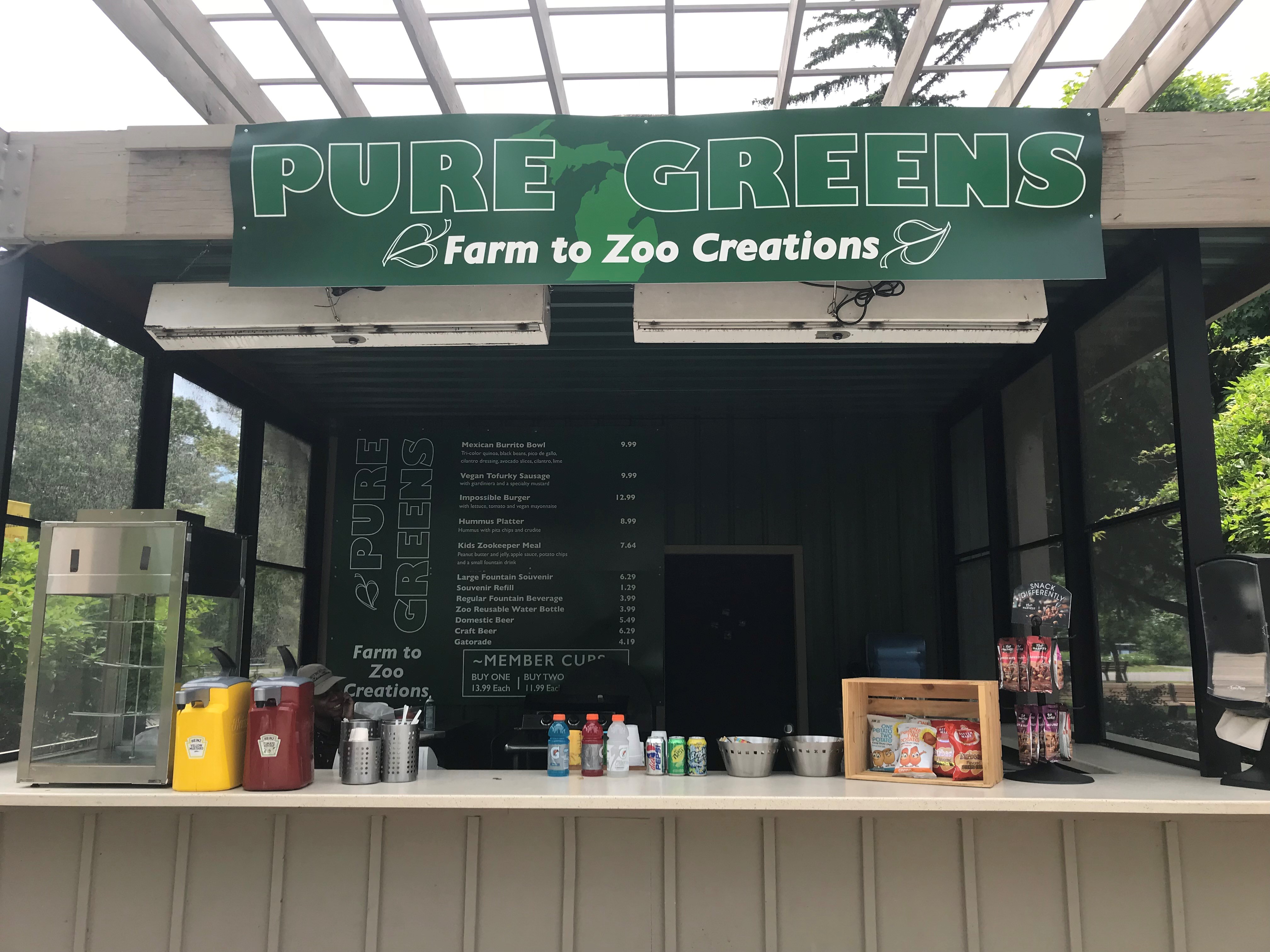
The Detroit Zoo’s Pure Greens Café has a 100 percent vegan menu, offering items such as the “impossible burger”, made from simple ingredients in nature such as wheat protein, coconut oil, potato protein and heme. Visitors can also try our Mexican burrito bowl or vegan tofurky sausage. All of the vegetables come from Michigan farms, solidifying Pure Greens’ “locavore” status. Vegetarian and vegan options are also available at the Artic Café and American Coney Island, including a vegan burger basket, soups and salads.

Animal Welfare: More than the “Bear” Necessities

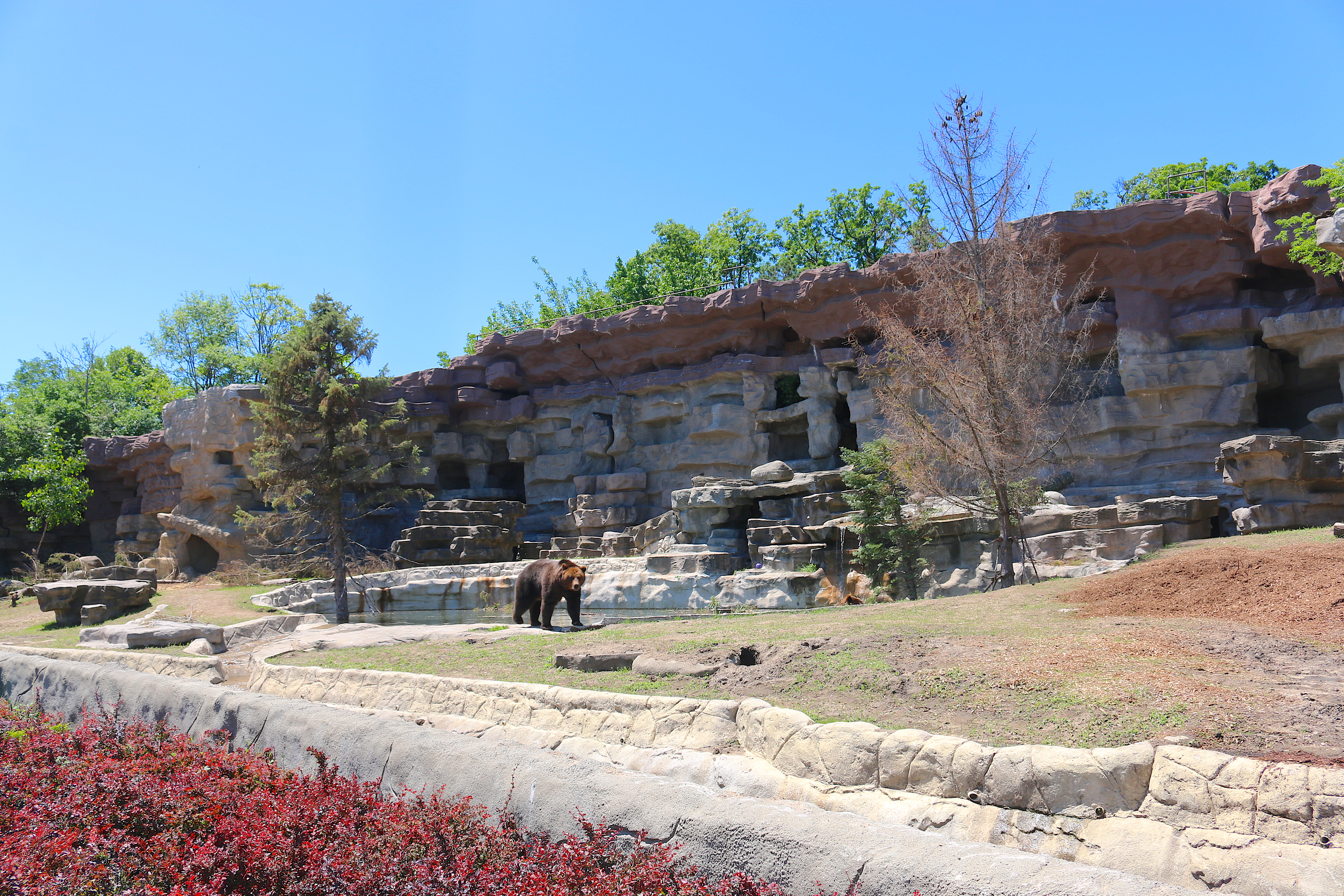
The Detroit Zoological Society (DZS) recently renovated the grizzly bear habitat at the Detroit Zoo, doubling the amount of outdoor and indoor space available to the three rescued brothers. Staff with the Center for Zoo and Aquarium Animal Welfare and Ethics are measuring changes in the bears’ activity budgets, behavioral diversity and fecal glucocorticoid concentrations to assess the impact of the expanded habitat. We will also be testing the efficacy of a biomarker of oxidative stress as a novel indicator of animal welfare.

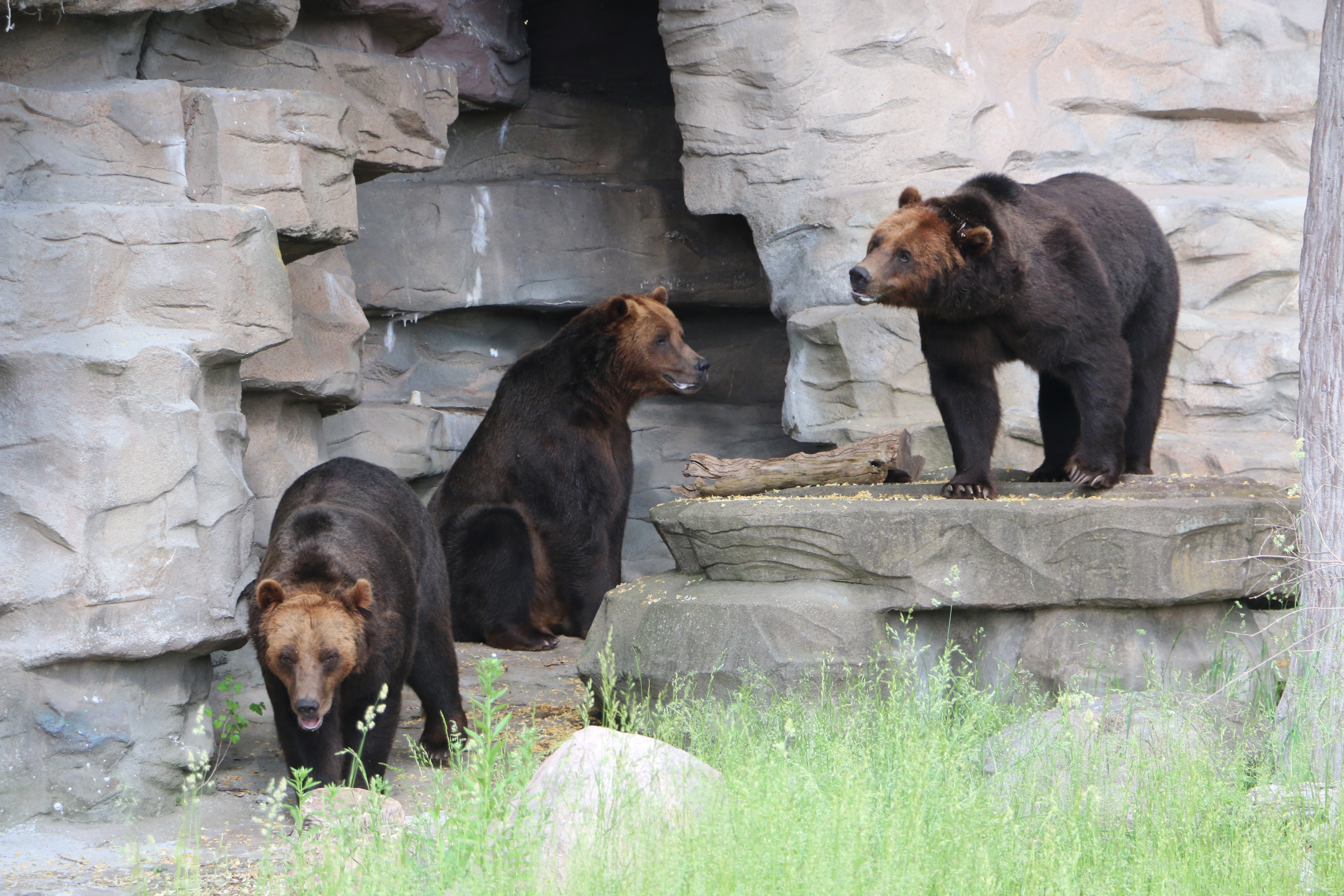
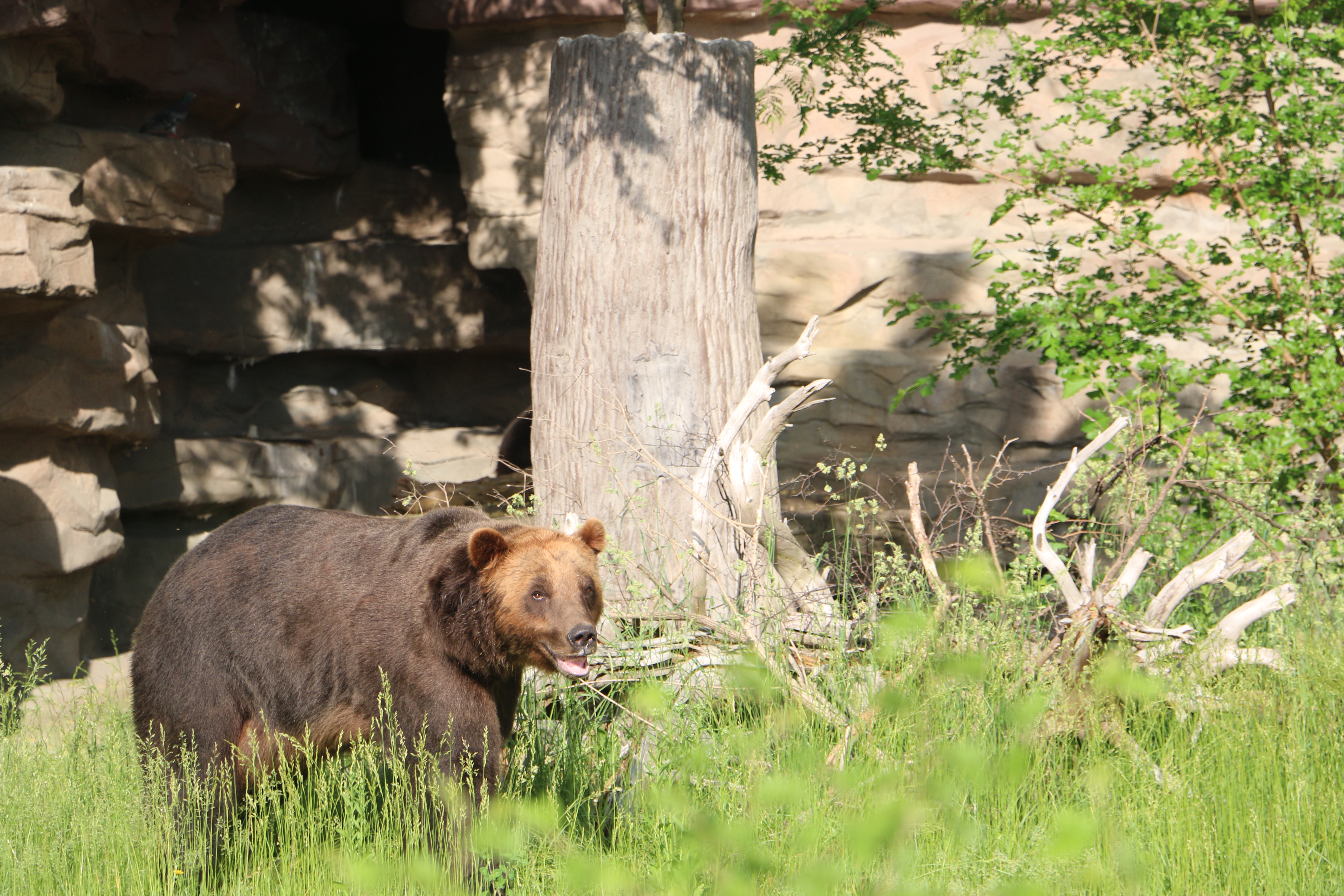
The grizzly bears living at the Detroit Zoo, Mike, Thor and Boo, are brothers who were rescued in Alaska after their mother was killed by a poacher and the cubs began foraging too close to humans. At just a year old, they were too young to care for themselves and the DZS has been able to provide them with a safe place to grow up. The bears are now 7 years old and weigh approximately 900 pounds. With their inquisitive nature and significant strength, they frequently “redecorate” their habitat by moving logs around and digging in various locations. It became clear that they were outgrowing the habitat they called home since 2012.

As part of the DZS’s commitment to ensuring individual animals experience great welfare, a significant expansion of the grizzly bears’ habitat is underway. Not only will this augment the amount of land space available to the bears, it will also provide them with new behavioral choices. They will have access to more features such as caves to provide cool, shaded areas. The larger habitat will also increase natural foraging opportunities for the bears.

When we make changes that affect the lives of animals, it is important that we understand how those changes impact them. To that end, we began collecting data last fall, prior to construction, to obtain a baseline of the bears’ behavior and hormone levels. Observations continued during construction and will end two months after the bears move back into their renovated home. Zookeepers have also been filling out daily surveys to add to the information we are gathering. Fecal samples are collected daily and these will be analyzed in our lab to measure hormone levels related to how the bears react to these changes. Using these different types of data in concert will increase our understanding of the expansion effect on the bears’ overall well-being.

Dr. Stephanie Allard is the director of animal welfare for the Detroit Zoological Society and oversees the Center for Zoo and Aquarium Animal Welfare and Ethics.

Veterinary Care: Exotic Animal Hematology

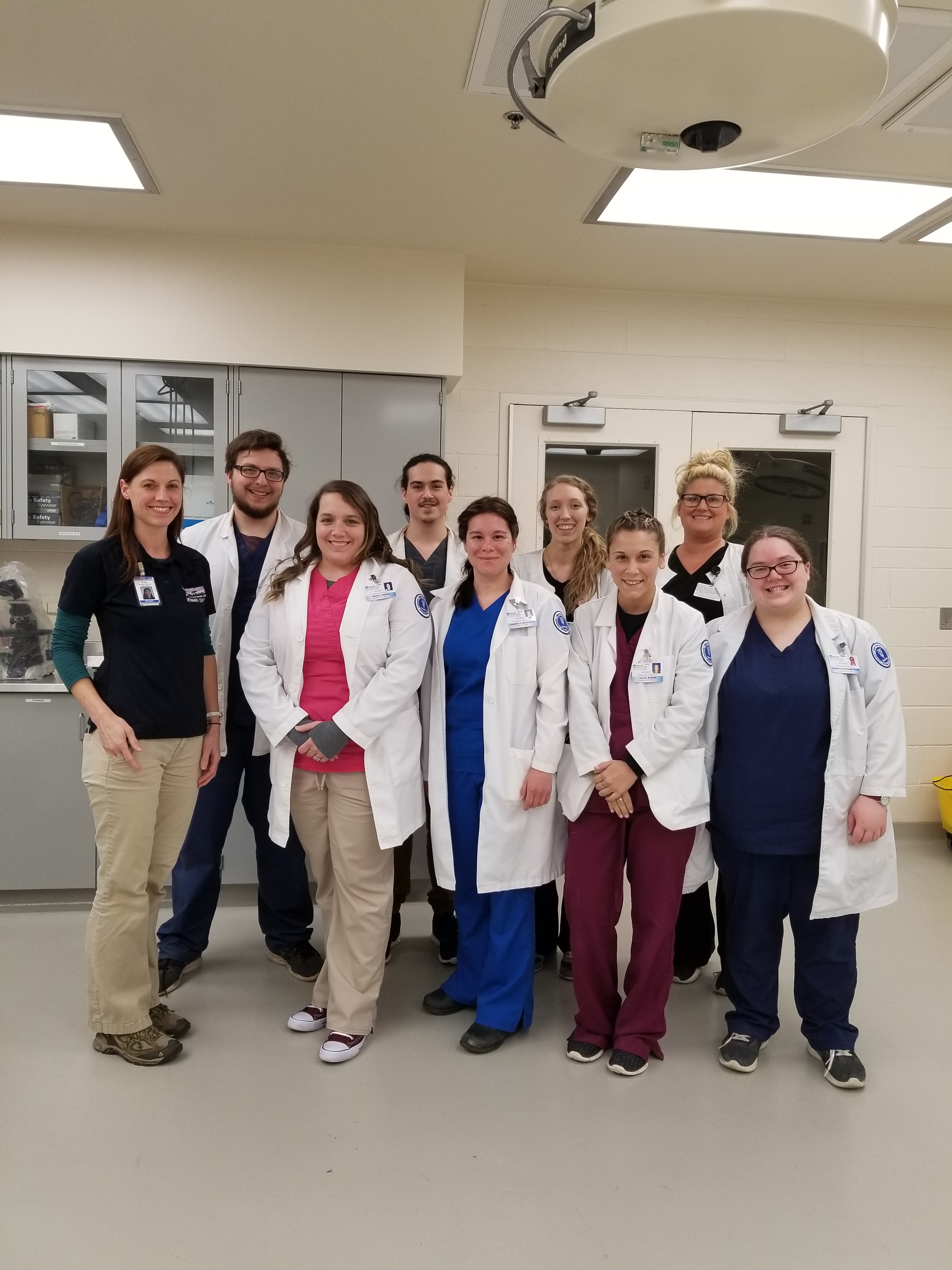
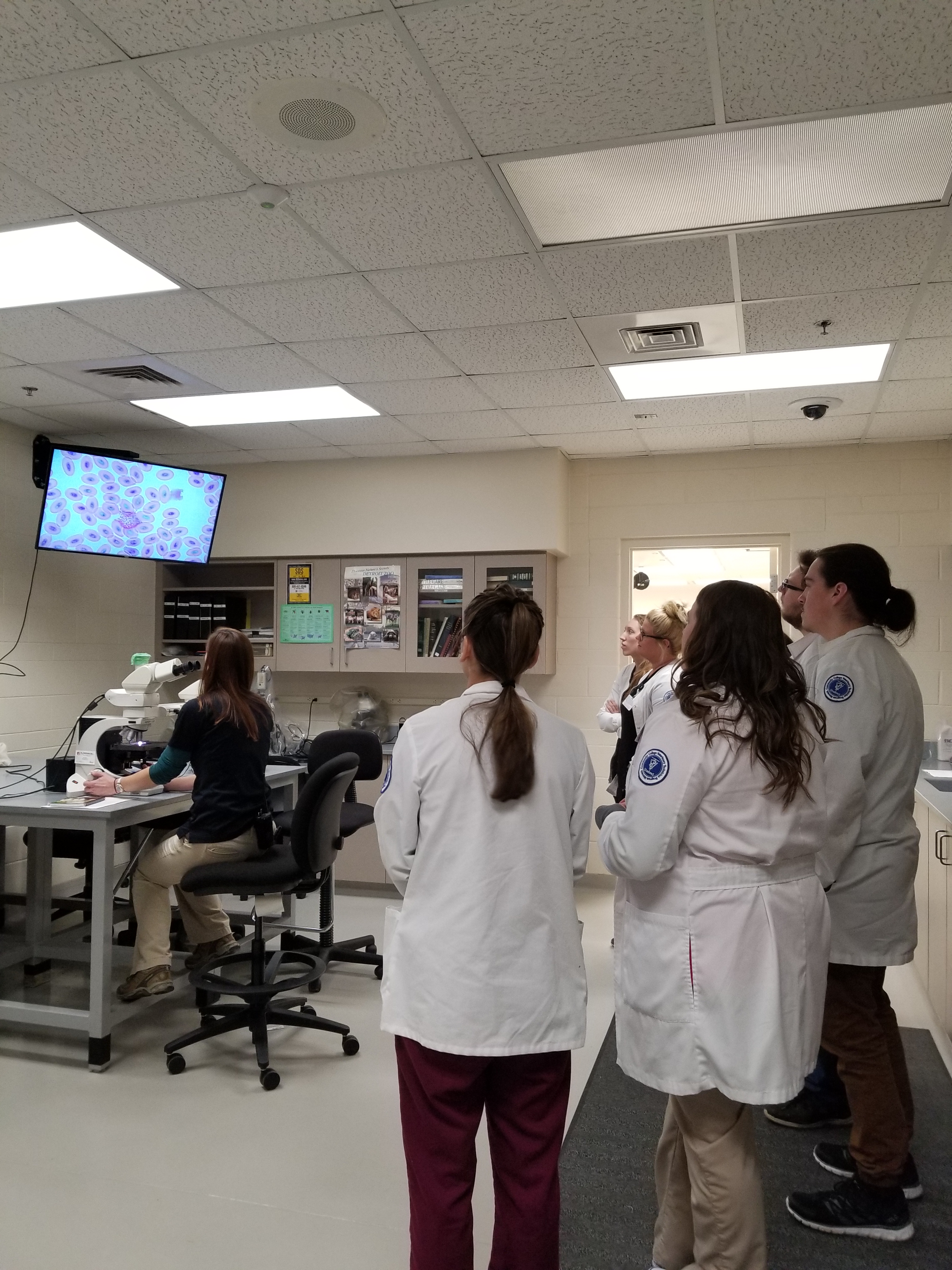
The Detroit Zoological Society has hosted students from Macomb Community College’s veterinary technician program for the past seven years to teach them about exotic animal hematology. These second-year students spend an evening in the lab at the Detroit Zoo’s Ruth Roby Glancy Animal Health Complex, learning about the variance in blood cells in many exotic animal species and understanding why zoo medicine is a very specialized field.

Hematology is a medical term referring to all things related to blood – a major part of diagnosing illness and disease comes from the information we learn by examining a patient’s blood. The special thing about working in the veterinary hospital at the Detroit Zoo is that we are responsible for the healthcare of all 230 species of animals that reside here. Working with such a large variety of species can be fun but it can also be daunting when you realize just how much information we actually need to know.

Part of the laboratory testing performed on the samples that we collect involves smearing a small drop of blood onto a microscope slide, applying a special stain and examining the blood smear under a microscope. We then perform a count of 100 different white blood cells and analyze all of the cells for abnormalities. We also look for things like hemoparasites, which are parasites that can be found in the blood.

Mammal blood is different from bird, reptile, amphibian and fish blood in that mammal red blood cells do not contain a nucleus while the other classes of animals’ red blood cells do. Aside from that major difference, the types of white blood cells in mammals differ from non-mammals along with variations in cells from species to species. For example, penguin blood cells look different than vulture blood cells. In a human laboratory, this same testing is performed by an automated CBC (complete blood count) machine, which automatically counts the cells and reports the values. In a zoo setting, we do not have the same capabilities. Because of the nucleated red blood cells found in many of our patients, these cells cannot be counted by a lab machine and must be counted by hand. Being able to recognize normal and abnormal cells in so many species of animals comes with a lot of practice and many years of experience.

I have continued to practice and hone my hematology skills since becoming a veterinary technician for the Detroit Zoological Society more than 10 years ago. I look forward to continuing our relationship with Macomb Community College’s veterinary technician program and being able to share my specialized hematology knowledge with more local veterinary technician students in the future.

– Erica Campbell is a veterinary technician for the Detroit Zoological Society, operating out of the Ruth Roby Glancy Animal Health Complex at the Detroit Zoo.

Humane Education: Opening Your Heart to a “Fur-ever” Friend

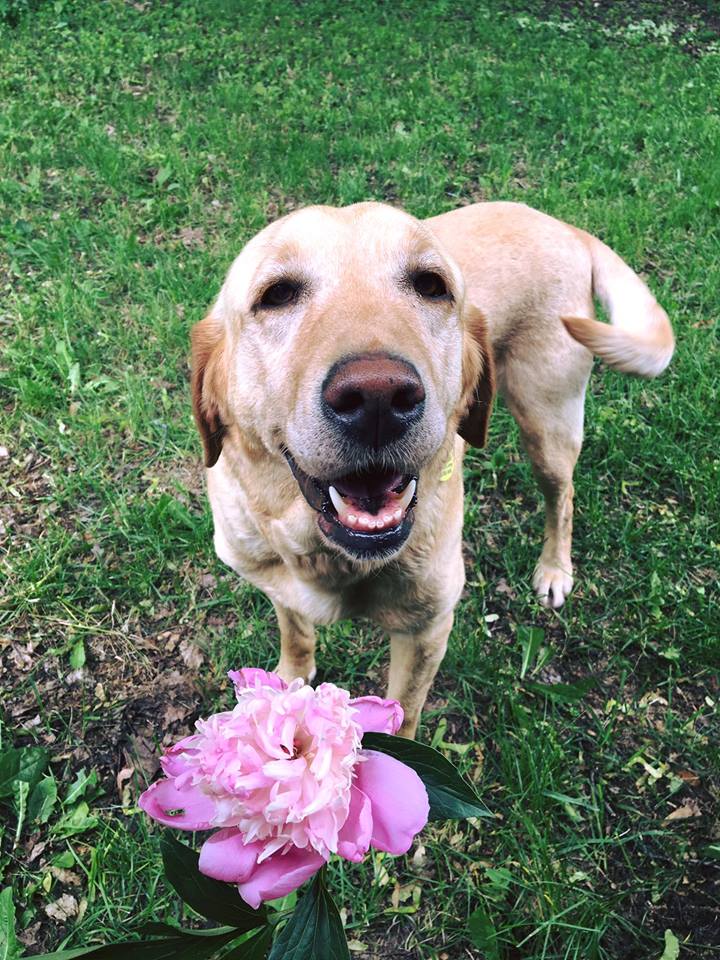
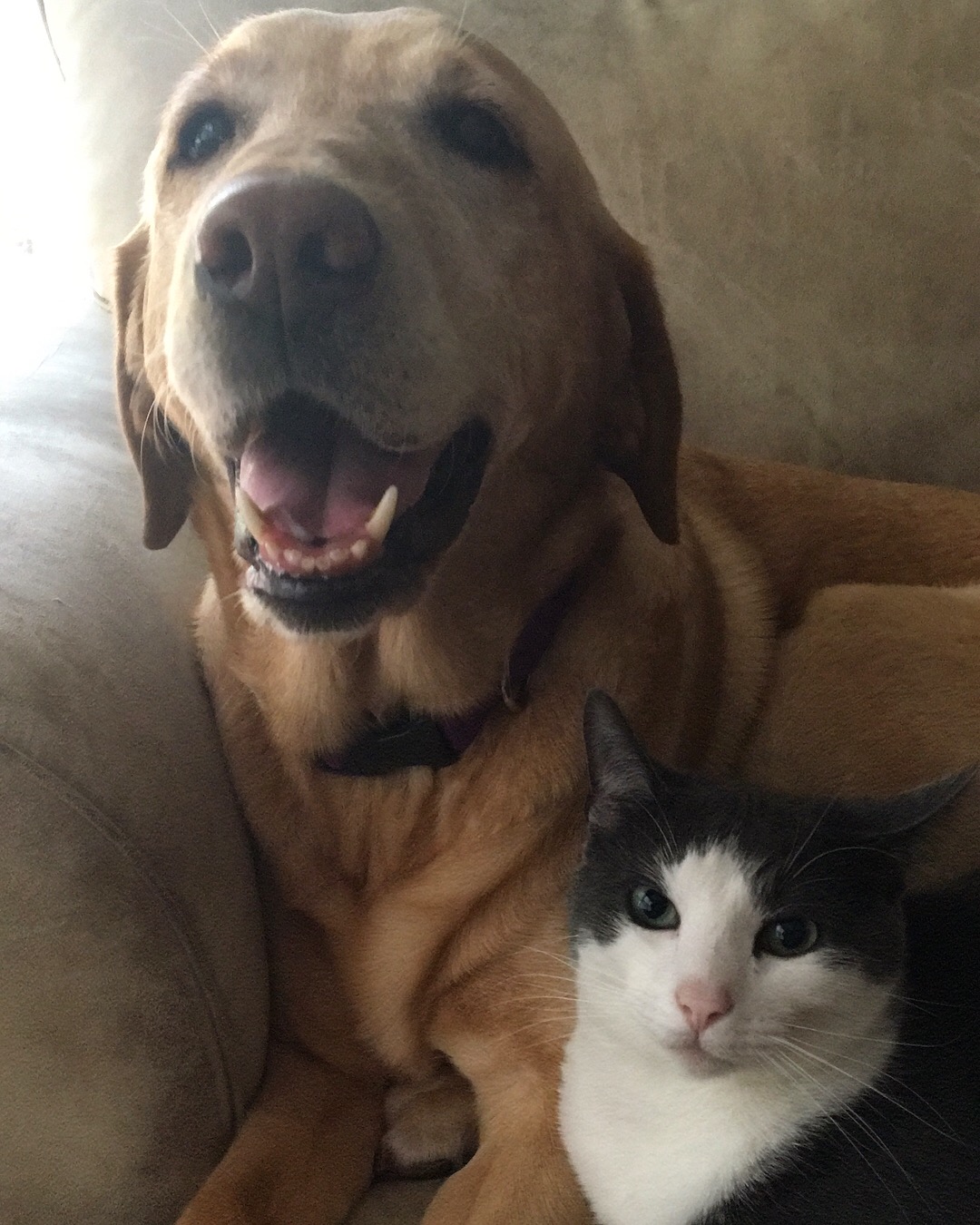
It’s been one year since I adopted Clemmie, a now 8-year old yellow Labrador retriever mix. During that time, she’s really come into her own. She’s still an anxious girl, but she’s made tremendous progress.

As I reflect on this past year, it makes me smile to think about all that Clemmie has learned and overcome. When she first came home, she had protruding ribs and visible signs indicating that she’d been used to breed lots of puppies. She had no idea that she was supposed to go to the bathroom outside. She was terrified of Frankie, my cat – so much so that she couldn’t even look at him. She would sometimes cower when I put my hand out to pet her.

It’s taken a lot of patience and persistence and a consistently calm demeanor to help Clemmie break out of her shell. Sometimes people have the perception that as soon as you adopt a companion animal and bring them home, they will instantly adapt. But there’s an acclimation period for animals of all ages. It requires dedication – it can take months or even years – but it’s also a joyful process as you watch your beloved companion overcome obstacles and become a true part of the family.

Having empathy really does lead to patience during times of frustration; for example, during the first eight or so months, Clemmie was having daily accidents. When I would pause for a moment and recognize all that she had been through, my outlook always changed.

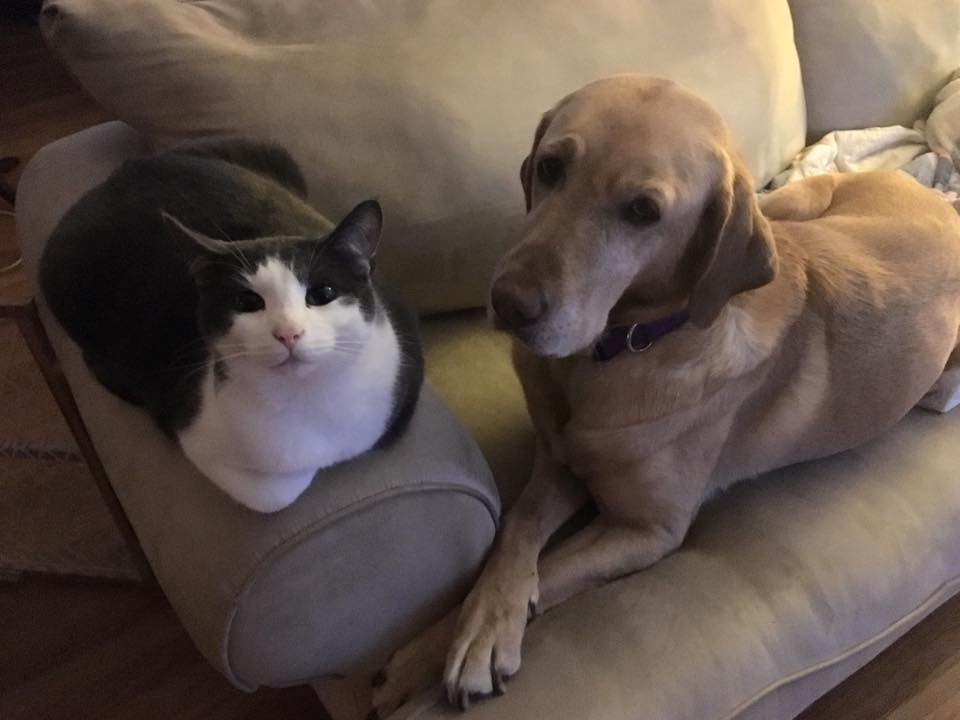
Clemmie very rarely has accidents these days. She’s learned how to shake with her paw. She stops mid-walk to look up at me because she wants me to pet her and give her a hug. She’s recently played with a toy in front of me. And the thing that touches my heart the most – she and Frankie have become the best of friends, often curling up with one another or watching the world pass by out the front window. I couldn’t be more grateful for my two rescued furry companions. They bring me immense joy and fill our house with love.

If you’re thinking about adopting a dog or a cat, local rescue organizations and shelters can support you in finding the perfect companion animal. Unfortunately, an estimated 10,000 dogs and cats are euthanized in shelters each day due to a lack of homes. That adds up to 3-4 million animals in the U. S. each year. So when you adopt an animal, not only are you bringing home a new member of your family, you’re also responsible for saving that individual’s life.

Join us on May 18 and 19 at Meet Your Best Friend at the Zoo – one of the nation’s largest off-site companion animal adoption events – where hundreds of dogs, cats, puppies and kittens are available for adoption to loving homes. And be sure to stop by the Zoo’s humane education table while you’re there and learn more about how we work to help people help animals.

Lisa Forzley is the curator of humane education for the Detroit Zoological Society and oversees the Berman Academy for Humane Education.