Amphibian Conservation: Wyoming Toads Prepare for Breeding

A pair of small gold eyes peers out from under a mass of sphagnum moss. In a day or two, this warty creature will complete its climb out from the depths of the sandy soil where he has spent the last 30 days sleeping and “chilling” at a cool 38 degrees. Along with seven other individuals of this species, he will awaken due to an increase in temperature and light. By the time the temperature reaches 74 degrees, he will have completely removed himself from the soil and be sitting atop it, hopefully alongside his companion, a slightly larger female. In the week that follows, events these two small cold-blooded creatures will go through could lead to producing thousands of their species in a matter of hours due to their “explosive” nature.
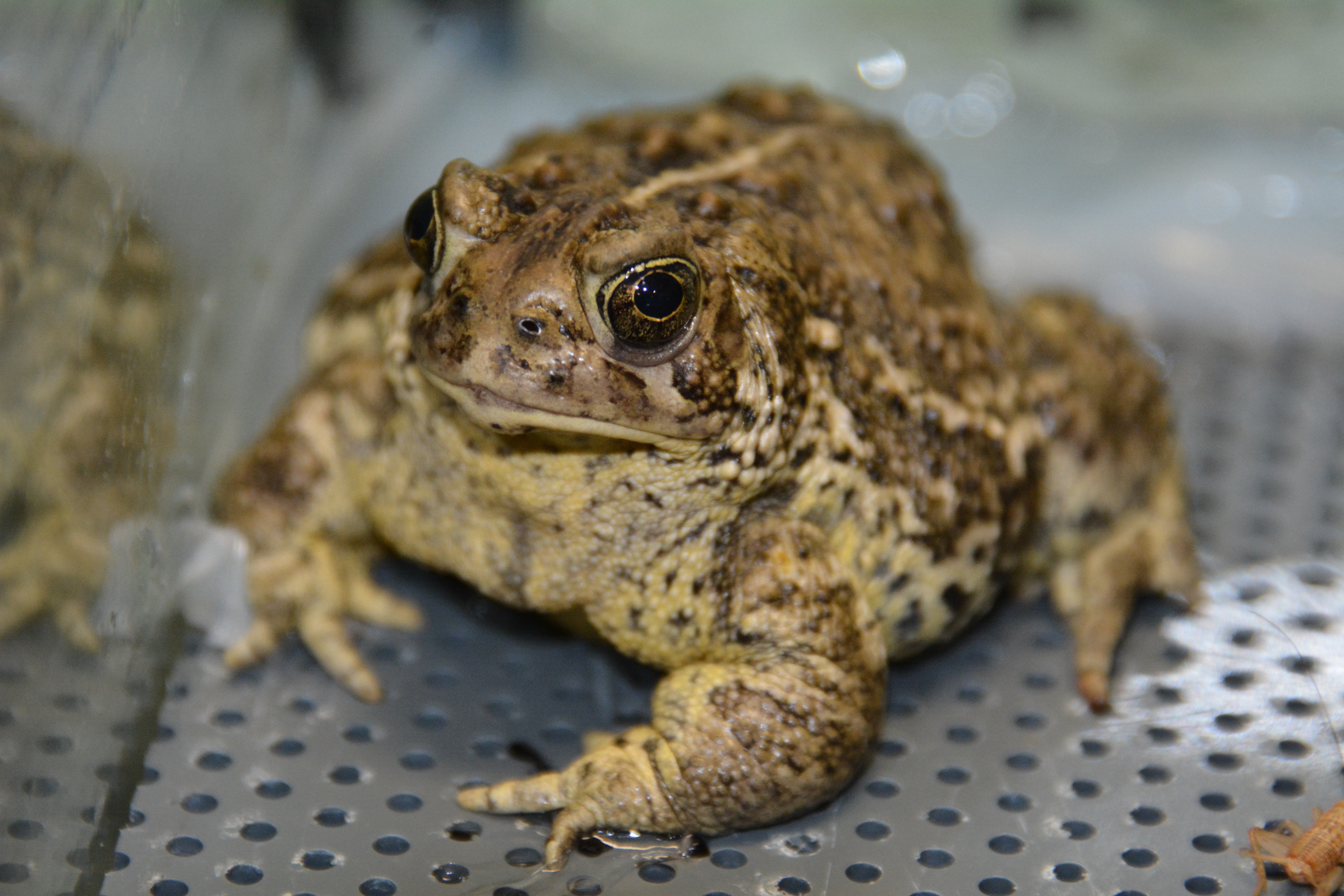
The Wyoming toad (Anaxyrus baxteri) is one of North America’s most endangered species and one of the amphibians we work with as part of a Species Survival Plan (SSP) at the Detroit Zoo’s National Amphibian Conservation Center.  This toad’s wild populations began declining in the 1970s, and by the 1980s was listed as an Endangered Species by the International Union for the Conservation of Nature (IUCN). Possible causes for the population decline are use of aerial pesticides to eliminate mosquitoes, habitat manipulation, and disease in the form of the amphibian chytrid fungus. Realizing a decline was occurring, the last remaining toads were collected and by 1994, all remaining wild-born Wyoming toads were believed to be entirely in captivity. The IUCN now describes the Wyoming toad as extinct in the wild, meaning any toad currently found in the wild has come from captive breeding, in which the Detroit Zoological Society (DZS) has been actively involved.

The Wyoming toad SSP is managed by the Association of Zoos and Aquariums (AZA). The DZS has been a member of this conservation program since 1995 and since 2001 has sent a total of 6,505 tadpoles and toadlets to the wild. All Wyoming toads are the responsibility of the U.S. Fish and Wildlife Service (USFWS), so members of the AZA work closely with them to follow all USFWS permit guidelines for keeping them in captivity. The goal of any captive breeding program is to produce healthy offspring for release into the wild with the goal of rebuilding them into a self-sustaining population. Each toad in captivity is identified and tracked, which helps to pair toads that will produce the most genetically diverse and healthy offspring. Breeding pairs of toads are chosen almost a year in advance so toads have plenty of time to move from one zoo to another to create the breeding pairs.
Although not as well known as Jabari and Kivuli, the giraffe couple at the Detroit Zoo, Wyoming toads Butler and Beverly are a very important couple of toads. They are part of a “bio-secure” population and will never be seen by the public, which ensures they will not accidentally release diseases, known or unknown, into the wild via their offspring. They are held with four other pairs of Wyoming toads in a special room away from all other amphibians, so they will remain free of diseases that could otherwise be found in species not native to the western region of North America.

At the AZA’s recommendation, Butler arrived at the Detroit Zoo last October to be paired with Beverly, who arrived in 2012. Both are now 3 years old, which is about middle aged for a Wyoming toad. In early April, they were placed together into a thermostat-controlled “hibernaculum”, which is used to cool the toads, simulating the hibernation period a wild Wyoming toad would go through during the winter. The toads are kept cooled for about a month to help prepare them for breeding; eggs or sperms may develop and mature as a result of this cooling. The toads are given plenty of sandy soil to bury down into and sleep in just as they would have in the wild, and the Zoo’s animal care staff checks in on them weekly to make sure they are doing well.

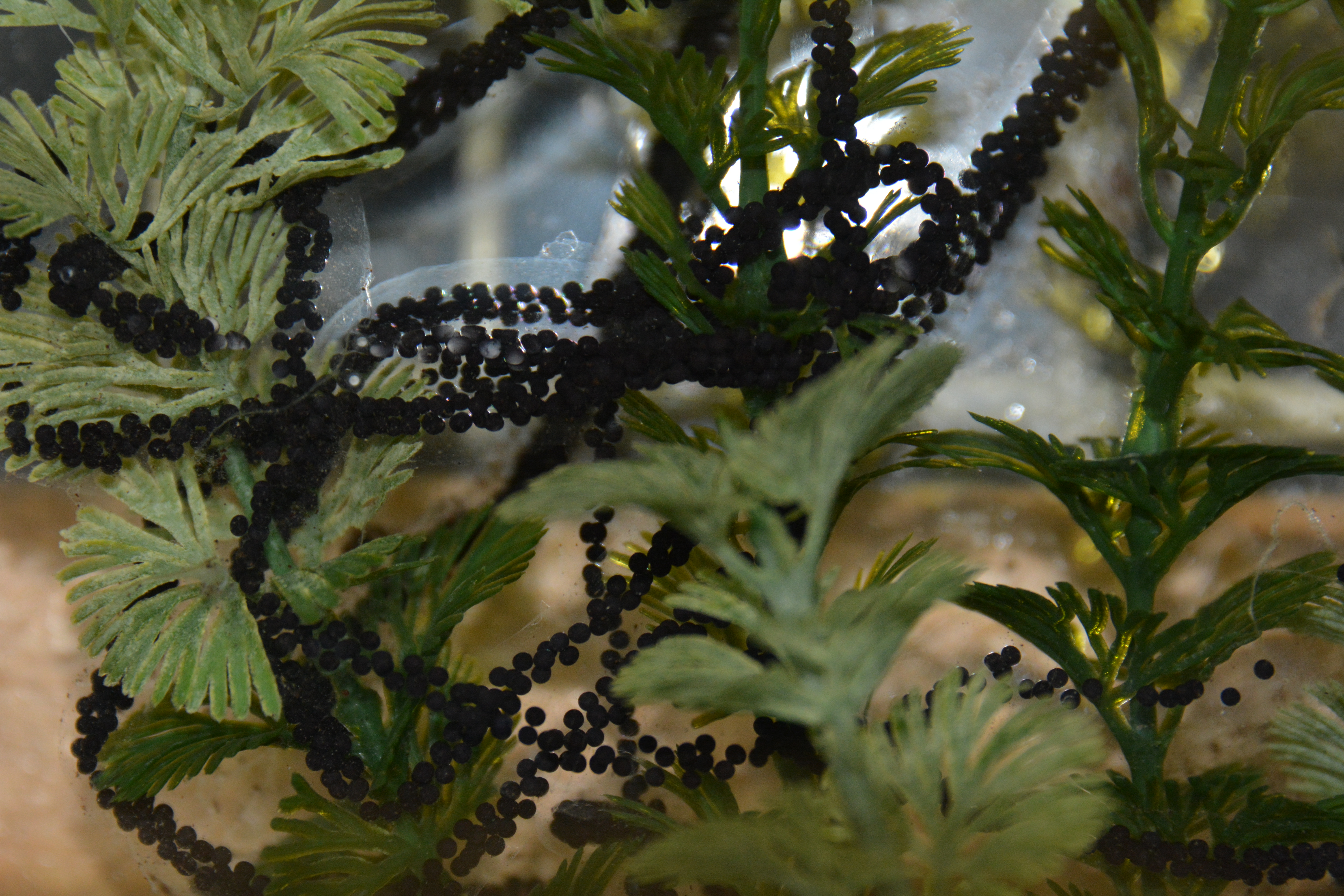
At the end of May, the temperature in the hibernaculum will be increased to 70 degrees Fahrenheit and the toads will begin to awaken. Once they have climbed out from the soil, we will place them back into regular husbandry for a few days where they will continue to warm up and eat. Recordings of male toads calling are played during this time to condition toads further for breeding. Within a few days of emerging from hibernation, Butler and Beverly will be placed into a breeding chamber with 2-3 inches of water. The pair will hopefully go into “amplexus” within a few hours, which happens when the male positions himself on top of the female using his front legs and squeezes her, encouraging her to lay eggs. He fertilizes the eggs as she lays them, usually in the dark, overnight. Butler and Beverly should lay thousands of eggs, which is typical of toad species. Described as “explosive breeders”, the more eggs they can lay the better the chance offspring have of surviving the elements, diseases and predators. Since this is a captive breeding, we can help the thousands of eggs that Butler and Beverly produce survive into strong, healthy tadpoles.
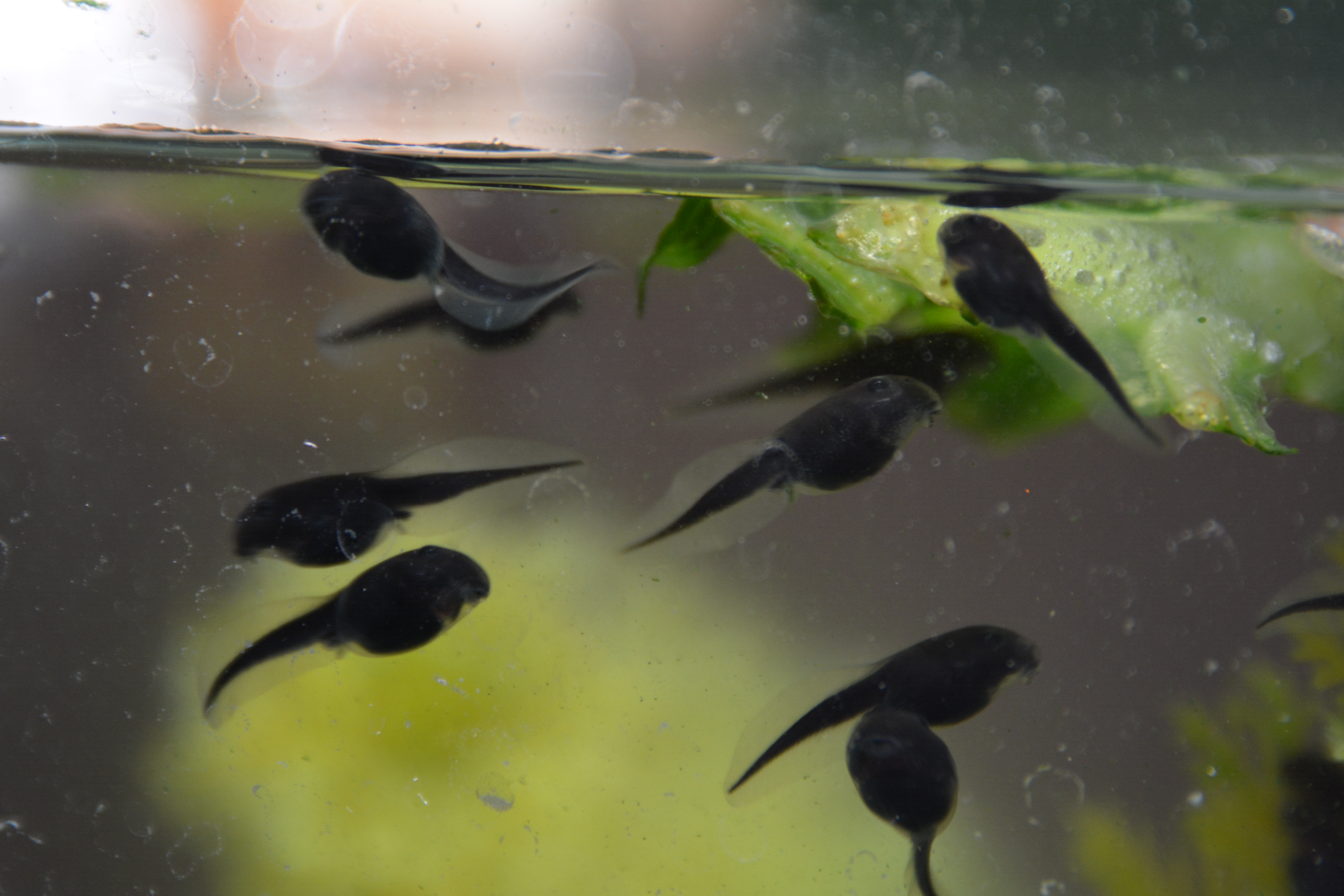
Approximately two to three weeks after eggs have hatched into thousands of hungry tadpoles, arrangements are made with the USFWS to ship the tadpoles to Wyoming, where they will be released into protected wetlands. These tadpoles will add to those previously produced in captivity sent yearly by the zoos that participate in this program and the USFWS.
The wetlands are monitored during the spring and summer as part of yearly field surveys done to track the health and population of the toads. This year we hope that Butler, Beverly and the three other pairs of Wyoming toads at the Detroit Zoo are able to contribute thousands of healthy tadpoles to the wild population.

– Rebecca Johnson is the associate curator of amphibians for the Detroit Zoological Society.
Amphibian Conservation: Breeding Puerto Rican Crested Toads

April is an important time for the Detroit Zoological Society’s amphibian conservation programs. Three of the four animals we work with at the National Amphibian Conservation Center (NACC) that are a part of Species Survival Plans (SSP) are preparing to take part in precisely planned and scheduled breeding events. The outcome is the release of captive-born offspring into the wild to aid in the increase of their populations.

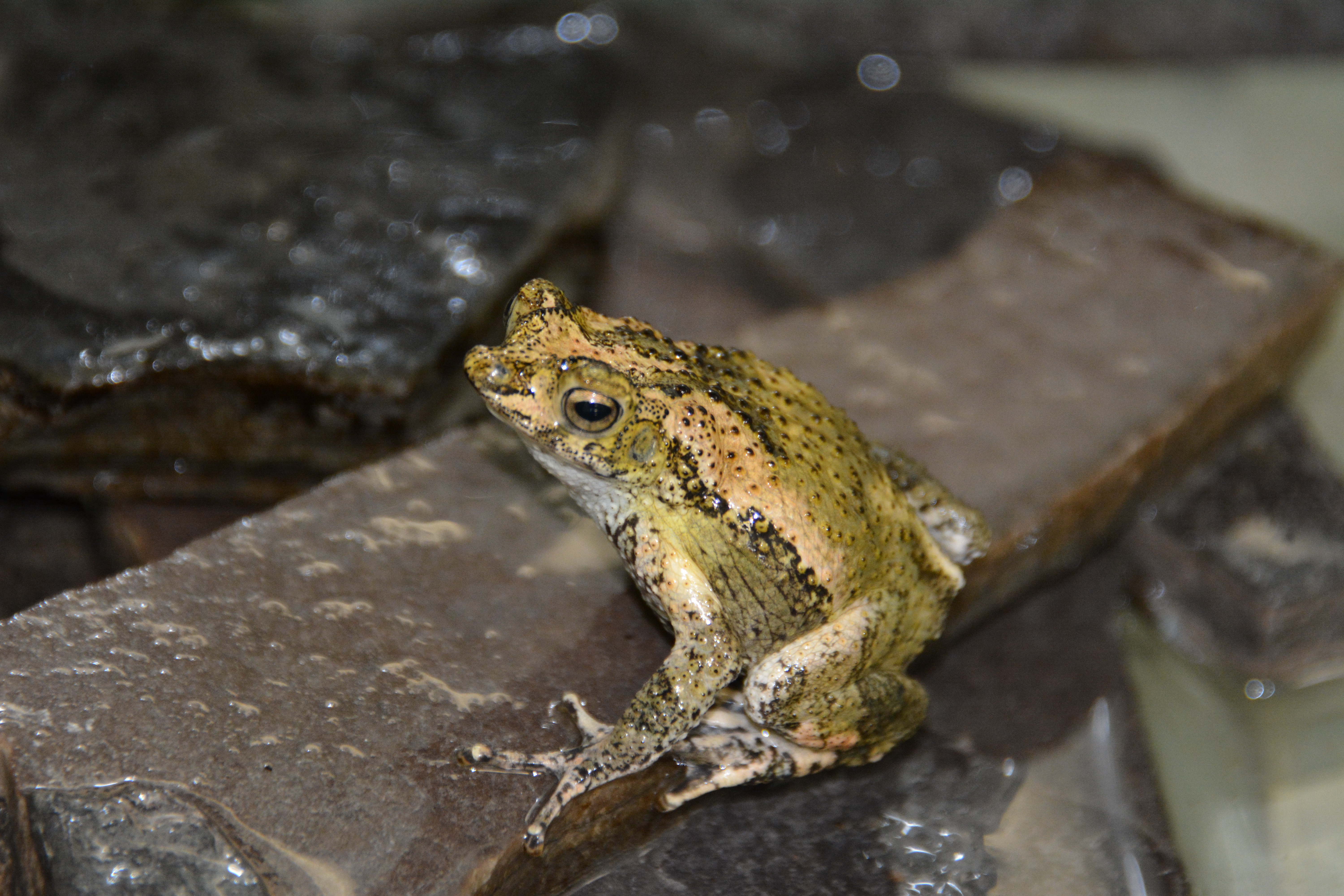
First up for the season is the Puerto Rican crested toad, Peltophryne lemur. The PRC toad, as we like to call them, has been part of a well-managed SSP since 1984. Habitat loss and competition from the invasive cane or marine toad (Rhinella marina) are believed to have been primary causes for the toad’s decline. Listed as critically endangered by the International Union of the Conservation of Nature (IUCN), collaborative efforts by the Associations of Zoos and Aquariums, U.S. Fish and Wildlife Service and the Puerto Rico Department of Natural and Environmental Resources have aided the recovery of this toad in the wild. More than 300,000 captive-bred tadpoles produced by 20 zoos have been released to the wild since 1982. Since the year 2000, the Detroit Zoological Society has produced more than 45,000 tadpoles for this program. In 2015, three clutches of eggs laid produced 22,571 tadpoles for release – the largest amount the Detroit Zoo had ever sent. Ongoing research and the creation and protection of pond habitats have also assisted in the recovery of this toad in its natural habitat.

You may be wondering what it takes to produce thousands of tadpoles from toads half the size of the palm of your hand. The breeding season starts with the assignment of four breeding pairs from the SSP. Each toad in captivity is identified and tracked using a studbook. Specialized software chooses pairs of toads that will produce the most genetically diverse offspring. By mid-March, we know who these eight toads are and we can begin preparing them for breeding.

Each toad must be easily identifiable – if you think all toads look alike you’ll be surprised to know that wart patterns and throat markings are very unique, although reading glasses are sometimes needed to make the proper ID. Toads are conditioned by slightly cooling and drying their environments out for a month-long period. A thermostat-controlled refrigeration unit keeps the toads cooled precisely at 66 degrees Fahrenheit. While the toads are “sleeping”, their primary zookeeper works diligently on preparing the breeding tanks where the pairs will breed and the eggs will develop. At this same time, veterinarians prepare a schedule of specialized breeding hormones that will further assist in ensuring that eggs are laid and fertilization happens at the right moment.

Upon their exit from cooling, they return to normal husbandry to warm up and eat for a few days. Breeding calls of male toads are played to encourage breeding behaviors. Males are first to go into the breeding tanks, followed hours later by the females. If all the preparation works, pairs of toads will be in amplexus – which happens when a male is positioned on top of a female and he squeezes her to encourage egg-laying – before we leave for the evening, followed by a morning of tanks full of eggs.

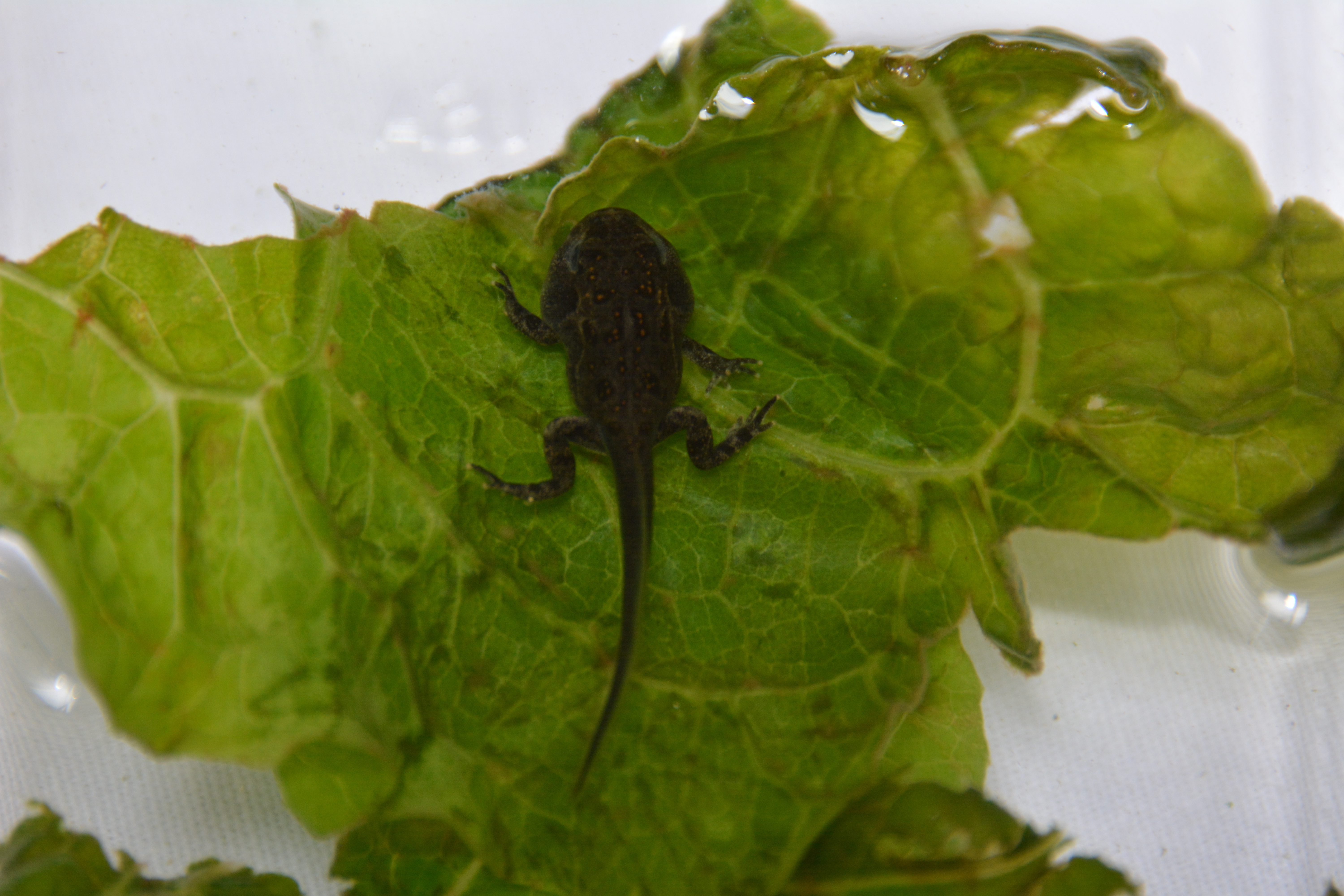
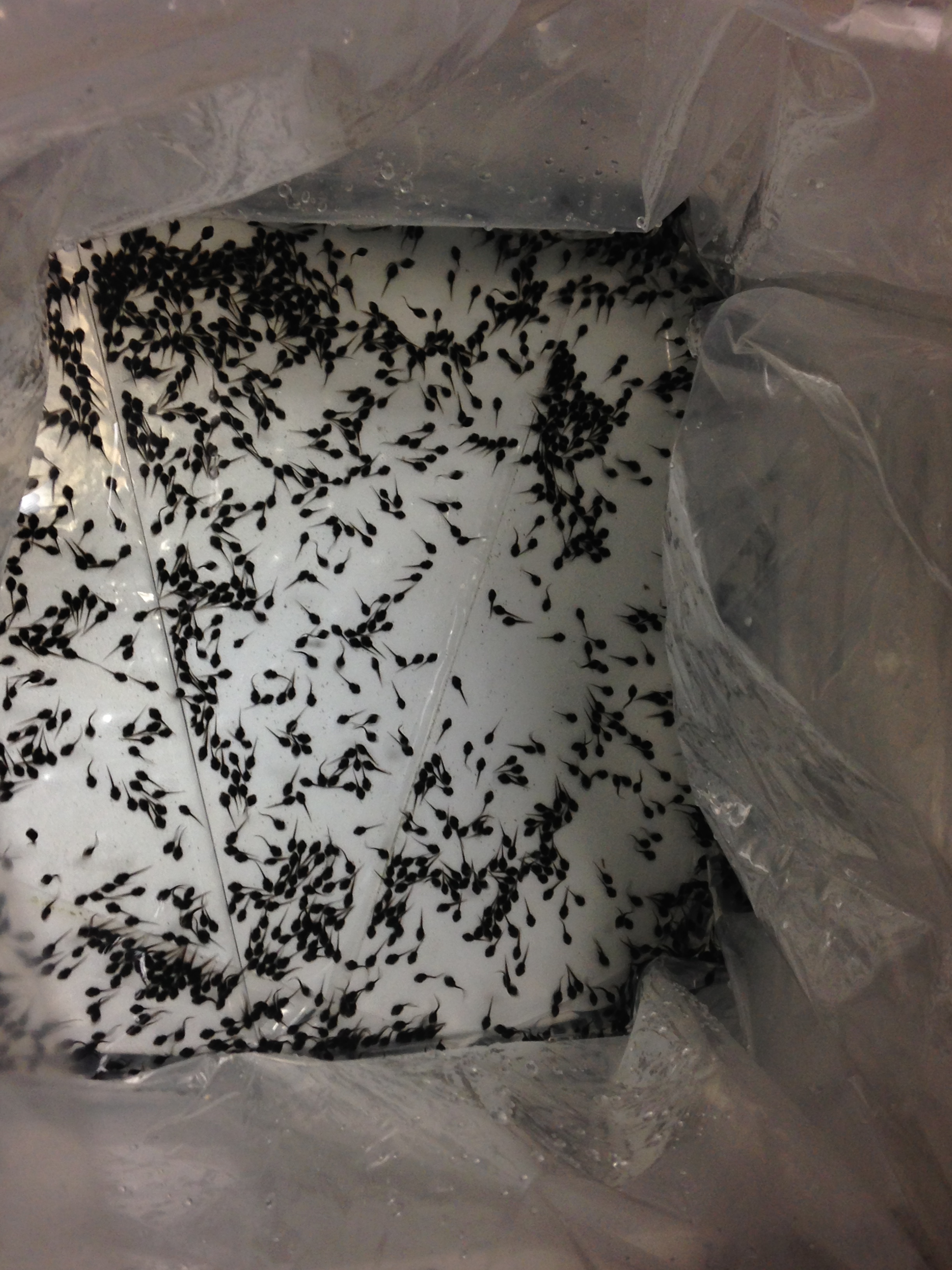
It takes two to three days for eggs to hatch and another couple of days for tadpoles to begin swimming around and actively eating. Tadpoles can be some of the hungriest creatures you will ever encounter. Keepers spend the next 10 days keeping them fully fed by offering them algae pellets, powdered diets and romaine lettuce sometimes three times a day. At the same time, all those foraging tadpoles create a lot of waste, so keepers spend the rest of their time keeping their water clean with frequent water changes.

During all of this, we keep a very important date in the backs of our minds – the last big event in our PRC toad breeding season. Any facility that breeds the PRC toad needs to ship them to Puerto Rico for release on the same date. The release of the tadpoles is timed with the season in which the tads would grow and develop the best in the wild. Tadpoles also need to be shipped at a certain age, before they get too big and begin to develop appendages.

Amphibian staff can spend well over 24 hours collectively counting and packing the tadpoles into Styrofoam-protected shipping boxes. Heavy-duty fish shipping bags are used, doubled up and filled with oxygen to keep tadpoles healthy and safe on their trip to Puerto Rico. Approximately 24 hours later, they will reach their new home in a pond located in a well-protected forest in Puerto Rico. As they develop and grow, they will add to the wild population and one day, hopefully, participate in creating many more thousands of tadpoles!

Rebecca Johnson is the associate curator of amphibians for the Detroit Zoological Society.
Amphibian Conservation: Species in Crisis

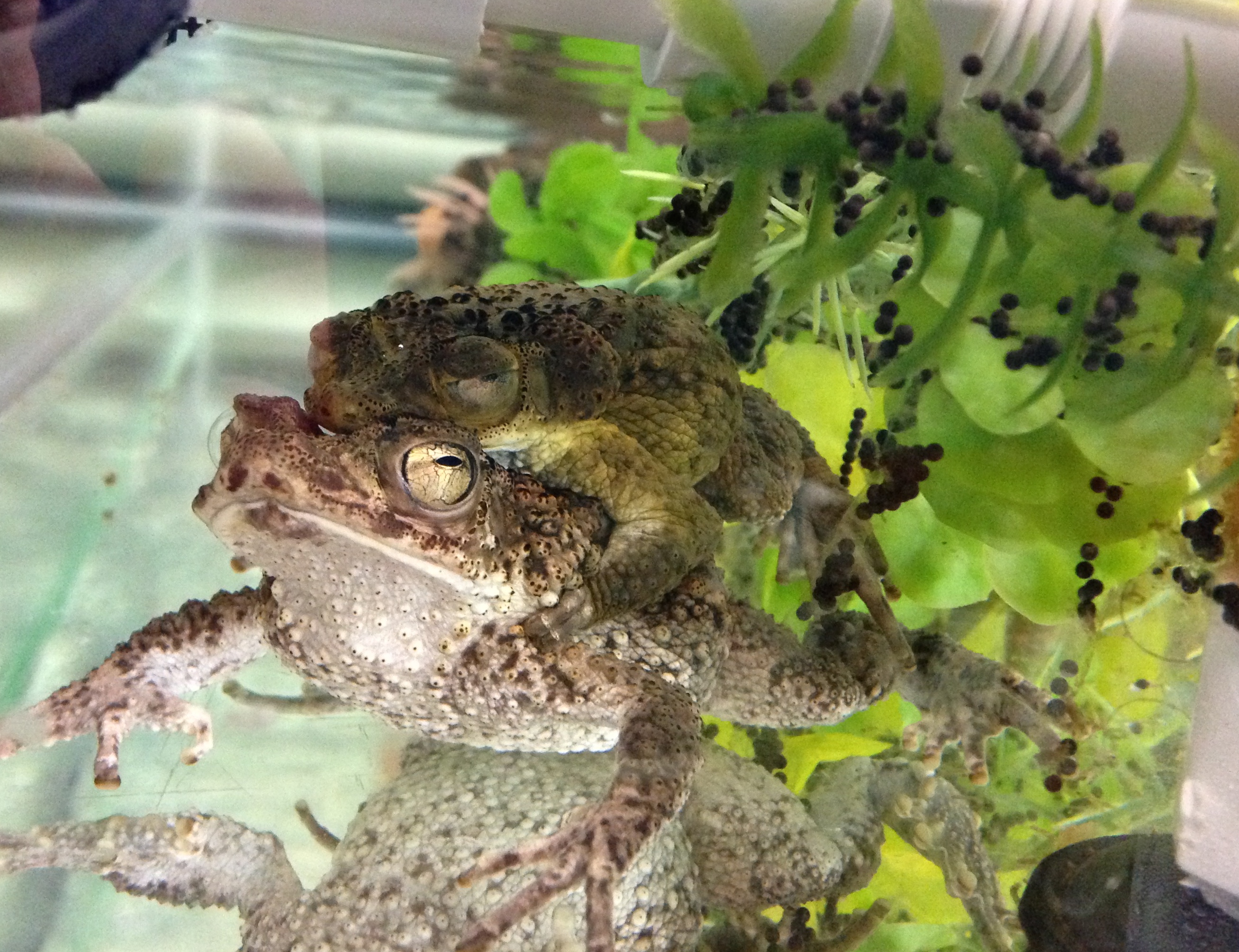
Let’s focus our attention on the smallest residents living at the Detroit Zoo: amphibians. No other class of vertebrates has the ability to adapt and evolve as quickly in our ever-changing planet as amphibians. They have used every reproductive strategy and developed life stages influenced by environmental factors; they can be colorful, camouflaged and cryptic, regenerate limbs, and have been on Earth for the last 200 million years.

Marcy Blog 4

Currently, amphibians are the most threatened group of animals in the world with 40 percent of all species at risk. This crisis is considered the greatest extinction event in history; it’s also the Earth’s sixth mass biological extinction. While previous mass extinctions have been driven by natural planetary transformations or catastrophic asteroid strikes, the current die-off can be associated directly with human activity. This epoch started when human activities began having a significant impact on the Earth’s ecosystems.

The Detroit Zoological Society (DZS) participates in Global Assessments, which provide a comprehensive inventory of the conservation status of biological species as well as a critical dataset for evaluating the health of key elements of biodiversity and identifying threats to their survival. Newly described species emerge yet extinctions are occurring at an even faster rate. Climate change is the most dramatic cause of declines, and it affects amphibians both directly and indirectly, as reproduction is dependent on temperatures and seasonal transitions. Low pond levels expose embryos to more ultra violet (UV) light and UVB radiation is harmful to many species. The shorter periods and earlier opportunities for breeding ultimately reduce the chances of success. Amphibians are also dependent upon water, which makes them vulnerable to desecration when ponds dry too quickly. But since amphibians rely on the environment, they also are excellent storytellers. They can help us determine where pollutants are and if there is misuse of habitat.

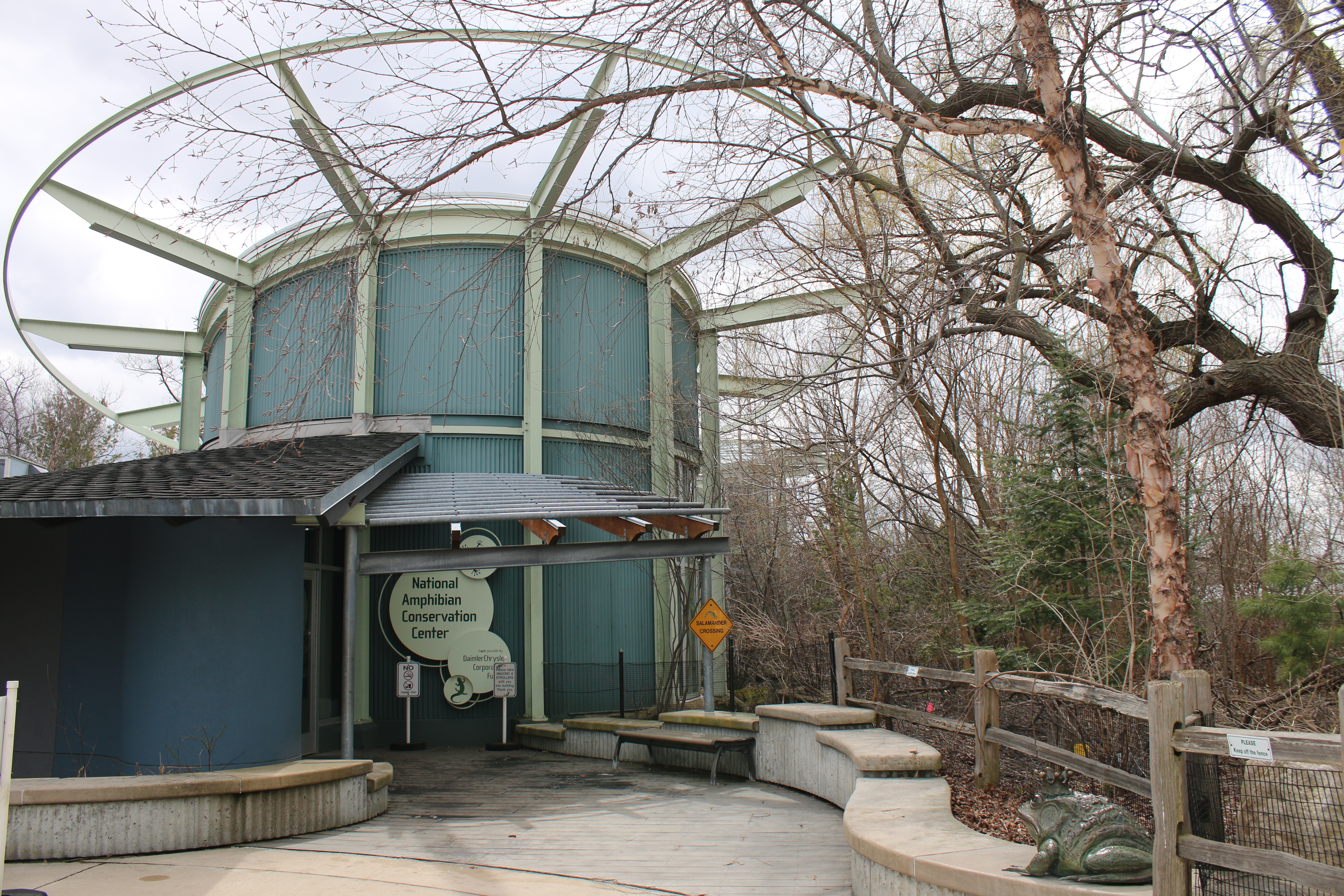
When the National Amphibian Conservation Center (NACC) opened at the Detroit Zoo in 2001, it was the first major facility dedicated entirely to conserving and exhibiting amphibians. The award-winning, state-of-the-art amphibian center is home to a spectacular diversity of frogs, toads, salamanders, newts and caecilians, many of which are the subjects of field research and part of cooperative management programs called Species Survival Plans (SSP). Amphibians selected for an SSP are generally threatened, endangered and sometimes even extinct in the wild. The DZS is actively involved in many of these programs, including for the Wyoming toad, Puerto Rican crested toad, Panamanian golden frog, crawfish frog and Mississippi gopher frog. Some amphibians bred at the Detroit Zoo have been released into the wild to boost endangered populations, and others require us maintaining a “captive assurance population” because due to factors in the wild, they cannot be released just yet. When it’s safe for these species to return to their native homes, we have a population ready to release. We have specially designed, bio-secure rooms that can hold each of these species so they won’t be exposed to other amphibians or anything else that may be harmful when they are released.

In addition to maintaining our captive amphibian population and our efforts in cooperative breeding programs, DZS staff participates in several field projects and research programs, offers citizen science training and provides support for wildlife rescues, including those from the exotic pet trade.

– Marcy Sieggreen is the curator of amphibians for the Detroit Zoological Society and oversees the National Amphibian Conservation Center at the Detroit Zoo.

Editor’s note: Marcy Sieggreen was the curator of amphibians for the Detroit Zoological Society from 2008 until her passing in 2016. The Detroit Zoological Society established the Sieggreen Amphibian Conservation Fund in Marcy’s memory to continue to advance the work she so passionately championed.

Notes from the Field: Saving the Wyoming Toad

For the past few summers, I have traveled to Laramie, Wyoming for the Wyoming Toad Species Survival Plan (SSP) meeting, which is an effort by the Association of Zoos & Aquariums (AZA) to cooperatively manage species populations within accredited zoos and aquariums.

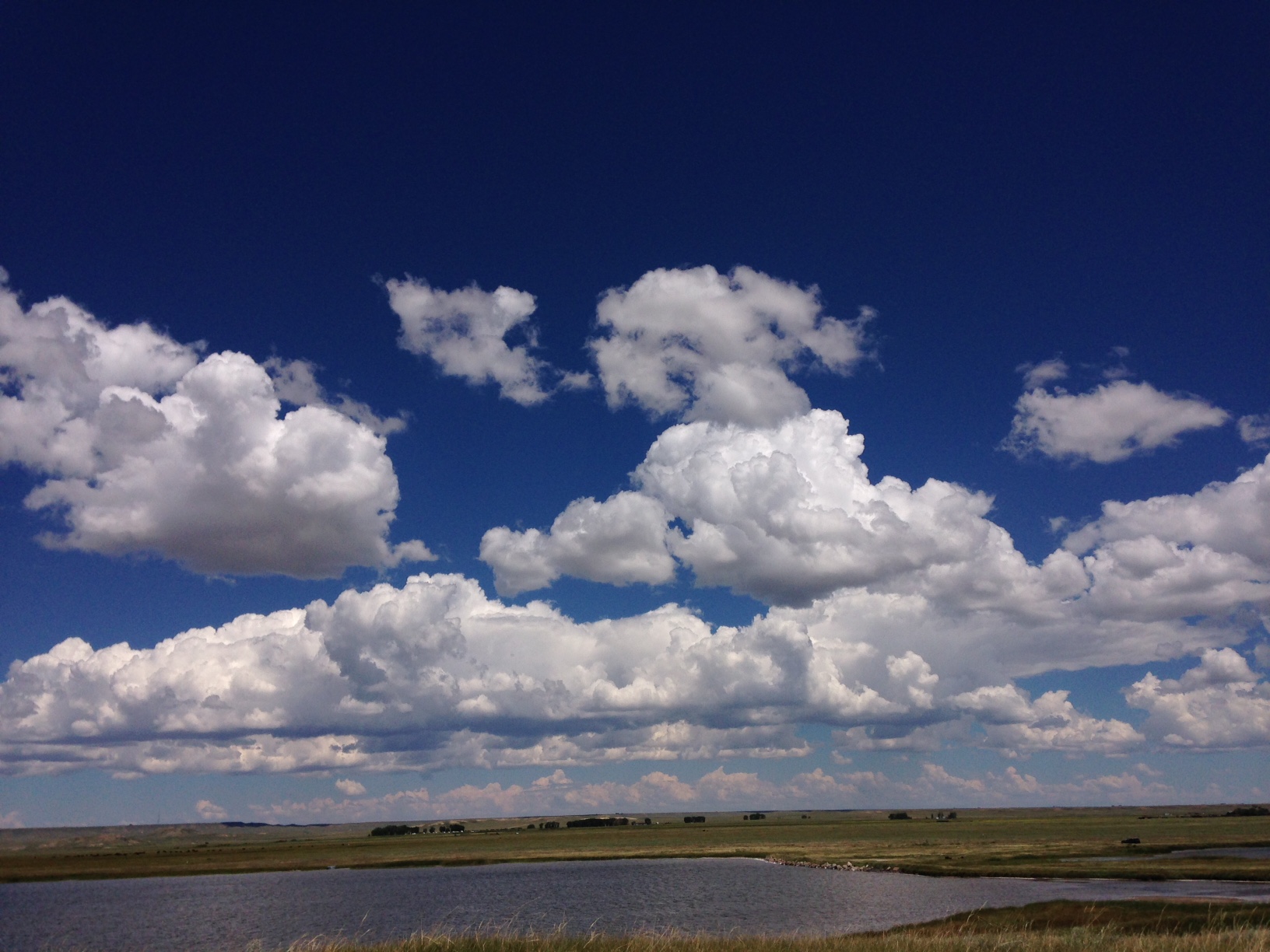
First, I fly into the Denver International Airport, which is followed by a 140-mile road trip to Laramie. The trip is full of spectacular views of mountains, canyons, vast plains, huge clouds and pronghorn antelopes. Sometimes I drive the distance alone but this year I made the trip with three colleagues from different zoos. Each of us is a representative for our respective institution, all sharing the same goal of saving one of North Americas most endangered amphibians, the Wyoming toad.

After a stop for groceries and gas, we arrived at our destination for the next five days – a cabin in this remote area of Wyoming. We’re joined there by most of the other members of the SSP – this year, 10 people stayed at the cabin. Most of us have known each other for some time, so sleeping together in a room full of triple-layered bunk beds seems like a week at camp with old pals. But it’s far more than summer camp – we take part in discussions and updates on a number of important topics such as husbandry, health, management, fieldwork and research on this toad.

The next morning, representatives from the U.S. Fish and Wildlife Service (USFWS) arrived along with the AZA SSP coordinator to begin the meetings. Besides the zoos and aquariums involved, there are two USFWS facilities in Wyoming that hold, breed and release the toads. Many important topics are discussed with the last being choosing captive breeding pairs for 2016.

The Detroit Zoological Society (DZS) breeds these critically endangered Wyoming toads at the National Amphibian Conservation Center (NACC). Since 2001, the DZS has released more than 6,500 Wyoming toads into the wild as tadpoles, toadlets and adults. In 2007, the Detroit Zoo earned the highest honor on the AZA’s list of the Top 10 wildlife conservation success stories for that year.

The population of toads is maintained in special bio-secure off-exhibit rooms of the NACC. We have enough room to breed four pairings each year, and any tadpoles produced by the pairings are shipped out to Wyoming for release into protected wetlands in efforts to create self-sustaining populations.

Like each of the organizations present, I brought detailed notes on every adult toad in our resident population so that the best pairs could be chosen. Captive Wyoming toads need to be of ideal weight and health to take part in a month-long hibernation, followed by a June breeding event. Through the AZA, there is an identified “studbook keeper” who matches toads pairs that are least related and most likely to produce offspring that will be the most genetically fit.

On the second day in Laramie, we received training for the USFWS field surveys. Field surveys are done three times during the warmer months of the year around Mortenson Lake. This lake is the last known area the Wyoming toad lived before it was removed from the wild to protect the species from extinction. It is also the site of past and present releases of captive-produced tadpoles and toadlets. Present-day releases are more protected and provide several topics for research. Members of the SSP have been assisting with the mid-summer field surveys for more than five years and the training is just the beginning of a two- to three-day process to see how many Wyoming toads can be found around the lake.

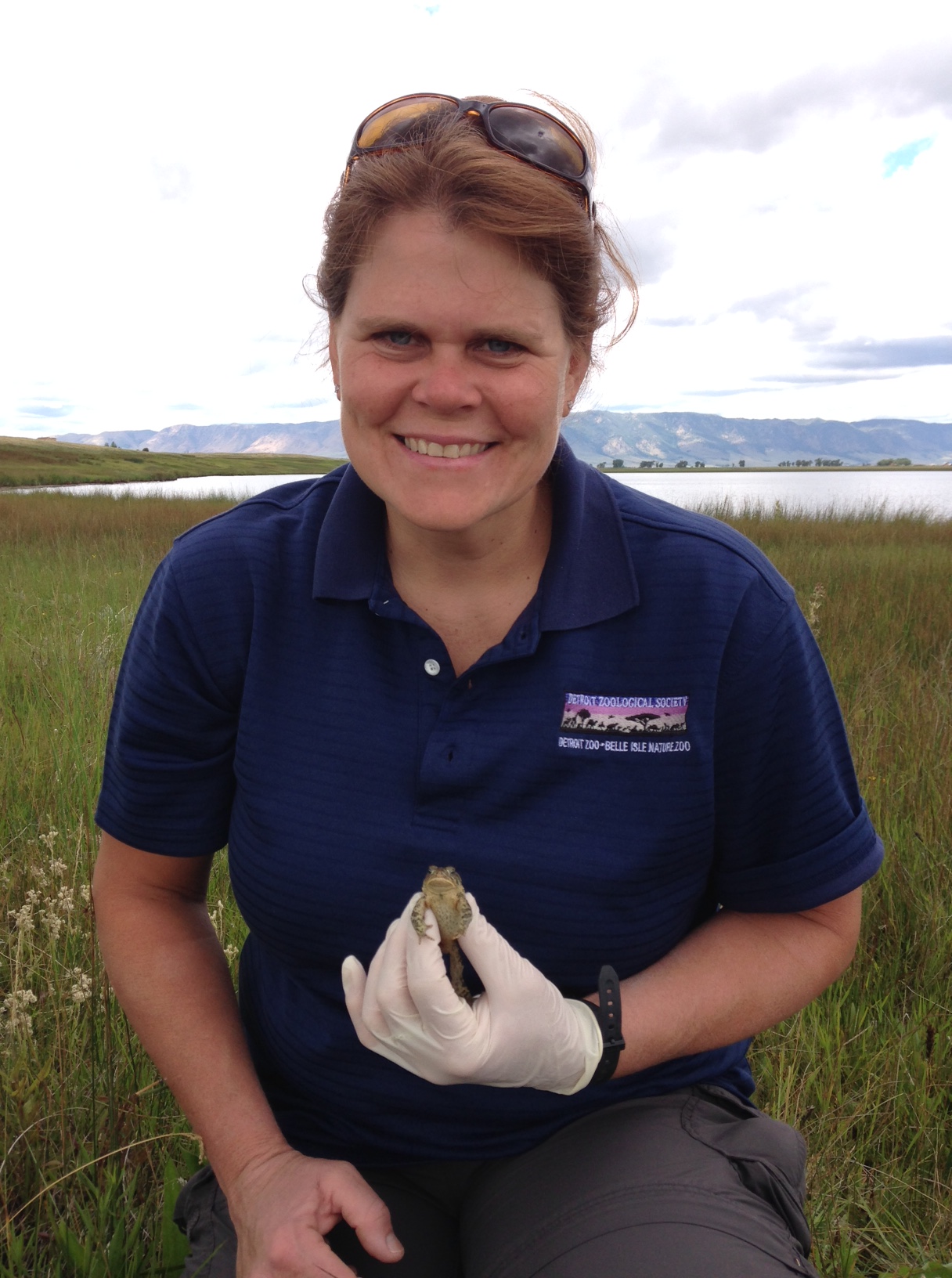
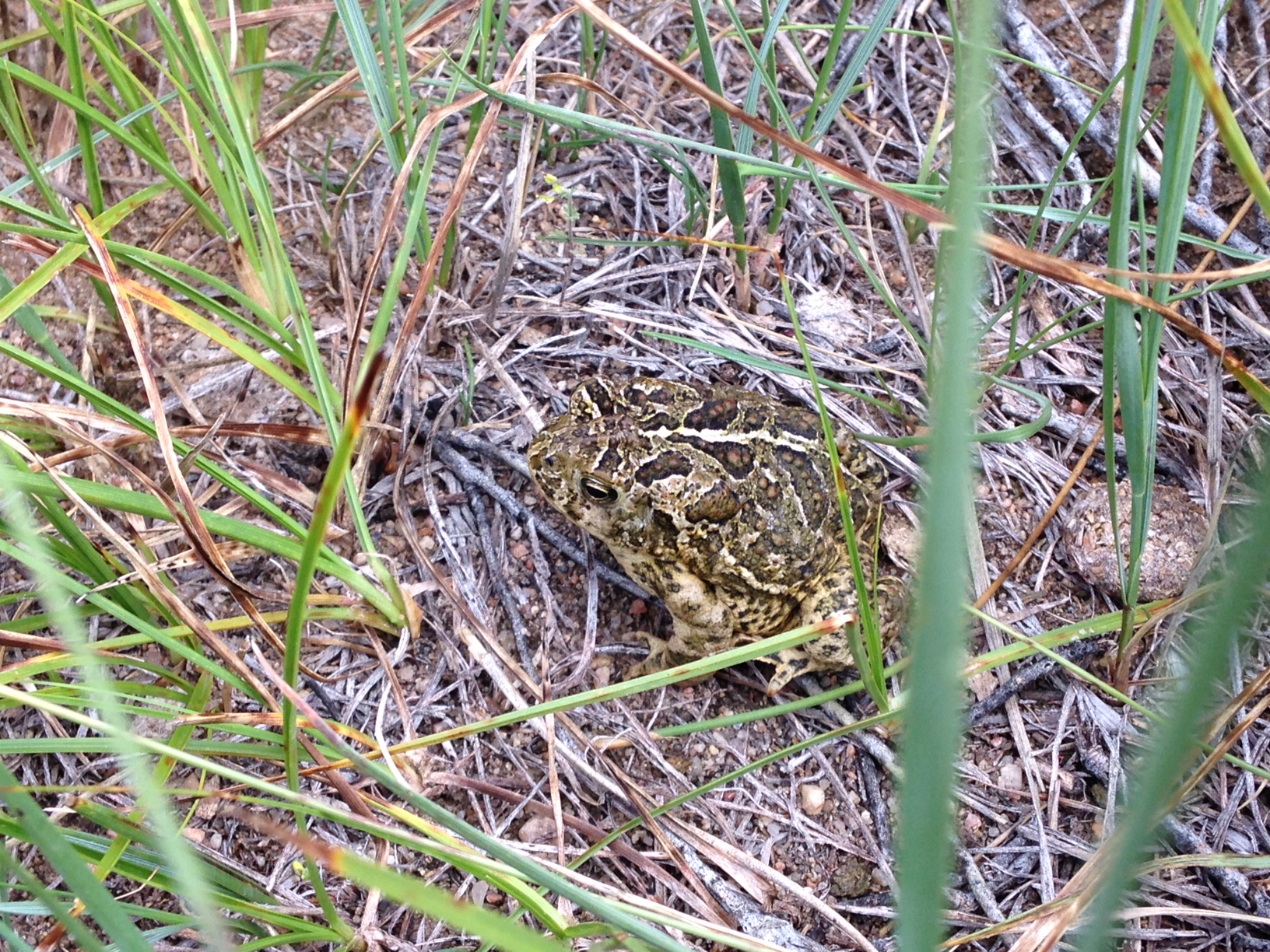
The third and fourth day of my stay is spent almost entirely out in the field surveying for toads around the lake. Teams of two or three people carry backpacks full of equipment for data collection. Each plot must be surveyed in a specific allotted amount of time and by walking in an S-shaped pattern. Toads can be found hiding under grass, sitting on hard-packed sandy areas or swimming near the shore of the lake. If a toad is located, the timer is stopped, and data collection starts. Toads are photographed for identification, weighed, swabbed for disease testing and, if large enough, “microchipped”. It is particularly exciting when an older toad or a toad with an existing microchip is found. This usually means the toad has survived one or more very cold winters and may potentially breed in the lake.

Weeks later, back at the Detroit Zoo, I receive the compiled results of the survey. This year, we located and collected data on 224 toads – 129 toadlets that were captive-born and released into the lake this spring; 29 toads that were captive-born, released last year and survived the winter; 33 adult females and 33 adult males. Until next July, go toads!

– Rebecca Johnson is the associate curator of amphibians for the Detroit Zoological Society.
Notes From the Field: Silence in the Amazon

Hola mis amigas y amigos!

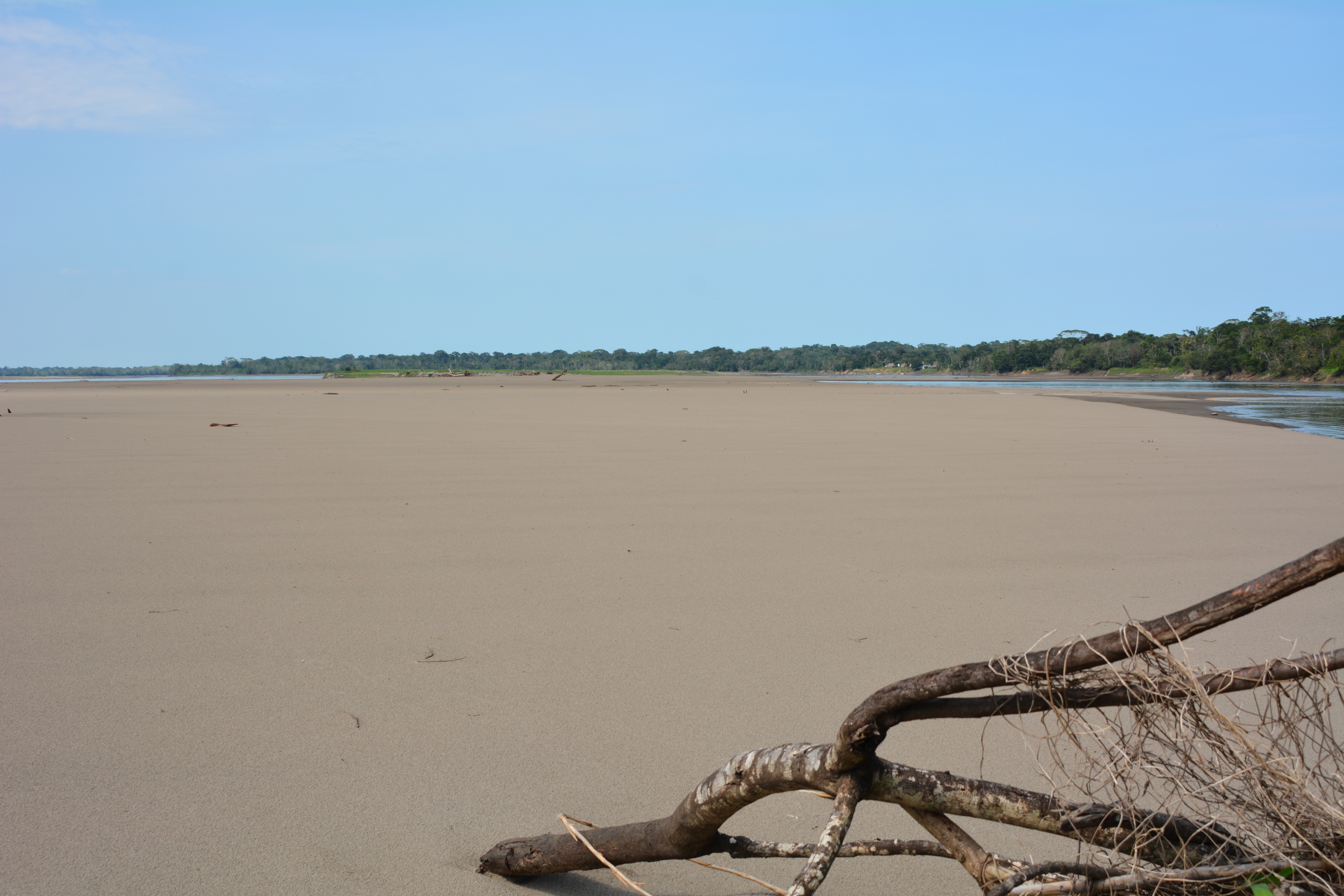
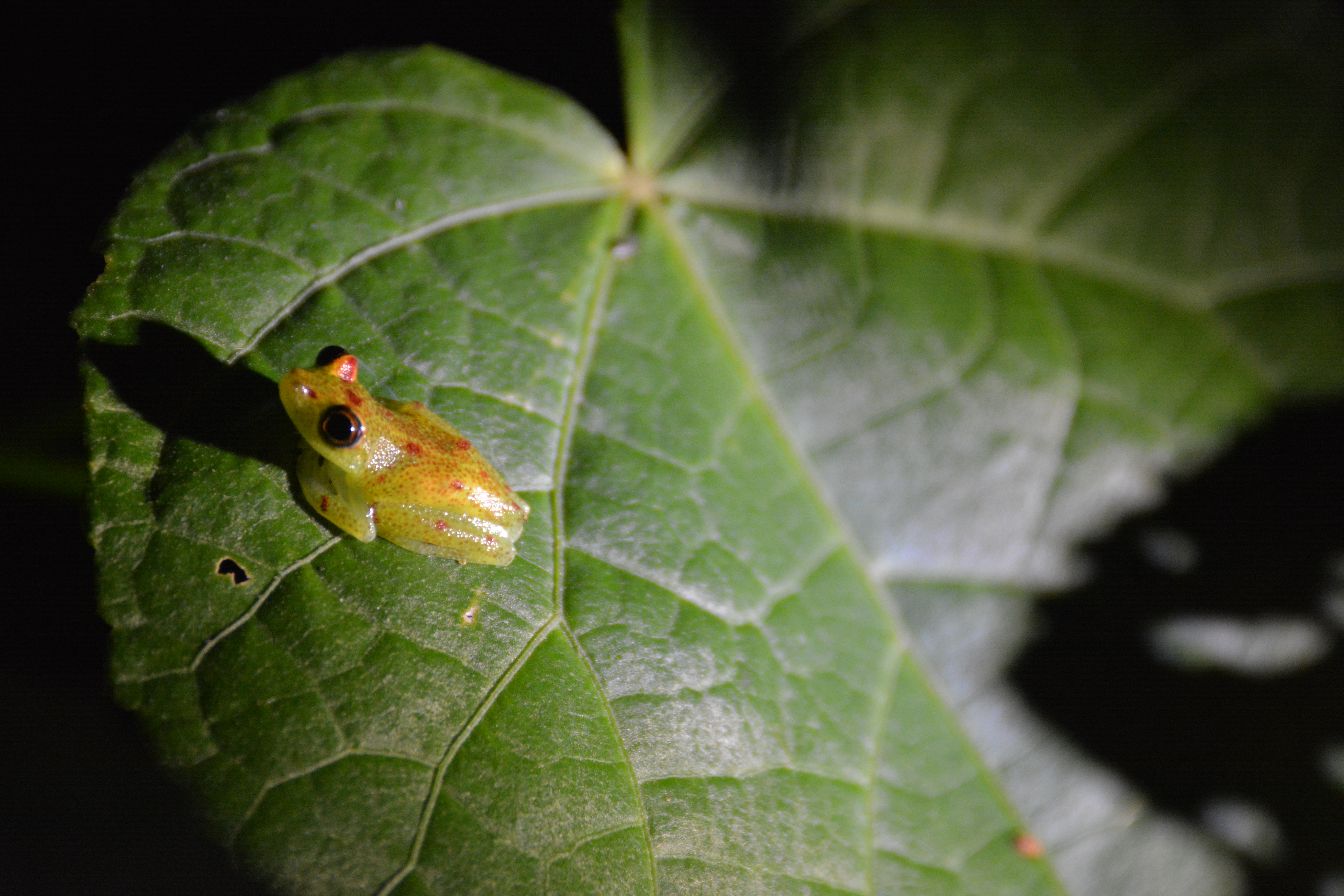
This has been an interesting trip indeed! We can normally get pretty close to the island of Purawa by boat, but this time, we ended up walking on what looked like a desert a mile long! When we finally got to the “green” part, it was equally as dry. We cut a path with a machete for the evening hike and waited for the sun to disappear. We saw some species of amphibians, but none that we would’ve hoped or expected to see. This island is uninhabited and usually has not only a large number of amphibians, but also a lot of different species. We often see an abundance of tree frogs and many smaller species perched in the grasses along the smaller ponds. This time there were almost no tree frogs and only a handful of toads.

Days later, we made plans to meet with the Amazon Amphibian Protectors Club and take them out on a night hike. We have been working with these students for close to five years, and they have such a lovely appreciation for amphibians now, spreading the word to other students in their school. They are always thrilled to participate in an evening trip to learn about amphibians and potentially see different species than what they normally would. We chose an island that was close by the school and looked promising. The children found several toads until the professor announced that she heard rain. It took quite some time to get back to the boat and by then we were experiencing heavy rain and thunder. As we drove back to the school, several fish jumped in our boat. They were similar to what we have as sunfish or bluegill, and small and flat enough that I could toss them back into the water as quickly as they flew into the boat. I was thrilled I could toss them all back, but I may have been the only one that was.I am a third of the way into my travels and have seen and heard less than I would have expected. I have tried to record in the evenings so I can determine if there are other species present. I place a digital recording device in an area where I can already hear calls, so that I can record and download the sounds
later. One night, there was silence – complete silence for what seemed like an hour though it turned out to be only 10 minutes. That is an unusual sound in the rainforest – hearing nothing at all. Lightning and thunder came on quickly, which may explain the brief silence. I was curious before but am now very interested to see what the remainder of the week will be like.

Buenos noches!

– Marcy Sieggreen is the curator of amphibians for the Detroit Zoological Society and is doing fieldwork in Peru, studying amphibians in the lower elevations of the Amazon River to see how they are faring with increased human populations and impacts in their habitats.

Editor’s note: Marcy Sieggreen was the curator of amphibians for the Detroit Zoological Society from 2008 until her passing in 2016. The Detroit Zoological Society established the Sieggreen Amphibian Conservation Fund in Marcy’s memory to continue to advance the work she so passionately championed.

Notes From the Field: Amphibian Diversity in Peru

Hola mis amigas y amigos!

My Peruvian friends have been telling me that the last few months have been very dry, so I had no idea what to expect upon my arrival. I was very surprised to see that the Amazon River was at least 30 or more feet lower than when I was here in March, which could potentially have a huge impact on what amphibians we see. Areas where there would normally be ponds could be completely dry. As you can imagine, I couldn’t wait to get out into the rainforest and see what may be waiting for us.

Unfortunately, my suspicions were accurate and amphibians were much harder to find than usual. Since we monitor some of the same areas year after year, I had a pretty good hunch on where and what I might find in certain areas. When we have time, we always check other areas but our priority is to first survey our research sites. Among many other pieces of data we have been collecting, we are looking at diversity and abundance of species – basically, what types of frogs and toads and how many. This year seems to be the most obvious change, likely, due to the dryness. The humidity levels even felt different – normally my skin stays moist but this time I was using lotion.So far, the most interesting or peculiar sighting was a toad that had climbed a tree. The toad, common to South America, was at least four feet off the ground with no visible easy climbing point. I can hardly wait to see what else we may find!

Buenos noches!

– Marcy Sieggreen is the curator of amphibians for the Detroit Zoological Society and is doing fieldwork in Peru, studying amphibians in the lower elevations of the Amazon River to see how they are faring with increased human populations and impacts in their habitats.

Editor’s note: Marcy Sieggreen was the curator of amphibians for the Detroit Zoological Society from 2008 until her passing in 2016. The Detroit Zoological Society established the Sieggreen Amphibian Conservation Fund in Marcy’s memory to continue to advance the work she so passionately championed.

Notes from the Field: Two Weeks in the Panamanian Jungle

Recently, I found myself trekking through the jungle, holding a machete, in search of the perfect piece of wood. This wasn’t a typical day of work for me with the Detroit Zoological Society (DZS) – I’m usually found in the National Amphibian Conservation Center (NACC) at the Detroit Zoo, changing filters, cleaning misting lines and feeding tadpoles. But on this particular day, I was in El Valle, Panama, a small town situated in the valley of an extinct volcano; the historic home to the Panamanian golden frog (Atelopus zeteki), a species that is critically endangered in the wild.

The DZS has maintained a breeding population of Panamanian golden frogs at the NACC since the year 2000 as part of the Association of Zoos and Aquariums’ Species Survival Plan, a cooperative management program that ensures genetically healthy, diverse and self-sustaining populations of threatened and endangered species. Since I personally care for and breed this delicate species at the Detroit Zoo, it was truly awe-inspiring for me to travel to Panama; to see and experience the tropical cloud forest habitat that was home to the golden frog until the late 1950s, when the last sightings were reported in the area.

Like many amphibian population declines worldwide, the threat to the Panamanian golden frog is a multi-pronged, human-induced sucker punch of climate change, de-forestation and over-collection for the pet trade. Also, a very serious parasitic fungus known as Batrachochytrium dendrobatidis or “chytrid Bd” [ki-trid] became present in the area. This fungus thrives in the environment of a cloud forest and caused a dramatic decline in amphibians through the region.

Despite the thrill of viewing some amazing wildlife on our walk through the Panamanian jungle, I wasn’t there to enjoy the scenery. My purpose in traveling to El Valle was to assist the limited staff at the El Valle Amphibian Conservation Center (EVACC), a small conservation center dedicated to breeding and researching the country’s most endangered amphibians, as well as educating the community in Panama about the amphibians in the area.

For two weeks, I trained the staff at EVACC on habitat design and maintenance. I shared techniques for designing water features, drilling enclosures for bulkhead placement and “propping” habitats – gathering supplies like logs, plants and rocks to create a naturalistic environment. One day was dedicated to removing and replacing an old “roof ” of a habitat planned for golden frogs, which was the size of a living room. Other days involved finding things like sticks, logs and foliage to prop the habitats, and since all of the animals were from the surrounding area, most of what we were collecting could be found and disinfected within the grounds of the conservation center.

The EVACC’s newly designed habitats would be playing an important role in the “Golden Frog Day” in El Valle, a celebration of the magical amphibian that once lived and thrived among the misty forests of the mountains. Without public support in its country of origin, there could be no future for this animal. With newly renovated habitats and the beauty of this vibrantly colored amphibian, visitors to the center can begin to understand the value of this species and the power it holds as members of the community work to conserve it.

A true reward for all of this hard work and training came several days after leaving Panama, when I received an email from EVACC staff informing me that they had drilled their first tank and were using techniques that I taught them to install a new waterfall feature. While I had ditched my machete and my head lamp, no longer needing to trek into the jungle for my work with the Panamanian golden frogs at the Detroit Zoo, I know that the work we are doing some 4,000 miles away from their home is just as critical to the survival of this incredible species.

– Mark Vassallo is an amphibian department zookeeper for the Detroit Zoological Society.