Notes From the Field: Martens in Manistee

Paul Buzzard, Ph.D., is the director of conservation for the Detroit Zoological Society.

I recently returned to northern MichiganFile photo with staff from the Detroit Zoological Society (DZS), Grand Valley State University (GVSU), and Busch Gardens to continue studying the behavioral ecology and conservation of American martens. American martens are small carnivores that are weasel-like and largely arboreal, which means that they live in trees. They were hunted out in Michigan’s Lower Peninsula by the early 1900’s and reintroduced to the Manistee National Forest nearly 30 years ago.
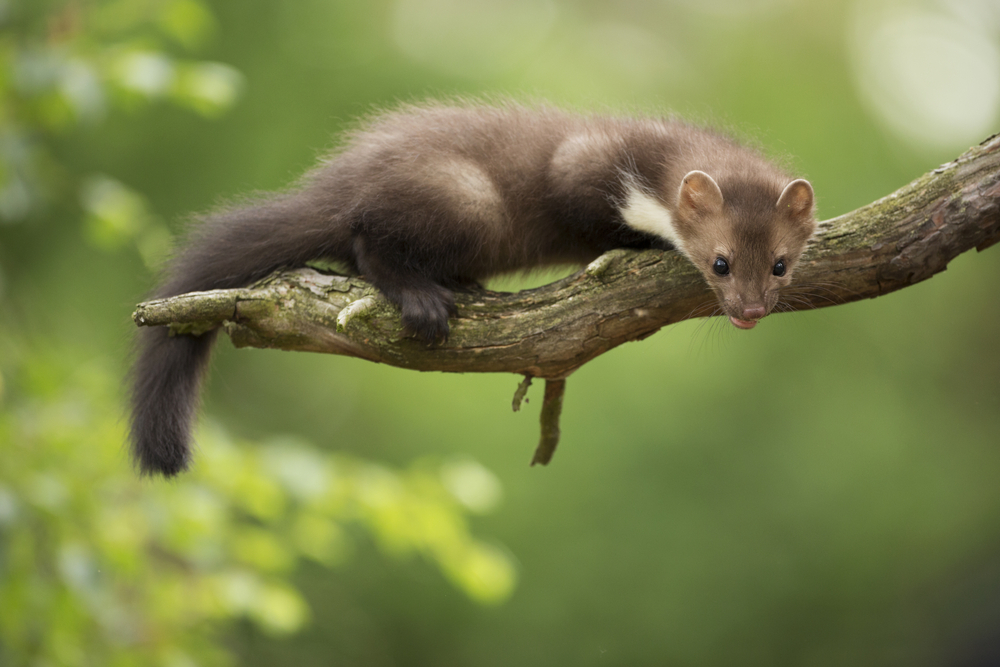
We are studying the success of marten reintroduction by looking at marten health, survival of their offspring, known as kits, and habitat use. These data will be used to see how the forest can be better managed by the U.S. Forest Service to benefit martens.
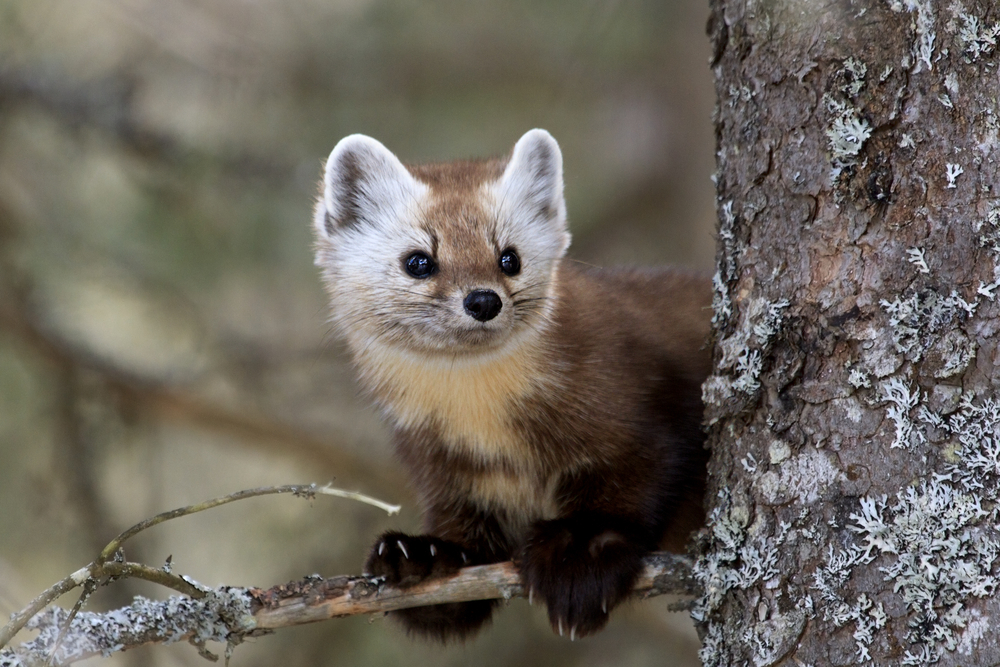
File photo DZS veterinarians have helped in the past to put radio-telemetry collars on the martens to track their locations. However, this technique, which involves capturing the martens in live traps, is very labor-intensive, and only provides information on marten locations a few times per week. The DZS provided funds for GPS collars that use satellite positioning data to record marten locations every half hour and gather much more accurate information on marten ranging and habitat use. In fact, we’ve been able to retrieve data from one of the collared martens and it is giving us great information on how the marten is using his habitat.

During this visit, our task was to help set the live traps with venison as a tasty treat for the martens and placing a stinky concoction called “Gusto” around the traps to attract martens from far away. We captured one marten, but as it turns out, that marten had been previously collared. This marten was special, however, because it had been orphaned and fed by GVSU students until its independence. The marten’s mother had been found dead on the side of the road, so the students decided to catch mice and leave kitten chow for the young martens left behind until they reached adulthood.

We also had the opportunity to follow two other martens wearing radio-telemetry collars. We were able to see the tree dens they were using and observe the martens high up in the trees. All in all, it was a wonderful trip.

– Paul Buzzard

Notes from the Field: Two Weeks in the Panamanian Jungle

Recently, I found myself trekking through the jungle, holding a machete, in search of the perfect piece of wood. This wasn’t a typical day of work for me with the Detroit Zoological Society (DZS) – I’m usually found in the National Amphibian Conservation Center (NACC) at the Detroit Zoo, changing filters, cleaning misting lines and feeding tadpoles. But on this particular day, I was in El Valle, Panama, a small town situated in the valley of an extinct volcano; the historic home to the Panamanian golden frog (Atelopus zeteki), a species that is critically endangered in the wild.

The DZS has maintained a breeding population of Panamanian golden frogs at the NACC since the year 2000 as part of the Association of Zoos and Aquariums’ Species Survival Plan, a cooperative management program that ensures genetically healthy, diverse and self-sustaining populations of threatened and endangered species. Since I personally care for and breed this delicate species at the Detroit Zoo, it was truly awe-inspiring for me to travel to Panama; to see and experience the tropical cloud forest habitat that was home to the golden frog until the late 1950s, when the last sightings were reported in the area.

Like many amphibian population declines worldwide, the threat to the Panamanian golden frog is a multi-pronged, human-induced sucker punch of climate change, de-forestation and over-collection for the pet trade. Also, a very serious parasitic fungus known as Batrachochytrium dendrobatidis or “chytrid Bd” [ki-trid] became present in the area. This fungus thrives in the environment of a cloud forest and caused a dramatic decline in amphibians through the region.

Despite the thrill of viewing some amazing wildlife on our walk through the Panamanian jungle, I wasn’t there to enjoy the scenery. My purpose in traveling to El Valle was to assist the limited staff at the El Valle Amphibian Conservation Center (EVACC), a small conservation center dedicated to breeding and researching the country’s most endangered amphibians, as well as educating the community in Panama about the amphibians in the area.

For two weeks, I trained the staff at EVACC on habitat design and maintenance. I shared techniques for designing water features, drilling enclosures for bulkhead placement and “propping” habitats – gathering supplies like logs, plants and rocks to create a naturalistic environment. One day was dedicated to removing and replacing an old “roof ” of a habitat planned for golden frogs, which was the size of a living room. Other days involved finding things like sticks, logs and foliage to prop the habitats, and since all of the animals were from the surrounding area, most of what we were collecting could be found and disinfected within the grounds of the conservation center.

The EVACC’s newly designed habitats would be playing an important role in the “Golden Frog Day” in El Valle, a celebration of the magical amphibian that once lived and thrived among the misty forests of the mountains. Without public support in its country of origin, there could be no future for this animal. With newly renovated habitats and the beauty of this vibrantly colored amphibian, visitors to the center can begin to understand the value of this species and the power it holds as members of the community work to conserve it.

A true reward for all of this hard work and training came several days after leaving Panama, when I received an email from EVACC staff informing me that they had drilled their first tank and were using techniques that I taught them to install a new waterfall feature. While I had ditched my machete and my head lamp, no longer needing to trek into the jungle for my work with the Panamanian golden frogs at the Detroit Zoo, I know that the work we are doing some 4,000 miles away from their home is just as critical to the survival of this incredible species.

– Mark Vassallo is an amphibian department zookeeper for the Detroit Zoological Society.

Notes from the Field: The Importance of One

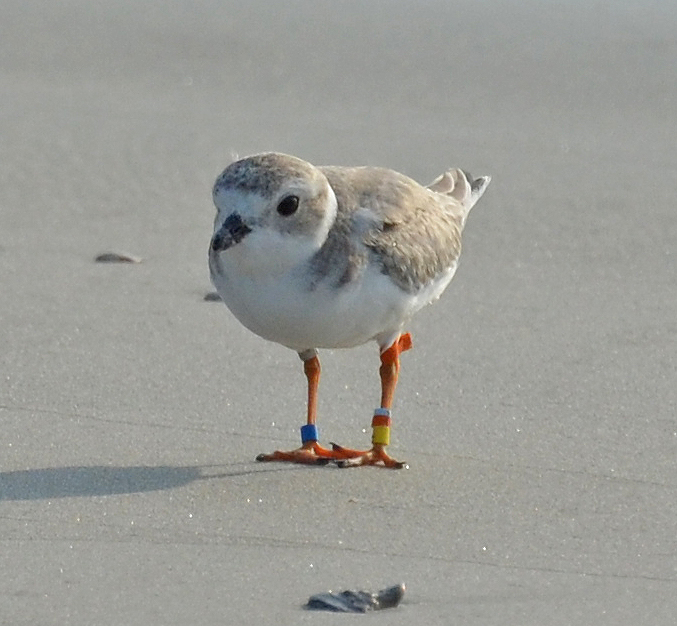
From his first moments on Earth, a tiny piping plover nicknamed Smalls required round-the-clock care. He had difficulty hatching, experienced issues with his umbilical cord, developed a crooked toe, and caregivers were concerned he may have eye problems. He also remained quite small for his age as the days and weeks went on. Those who cared for him did so with determination as they focused on his recovery and development. Despite his many physical setbacks, Smalls survived, and has become a symbol of the power and importance of one.

Smalls is a part of a Detroit Zoological Society (DZS)-led conservation effort and captive-rearing program that is focused on increasing the population of piping plovers, an endangered species of shorebirds. Abandoned eggs are delivered to the University of Michigan Biological Station in Pellston, Mich., and the DZS oversees field workers from the Detroit Zoo and other Association of Zoos and Aquarium institutions who staff the facility May through August, monitoring the incubation period and caring for the chicks after they hatch. Once they are able to fly after about four weeks, the birds – that would have otherwise perished – are banded and released into the wild. As they migrate to their wintering grounds, the plovers are identified by birders and photographers who report their findings to the U.S. Fish and Wildlife Service.

This summer, seven piping plover chicks were released from northern Michigan, and five have since been spotted by birders – one in South Carolina and four in Florida. DZS staff were especially thrilled to discover that Smalls was among those identified – he was photographed earlier this month by Pat and Doris Leary on a beach on Little Talbot Island in Florida. This tiny piping plover represents the importance of one and the DZS’s commitment to all the “ones” in its care, whether they are endangered or not. In Smalls’ case, being a part of an endangered species makes his significance even greater, since every individual is important to the recovery of Great Lakes piping plovers.

The Great Lakes population of piping plovers is now at 73 breeding pairs, setting a record of the highest number of wild pairs since the plovers were put on the endangered species list in 1985. The 207 captive-reared birds from the DZS program and their descendants have made a significant contribution to this small population.

For more information about the work being done by DZS and its collaborators, visit the Great Lakes Piping Plover Recovery Effort’s website, Facebook and Twitter.

Notes From the Field: Siamese Crocodile Hatchlings

Paul Buzzard, Ph.D., is the director of conservation for the Detroit Zoological Society.

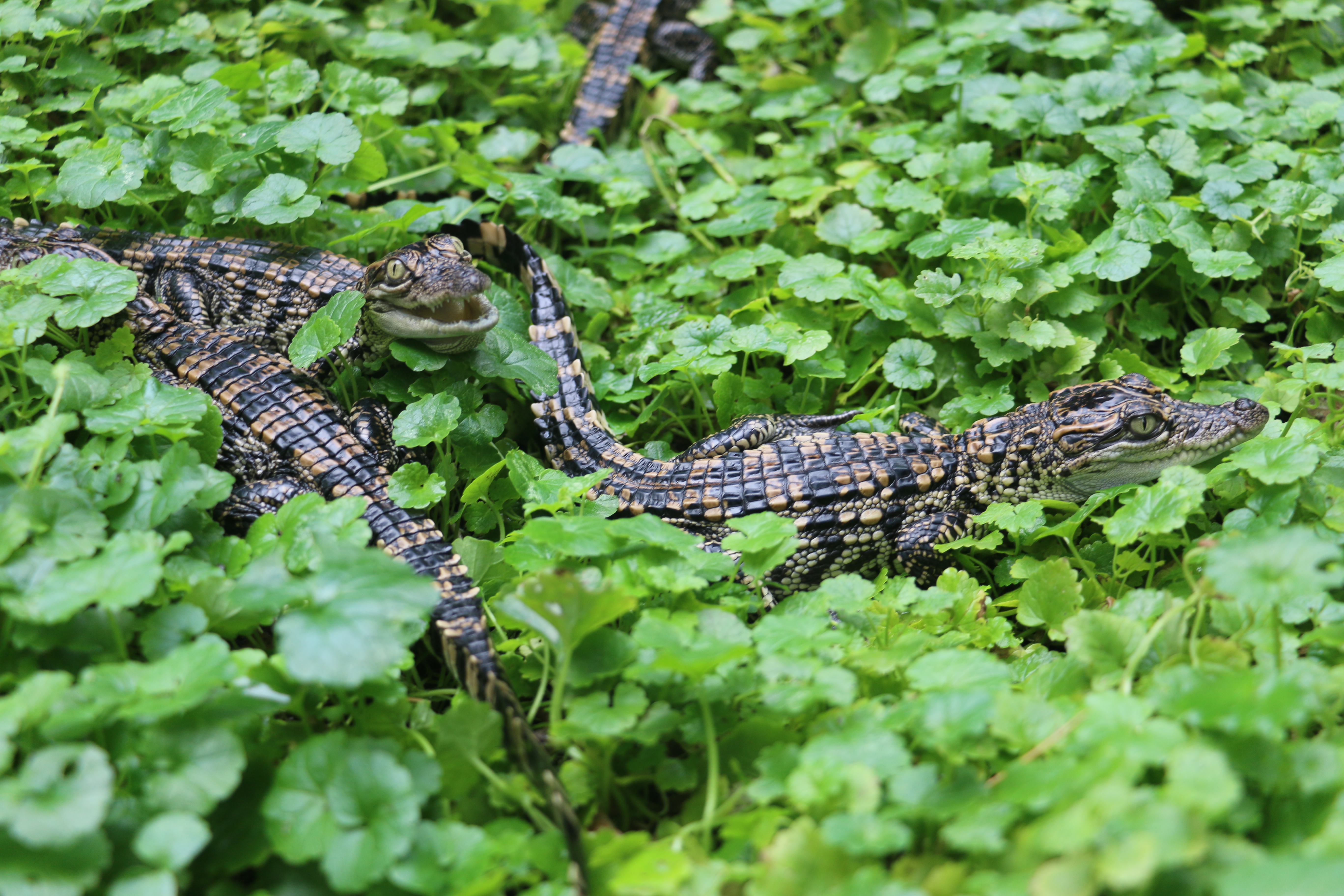
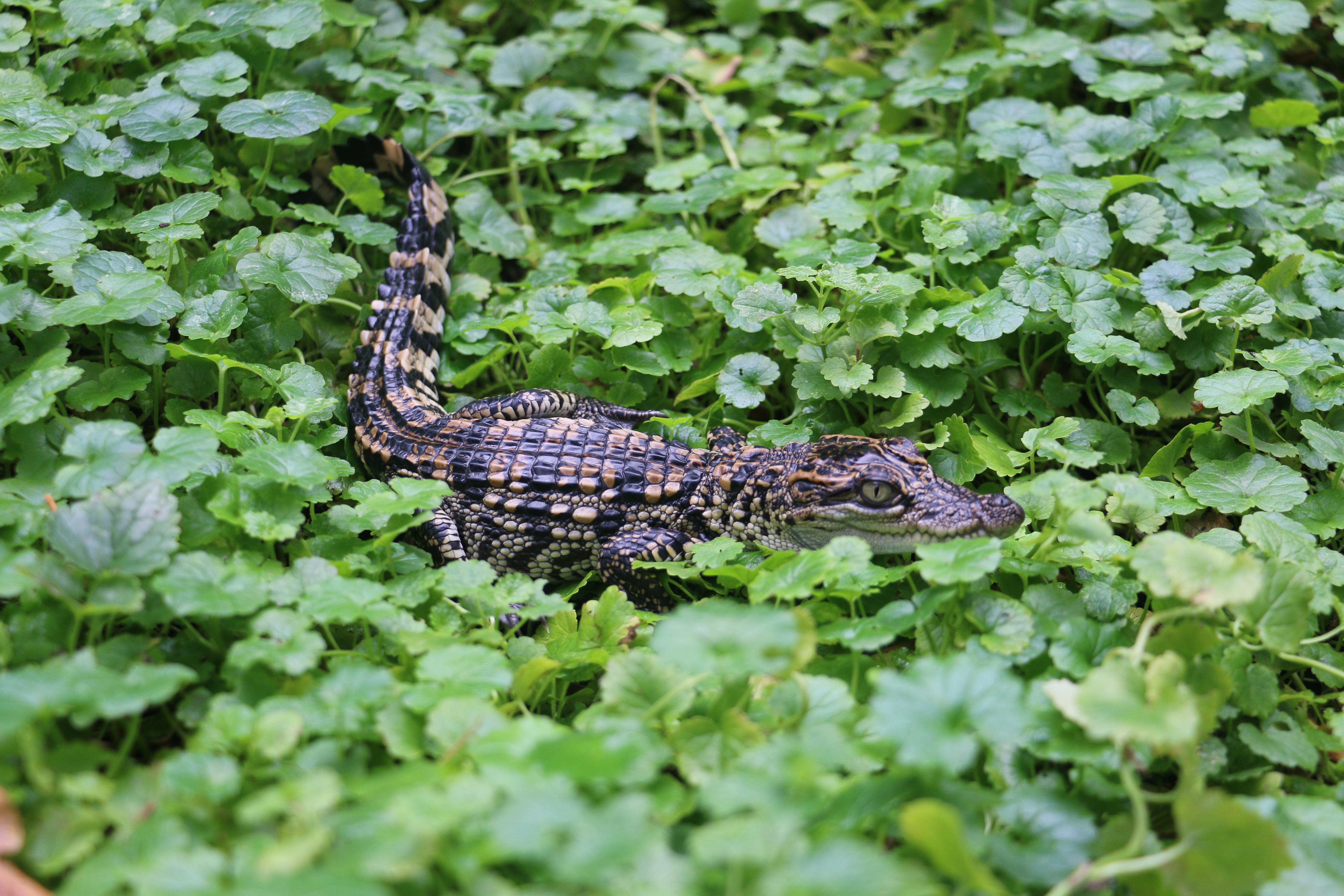
We are very happy to report that 10 Siamese crocodiles recently hatched at the Detroit Zoo and will soon be released into the wild in Cambodia. The Siamese crocodile is one of the most endangered species of crocodile in the world, and was thought to be functionally extinct in the wild until the year 2000, when a small population was found in the highlands of southwest Cambodia. Now a total of around 250 Siamese crocodiles are believed to remain in three sub-populations. But it is still necessary to bolster the wild population so it can be sustainable into the future.

With Siamese crocodiles at zoos, there is sometimes a concern that there has been previous mating with other crocodile species, but genetic testing of the Siamese crocodiles at the Detroit Zoo confirmed that they are genetically pure and could be included in the Siamese Crocodile Species Survival Plan (SSP). An SSP is a program of the Association of Zoos and Aquariums, which strives to manage and conserve species populations in zoos and aquariums to ensure the sustainability of healthy, genetically diverse, and demographically diverse populations.

When suitable areas are available within the natural habitat of a species, individuals from SSP programs can sometimes be returned to the wild. The young crocodiles from the Detroit Zoo will be raised for several months by an adult crocodile pair at the St. Augustine Alligator Farm Zoological Park in Florida while permits are arranged for them to be released into protected areas of Cambodia.

– Dr. Paul Buzzard

Greenprint: Back-to-School Sustainably

Beth Wallace is the manager of sustainability for the Detroit Zoological Society.

Back-to-school time can be exciting but also stressful when you’re staring down the lists of needed school supplies. According to the 2014 Google report card, back-to-school is now the second-largest retail event of the year. When making our purchases, several factors can come into play, like the latest trends or cost-saving, but now is the time to instill in our children – even college students – that sustainability should always play a key part in consumer decision-making.

  • First and foremost, take stock in what you have from the previous school year and try to reuse supplies as much as possible. The most important part of this action is to communicate with your kids about why it is important to reuse as much as possible. It not only saves your family money, but you’re helping consume less, which helps to protect the environment. Also consider donating any unwanted, lightly used school gear and/or winter wear to a local charity or school that accepts materials for the upcoming school year.
  • For any purchases you need to make, always consider the environmentally responsible goods first. Look for binders made from recycled plastic and notebooks made from recycled or FSC (Forest Stewardship Council) paper. Below are key symbols to keep in mind:

Screen Shot 2015-08-26 at 10.32.37 AMlogo - 100recycledmateriallogo - scs_certified  logo - FSClogo - scs_responsiblesource_fcp


  • Pack a sustainable lunch that focuses on reusable options. Check out the Detroit Zoological Society’s ZooperHero waste-free lunch guide.
  • If your home is not along the school bus route, or public transportation is not an option, consider setting up a car pool with other classroom parents or even a bike route.
  • Encourage your school to take up composting or to create a certified habitat. The National Wildlife Federation has a great certification program that also provides how-to-guides.

Please share your sustainable back-to-school photos in social media and tag @detroitzoo on Instagram, Facebook or Twitter.

– Beth Wallace

Notes From the Field: Conserving Common Terns

Paul Buzzard, Ph.D., is the director of conservation for the Detroit Zoological Society.

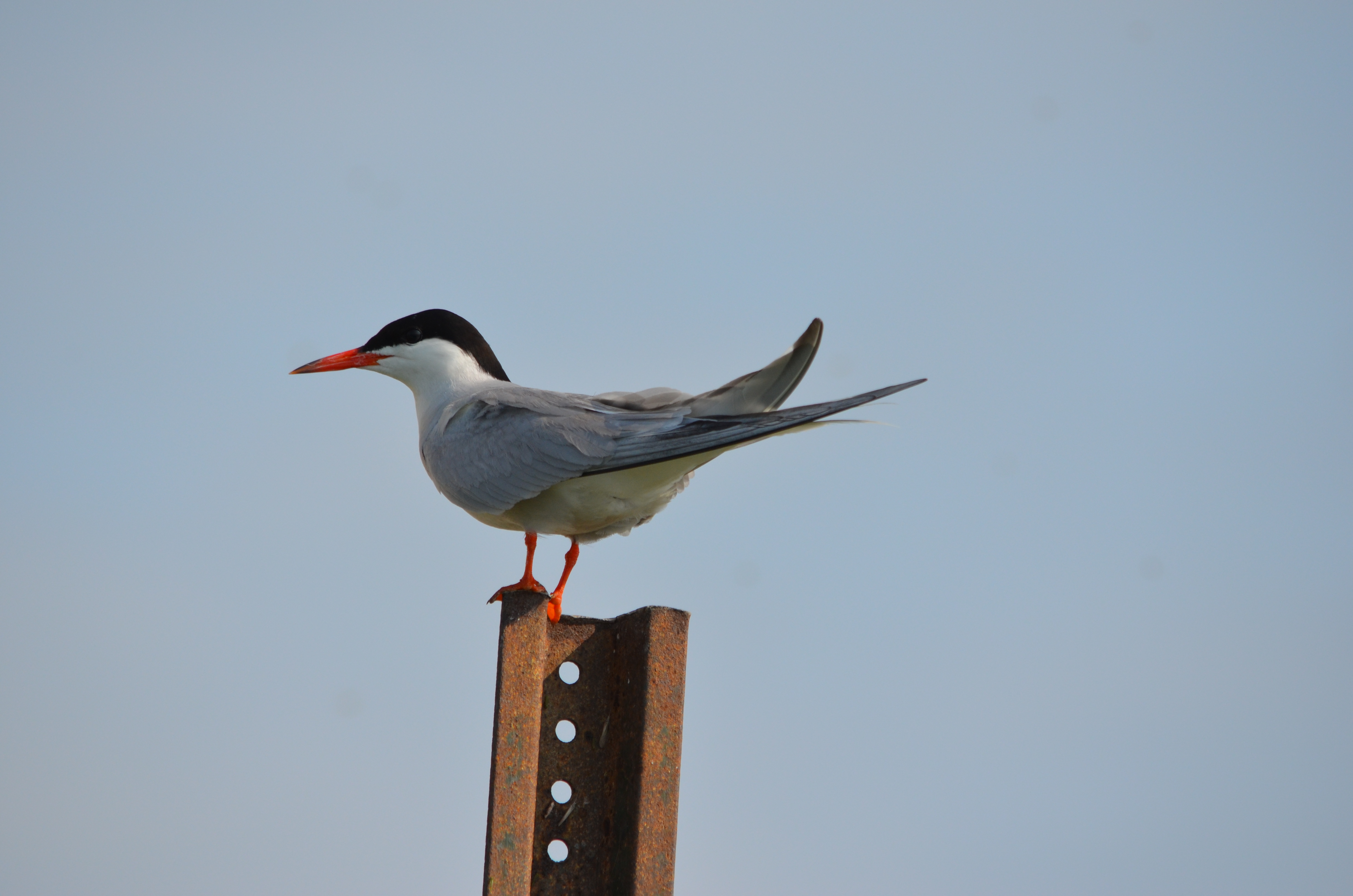
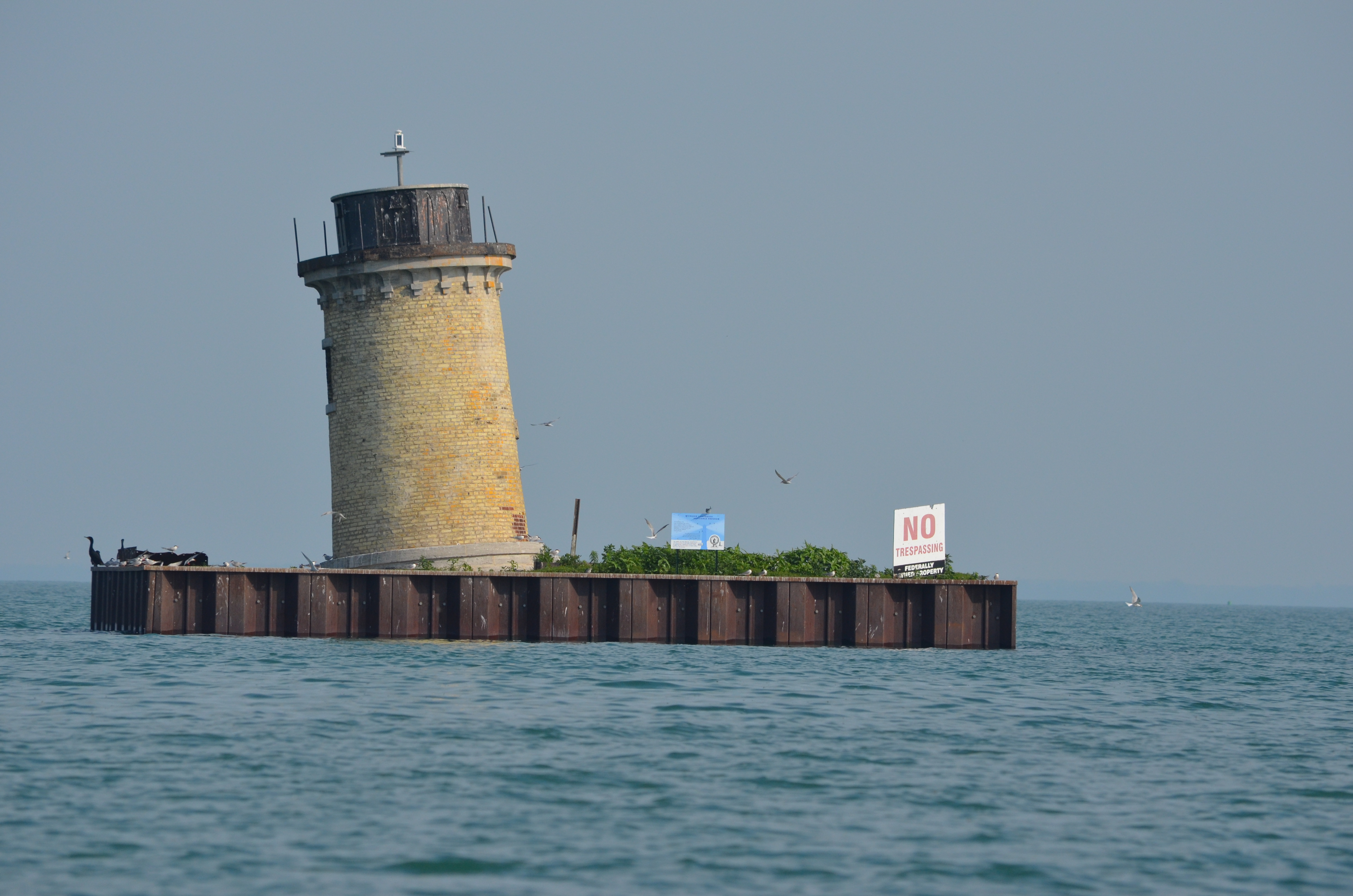
Since 2007, the Detroit Zoological Society Photo by Cher Fajardohas been working to restore the population of common terns on the Detroit River, and more recently on Lake St. Clair. DZS staff monitor, improve and create suitable nesting habitats respectively on Grosse Ile, Belle Isle and the restored lighthouses on Lake St. Clair through a partnership with the Save Our South Channel Lights organization. Each year, staff members also attach colored leg bands to common tern chicks to monitor their movements in the Great Lakes.

Photo by Cher FajardoIn early July, several staff members successfully attached leg bands to more than 30 chicks at one of the lighthouses on Lake St. Clair. Gathering the flightless chicks is a hazardous time for staff as the adult terns swoop down to protect their young. Amid the squawking adult terns, DZS staff quickly and gently placed several chicks at a time into small holding corrals. Other staff then attached leg bands promptly and efficiently to avoid undue discomfort to the chicks. The chicks were then released close to where they were collected to avoid additional stress. A total of 118 chicks have been banded by DZS staff over the last two years.

This year, with water levels especially high Photo by Cher Fajardoin the Great Lakes, some common tern nesting sites have been flooded out. Thus, the nesting sites at the Lake St. Clair lighthouse and also on Belle Isle are particularly important. DZS staff have improved the habitat at both of these areas by clearing vegetation and, in the case of the Belle Isle colony, establishing a predator-proof fence. So far this season, two common tern chicks have fledged (reached sub-adulthood) at Belle Isle. In addition, the first chick from Belle Isle was banded. In the past several years, only one common tern chick has fledged at Belle Isle.

This year’s high water has also delayed the life cycles of many animals – including common terns – and more than 100 eggs still remained to hatch when we banded the first chicks on July 1. DZS staff will continue banding and monitoring to enhance common tern conservation.

– Paul Buzzard

Veterinary Care: Educating Future Vets

Dr. Ann Duncan is the chief veterinarian for the Detroit Zoological Society.

Earlier this month, the Detroit Zoological Society’s veterinary team had the opportunity to work with a wonderful group of seventh graders, as we helped them explore their interest in veterinary medicine. This was the second summer that we’ve worked with our talented education department to offer this very special Summer Safari Camp experience. During this particular weeklong camp, the students learn about zoo medicine in general, hear stories about the babies we’ve cared for in our nursery, and practice placing a bandage on a limb (of a stuffed animal). They also spend some time in our laboratory to see how blood, urine, feces and other samples can provide valuable information about an individual’s health.

Summer Safari Vets 3To put into practice what they learned during camp, we challenged the students with a weeklong (pretend) case involving a female otter. The students met with a zookeeper to gather a complete medical history, and then helped develop a diagnostic plan, interpreted bloodwork and radiographs and ultimately made the decision that the otter needed surgery. To prepare for “surgery”, the students practiced their surgical and suturing skills on bananas. On the last day of camp, we invited the students to the surgical suite in the Ruth Roby Glancy Animal Health Complex. There, we showed them how they would prepare themselves and their patient for surgery and how to carefully handle surgical instruments. After our student surgeons made a delicate abdominal incision on our stuffed otter “patients”, each student was able to explore the abdomen to find a coin foreign body. Then, each student placed several sutures in both the deep “tissues” and “skin”, just like real surgeons!! And of course, all of the otters made a full recovery after their efforts.

It was fun to work with the students Summer Safari Vets 2throughout the week. They were very attentive and engaged during camp, and it was very rewarding to watch their curiosity and skills grow during their time at camp. Even if these students decide that veterinary medicine is not the career for them, I am confident that their interest in medicine and in providing the best care for animals will be lasting.

– Dr. Ann Duncan

Education: Playing with Nature

Claire Lannoye-Hall is a curator of education for the Detroit Zoological Society.

In a day and age when kids and families are spending more screen time than outdoor time, the Detroit Zoological Society is working on a project to create an outdoor space your kids won’t be able to pass up!

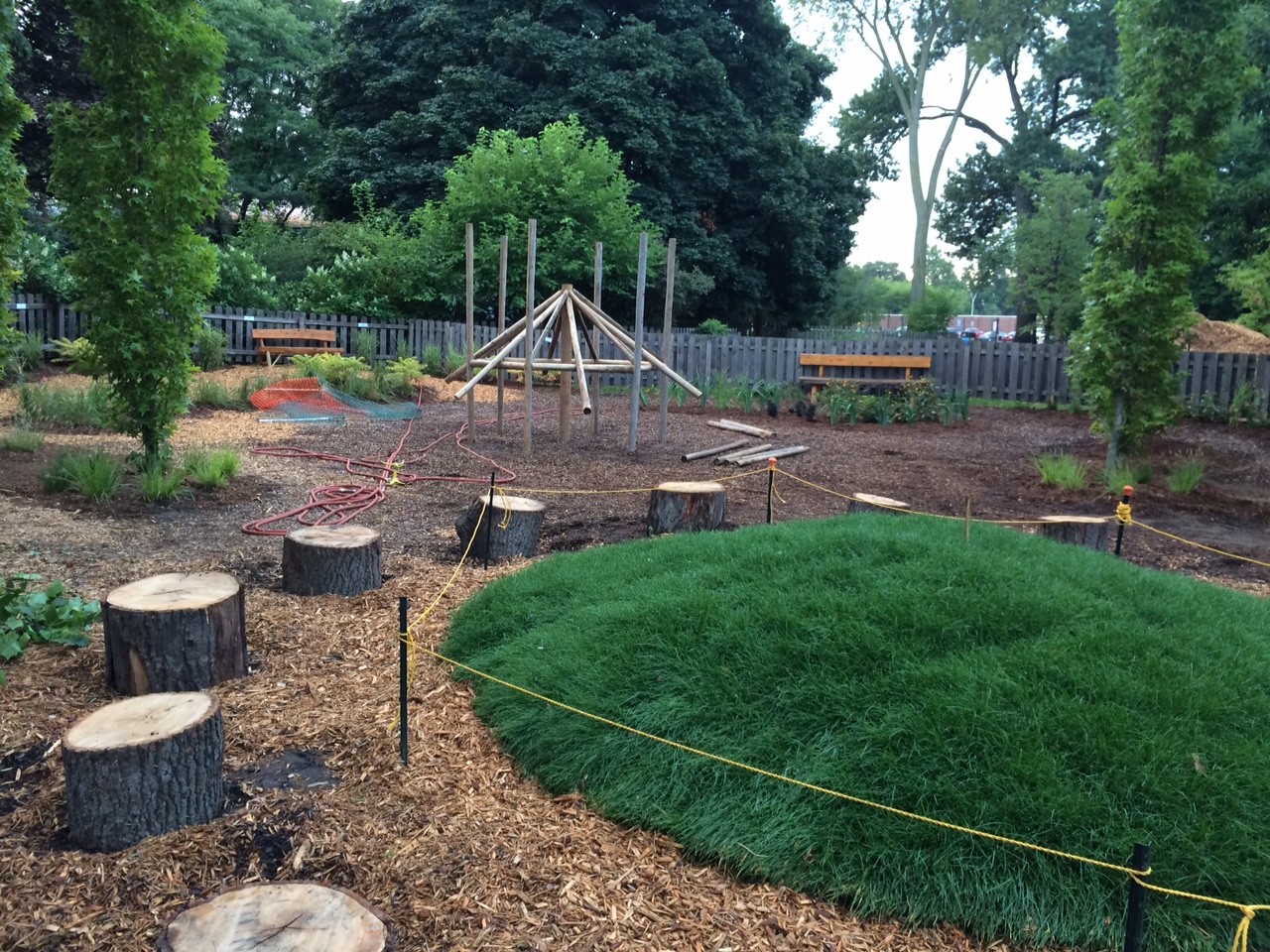
The previous play areas at the Detroit Zoo were both retired over the past two years and a new play structure was installed in the Main Picnic Grove. Our landscape team has done a tremendous job of enhancing and adding to the play area by landscaping with native plants and installing log steppers, toad stools and climbing rocks for kids to play on.Photo by Stephen Bernard

The adventure will continue as we include more natural play opportunities in the area directly east of the play structure. Kids will be able to climb through a spider web, relax in a giant bird nest, crawl through animal burrows and engage in imaginative play throughout the area. Native flowers and trees provide shady spots and smaller pockets for kids to have quiet areas to play in while parents can still easily keep an eye on all the activity from the comfort of benches.Photo by Ashley Boylan

We’re really excited about this new play space and we hope you’ll visit us early this fall to experience all it has to offer!

– Claire Lannoye-Hall

Greenprint: Lessons from the Storm

Beth Wallace is the manager of sustainability for the Detroit Zoological Society.

One year ago this month, the metro Detroit area went through some of the worst flooding in recent history when a sudden storm dumped more than 4.5 inches of rain on the region, overwhelming sewer systems and causing an estimated $1.1 billion worth of damage.

Heavy rains like this record-breaking event can have serious impacts on infrastructure – sewer overflows, pollution runoff and flooding. The Detroit Zoo experienced major flood damage during this storm, which forced us to close for a day as we evaluated systems and began cleanup efforts and repairs. It became apparent that we needed to find a better way to manage large rain events, so we started to incorporate a form of green infrastructure, called porous pavement, into major projects.

Pervious paving

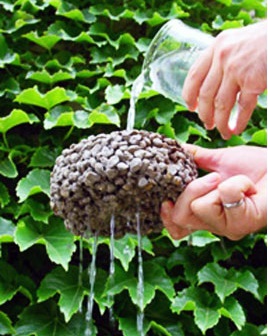
Porous pavement is a material that encourages water to percolate through the surface into the ground for natural absorption. By incorporating this surface throughout the Zoo, we’re encouraging more natural absorption of water into the environment, which lessens our need for irrigation. It also prevents excess water from entering the Detroit sewer system. In addition, we have chosen a permeable surface that is light in color to reduce our urban heat island effect – a phenomenon whereby a warmer envelope of air exists over urbanized areas due to human activity – which will decrease ambient temperature to improve air quality and the health of nearby plants.Pervious pavement

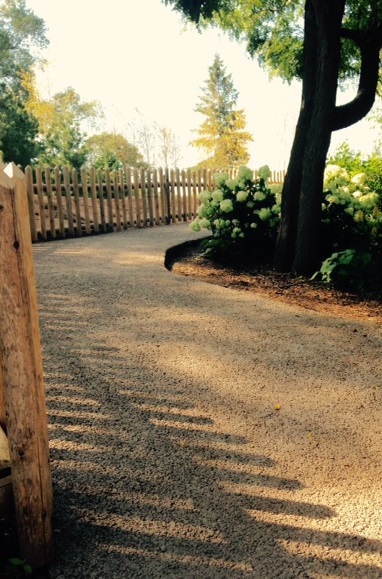
Porous pavement can be in the form of brick pavers, gravel, porous concrete or even recycled rubber or glass. When you visit the new Cotton Family Wolf Wilderness, notice the colorful pathways of porous pavement. In addition, once the Polk Penguin Conservation Center opens in early 2016, the nearby parking lot will be made with porous material.

Join us on this green journey – next time you consider resurfacing your driveway or pathways, consider this application to help lessen your impact on the environment.

– Beth Wallace

Veterinary Care: Return of the Osprey

Dr. Ann Duncan is the Chief Veterinarian for the Detroit Zoological Society.

In 1998, the Detroit Zoological Society (DZS) Ospreystarted providing veterinary assistance as part of a collaborative effort to reintroduce ospreys, a fish-eating raptor, to southeastern Michigan. The Department of Natural Resources, Kensington Metropark, the DZS and DTE worked together to help this majestic species return to the area after being impacted by use of the pesticide DDT. Ospreys had historically been found in our area, but there were no known nesting pairs in southeast Michigan when the project was initiated.

Between 1998 and 2007, osprey chicks were brought down from northern Michigan, raised in elevated platforms on lakes and released at Kensington Metropark, Berry County and Stony Creek Metropark. All chicks were banded so that they could be identified by a network of volunteers and biologists devoted to their monitoring and recovery. At the end of the summer, these chicks then migrated to their winter grounds in South America and, after reaching maturity returned to the place in southeastern Michigan where they fledged, or began flying and feeding on their own. The first chick returned in 2002, and numbers have increased steadily since that time.

This year, there are more than 30 nesting pairs in southeast Michigan, most choosing to nest in cell towers. There is now a self-sustaining population of ospreys in the southern half of the Lower Peninsula. Beginning last year, funding was secured to fit a few of the chicks with backpack transmitters that send a GPS signal and allow the birds’ migration patterns to be tracked.

Ospreys - Banding at KensingtonThe DZS was initially involved in helping to feed and care for the chicks in the towers; we spent time monitoring the chicks in their nests and providing food, nutritional supplements and veterinary care. Now that we are no longer moving osprey chicks from northern Michigan, our involvement is limited to conducting exams and collecting blood samples for health monitoring and gender determination of the chicks produced by our now resident ospreys.

Over the years, the chicks have generally been incredibly healthy and robust. A few have been slightly dehydrated and some have had parasites, but none have had serious medical issues. It’s been incredibly rewarding to be a part of this successful reintroduction program. The biologists and volunteers involved in this effort are talented and dedicated to the success of this wonderful native Michigan bird.

– Dr. Ann Duncan