Notes from the Field – Peru

Detroit Zoological Society Curator of Amphibians Marcy Sieggreen is in Peru, studying amphibians in the lower elevations of the Amazon River to see how they are faring with increased human populations and impacts in their habitats.

Hola mi amigas y amigos!

Greetings from the rainforest! Since this is a new blog, let me explain a little of what the Detroit Zoological Society is doing in Peru. We have several projects that occur in the lower elevations of the Amazon River and its tributaries. My part is monitoring the stability of amphibians in this area and more recently looking how climate change impacts species vulnerability.
Marcy Blog 4

I also work with a community that helps monitor what is going on while we are at home. “Anfibios de Club de Protectores” or “Amazon Amphibian Protectors Club” is a group of 15 kids and two professors that showed a great interest in learning about and doing what they can to raise interest in amphibians. Planes, bus, a boat ride and then here, which is off of a tributary of the Napo River.

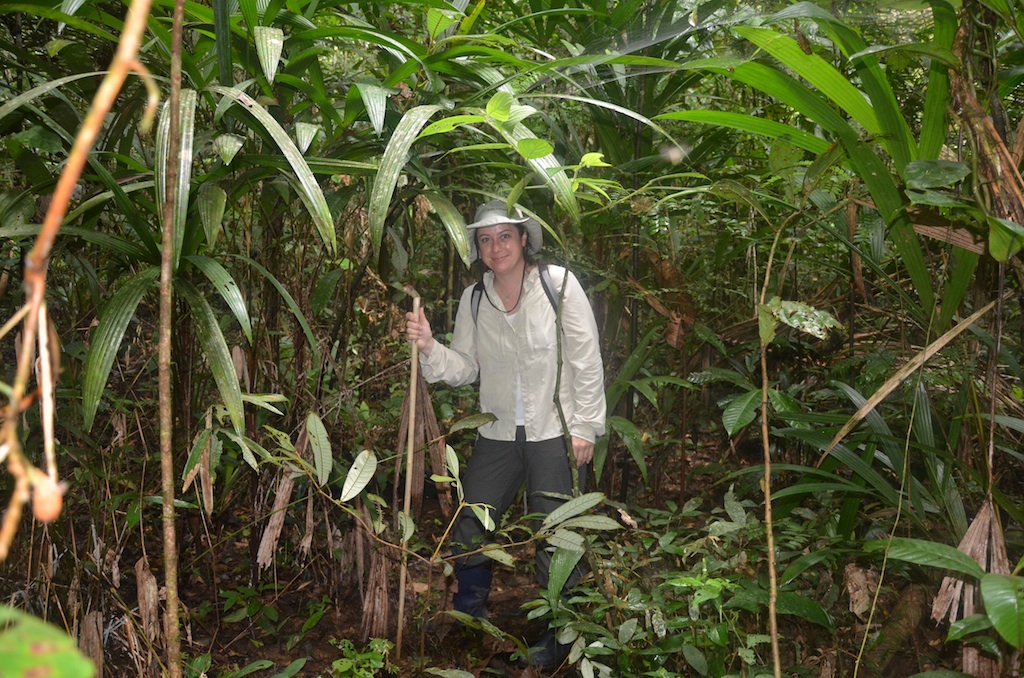
Woke up with another day in paradise! This morning I started to plot transects that I will use for amphibian surveys, same areas as I do each year but still need to scope them out. I only saw a handful of toads that the locals all call leaf mimics. They are different species but all resemble leaves and get lumped into that category. After several hours on foot, I caught up with a boat driver that took me across the Napo to another smaller lake.
Marcy Blog 3

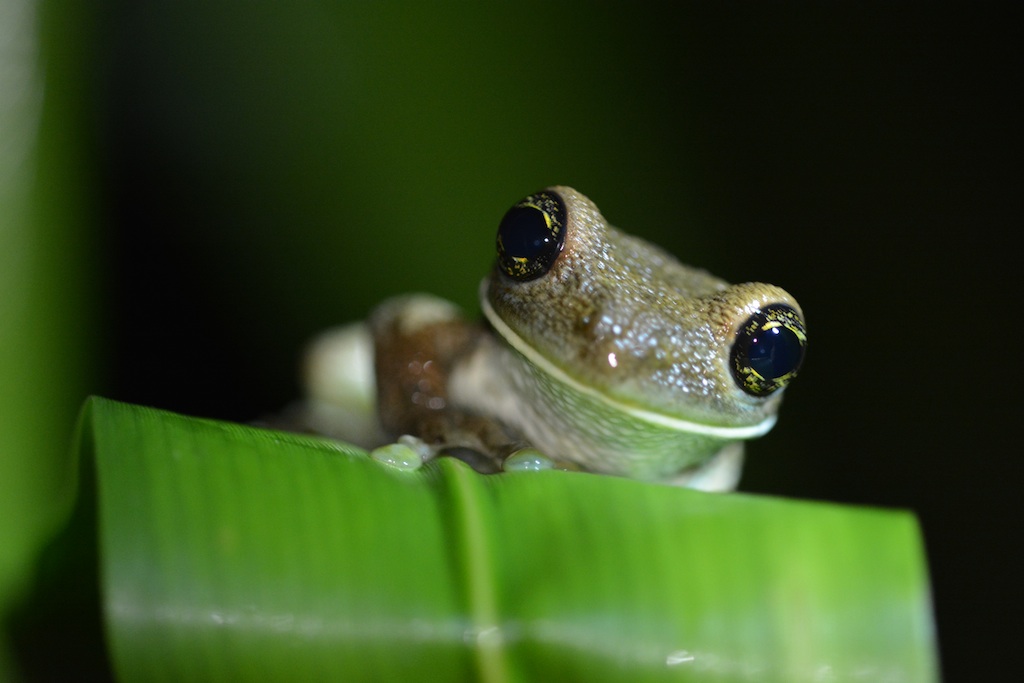
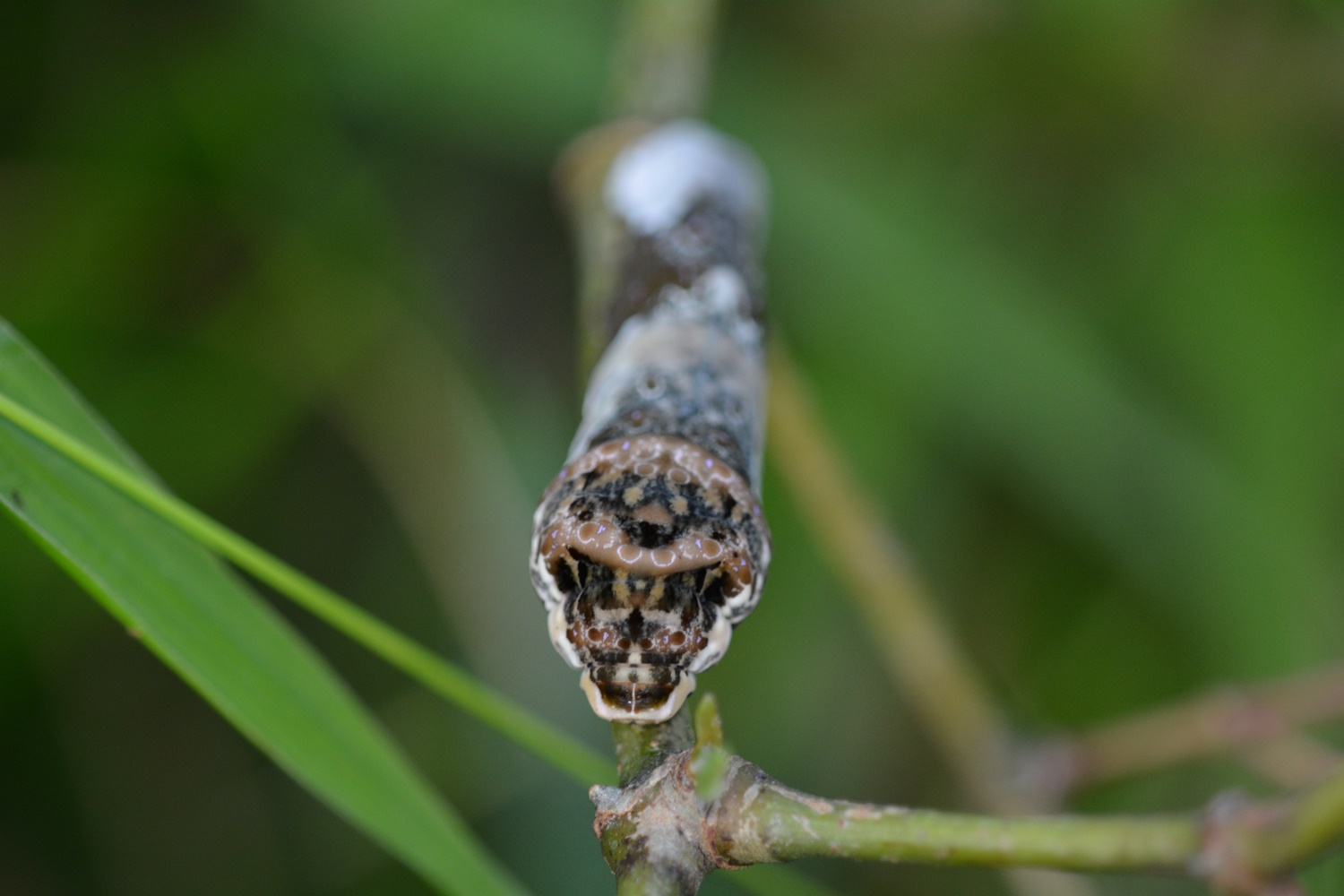
Since the water is lower right now we drove up to a sandbar and as I jumped out of the boat into what resembled quicksand, I saw many toadlets (juvenile toads after metamorphosis) hopping away. Getting “unstuck” was challenging. My afternoon was spent bush-wacking with a machete to La Cocha Loca and walking along the Yarina Trail. Locals call it “Crazy Lake” because you never know what you will see. Last year we saw juvenile electric eels and this year we were told caimans, we’ll find out when we come back tomorrow night. Not too many amphibians during the day though however had some other wonderful finds.
Marcy Blog 1 - small

Evenings are the most productive so we headed out shortly after we had something to eat. We took a boat to another island on the other side of the river that we routinely monitor. As expected, we saw many beautiful treefrogs. We were rained out shortly after 1 a.m., so time to call it quits (metal boat across large river in a lightning storm could be a disaster). Buenas noches!

– Marcy Sieggreen
Notes from the Field – Lao PDR

Detroit Zoological Society Director of Conservation Paul Buzzard is doing fieldwork in Lao PRD.

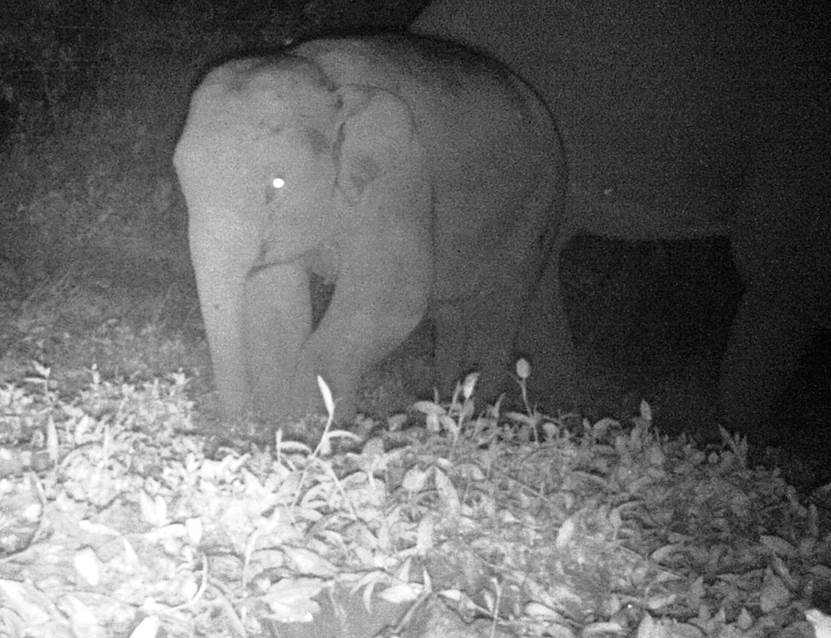
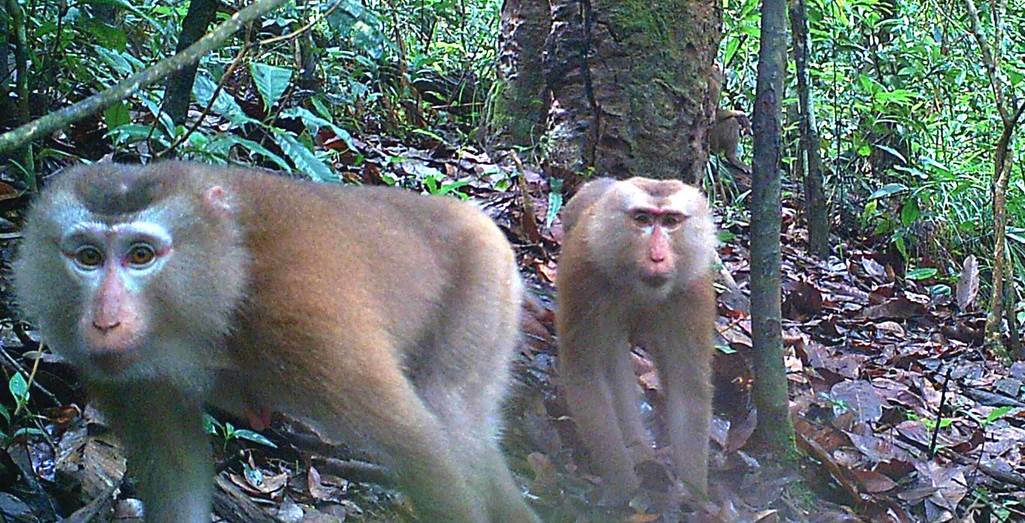
Greetings from Luang Namtha, northern Lao PDR. I have been here in Lao PDR for several days enjoying the tropical weather and checking on a project that uses camera trapping to document the presence of wildlife at the Nam Ha protected area and enhance the eco-tourism program here. I was able to get the pictures of several mammals and larger birds that can still be found at Nam Ha, such as binturong, elephants and grey peacock pheasants among many others.

Paul - N pigtail Macaque      Paul - Asian elephant

I also heard some interesting stories about tigers still being in the area.  However, we were not able to investigate these claims because the local guides are away now either hunting or farming, and it is sometimes a challenge working with local partners. Nevertheless, I made plans with collaborators here and over Skype to set camera traps in the area where tigers have been reported, so hopefully next year we can obtain confirmation of tiger presence. We also made plans to investigate the extent of human-elephant conflict and continue the community outreach and education program.

– Paul Buzzard

Notes from the Field – Nepal

Detroit Zoological Society Director of Conservation Paul Buzzard is doing fieldwork in Nepal. Using camera traps set up in Shivapuri National Park and Api Nampa Conservation Area, he is studying snow leopard and common leopard conservation and behavioral ecology.

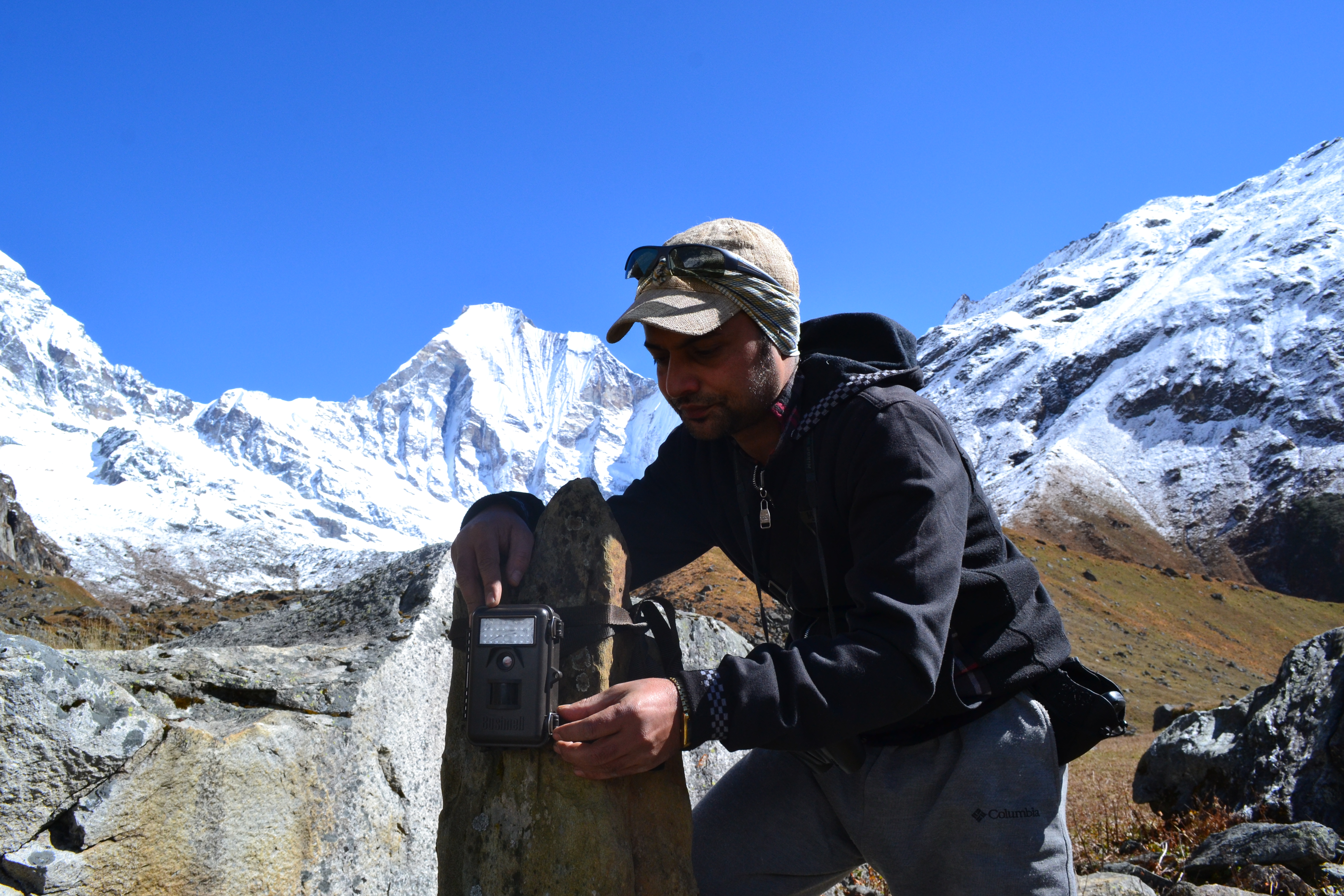
My trip to Nepal has been very productive because I’ve had some great meetings with our Nepali colleagues. They had recently returned from setting camera traps for snow leopards and musk deer in the Himalayas of northwest Nepal. There have been some recent deaths from blizzards and avalanches at nearby Annapurna so I was very relieved to hear they were all right and had a productive trip. The camera traps will allow us to get pictures of snow leopards and the animals they prey on, like musk deer and blue sheep, to allow us to estimate the snow leopard population in the Api Nampa Conservation Area.

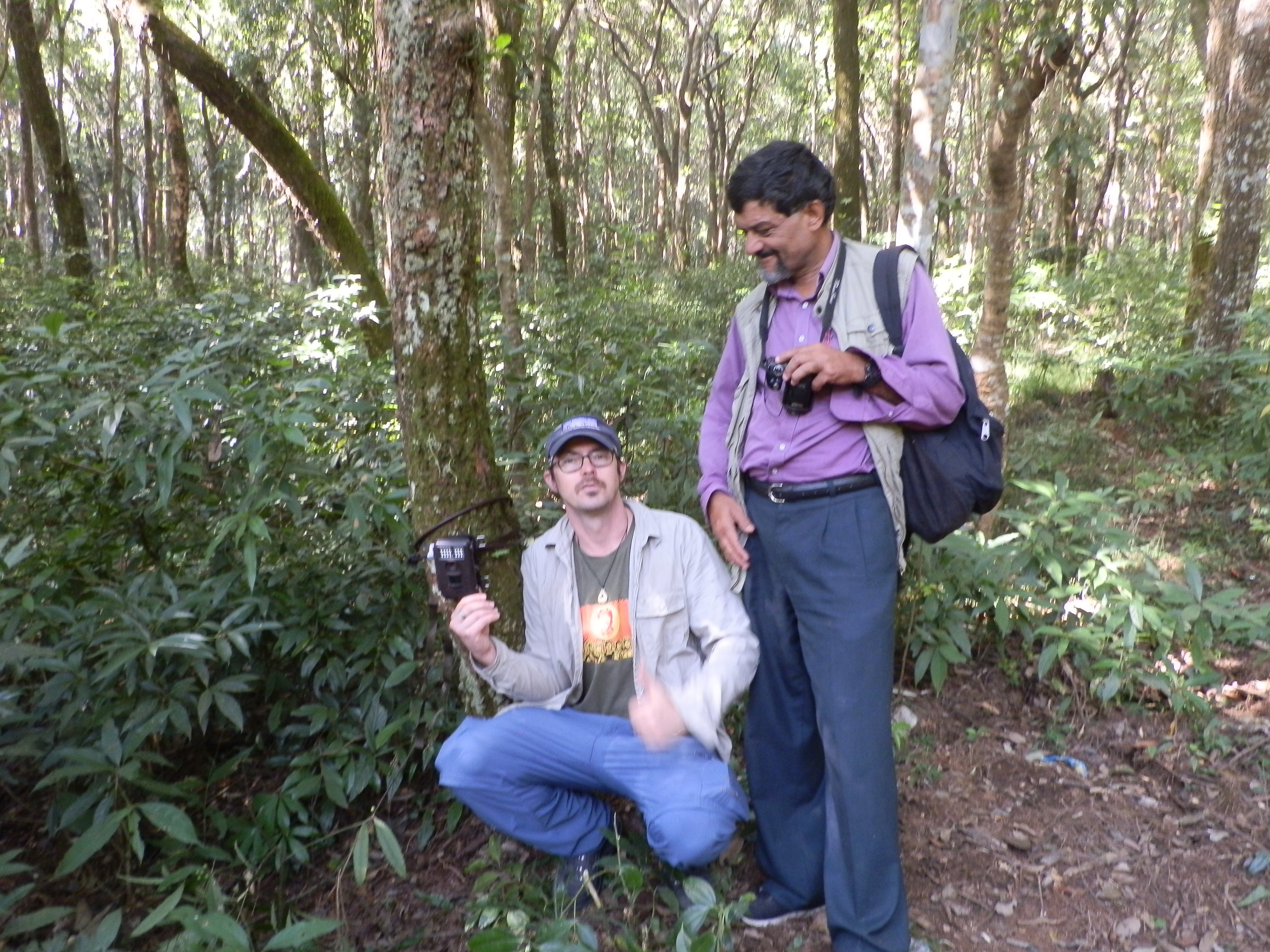
I was eager to get out in the field myself, though, and it was a fantastic day today setting a few camera traps at Shivapuri National Park adjacent to Kathmandu.

OLYMPUS DIGITAL CAMERA      Paul Buzzard - Nepal 5

We set two of the traps near tracks of leopard, wild boar and sambar deer so we are hopeful to get some pictures of leopards. It was also nice because we saw troops of macaques and several interesting birds. I also heard about a leopard or leopards that have been killing livestock and dogs around the U.S. embassy so learning more about leopard ecology in Shivapuri and Kathmandu is essential to avoiding human-leopard conflict.

OLYMPUS DIGITAL CAMERA

The only challenges today were the mosquitoes and the few remaining leeches in the forest. My next step is to go to Lao PDR to check on a project that is also using camera traps to document the wildlife remaining around Luang Namtha, northern Lao PDR and improve eco-tourism, so it’s a red-eye tonight to Hong Kong than another red-eye to Luang Namtha via Hanoi and Vientiane.

– Paul Buzzard

Notes from the Field – Kaktovik, Alaska

Detroit Zoological Society Director of Conservation Paul Buzzard visited Kaktovik, Alaska, studying polar bears in the wild.

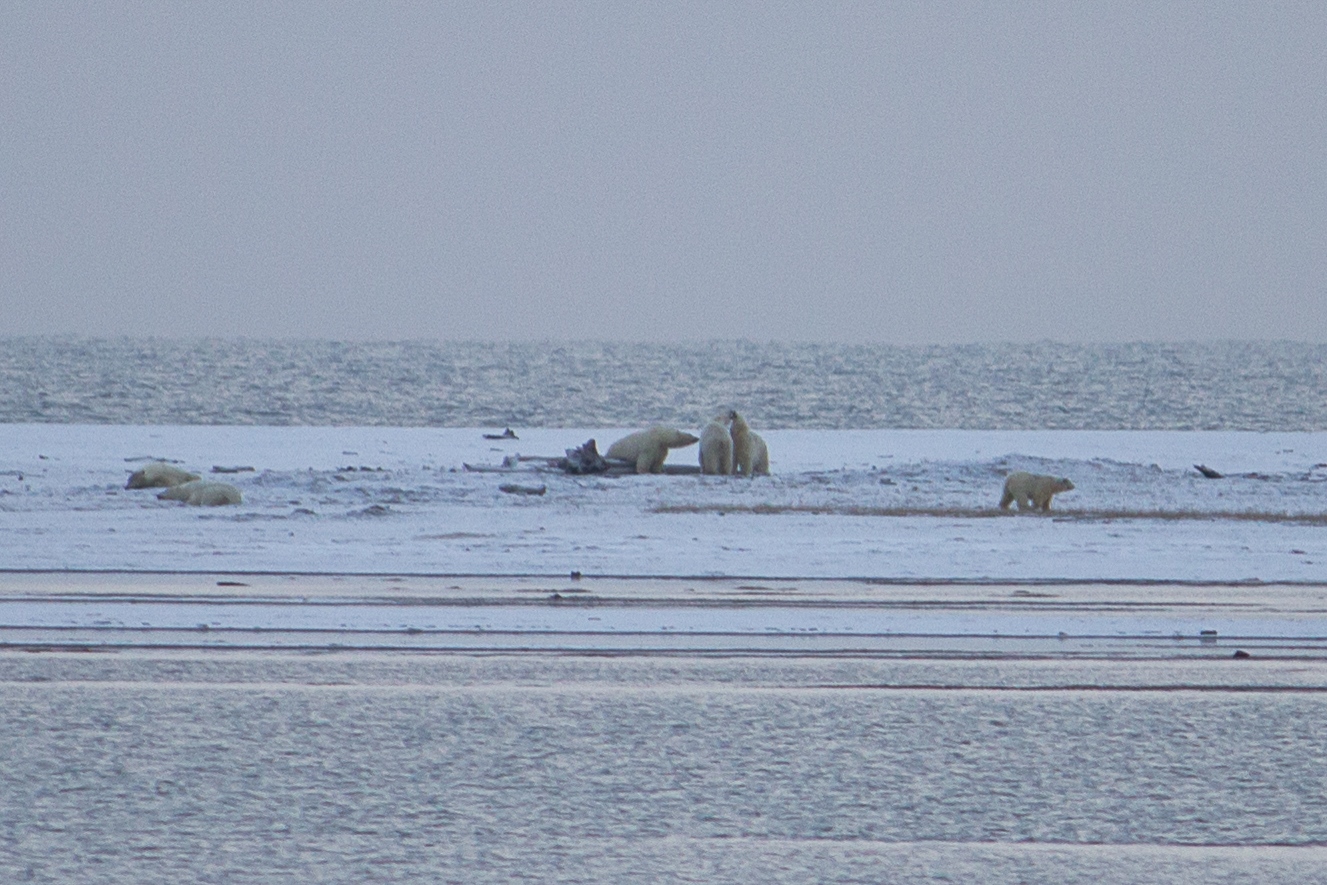
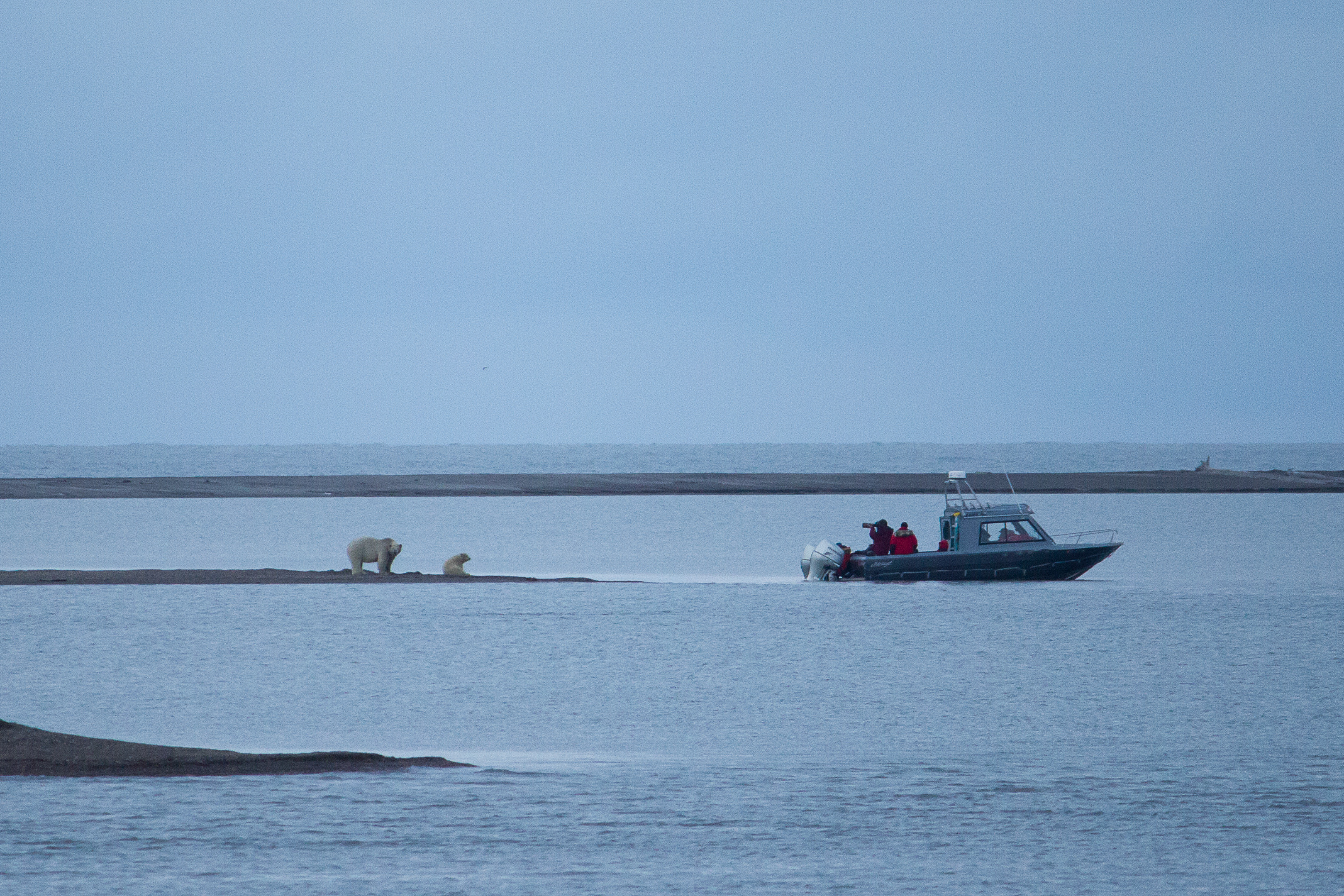
The Detroit Zoological Society has supported polar bear research for many years, and now we are becoming more directly involved in polar bear research and conservation. This morning, we saw 15 polar bears on the small barrier island off of Kaktovik, Alaska.

Paul - Polar Bears

The goal is to go out on a small boat to get closer to the polar bears but we must wait and see if conditions will allow for it.

Paul Buzzard - boat and bears

In the afternoon, I joined staff from the United States Geological Survey to visit a local school to discuss polar bear research. I also had a chance to discuss my work in Nepal and China with snow leopards and red pandas with one of the classes.  I learned local Inupiat dances. I also found so many great Detroit connections – one of the Arctic Refuge staff is from Livonia, two of the teachers here are from Detroit, and I met a Detroit Zoological Society Renaissance Circle member on vacation here.  And one more Michigan connection:  There was an Alaska Fish and Wildlife researcher originally from Muskegon; she was stuck in Prudhoe Bay waiting for the weather to clear to census polar bears by helicopter.

At night, we went to the bone pile, which is the remains from the recent bowhead whale harvest, and we saw several bears scavenging. We learned to never walk outside at night because of polar bears in town.  Every night there is a polar bear patrol to scare away bears in town that might be feeding on whale meat scraps or dog feed and pose a potential threat to humans.  I heard two shots right before I went to bead a couple hundred meters from our house and this morning saw some huge tracks from the bear.

– Paul Buzzard