We’ve traded in the “mototaxis” for boats as we moved from Iquitos into the rainforest at Explorama’s Explornapo Lodge along the Napo River in Peru. It’s interesting – when you look straight down at the water, it is a milky shade of brown, but when looking further out, the reflection of the clouds and blue sky give the impression that the Amazon River is actually blue, which it is not. The scenery is green and lush, as we expect, but now that the water level is lower, we can see how aggressive it is when the river rises. We know how fierce yet resilient nature can be. The mud is sculpted like artwork in places high above the current water line. In many places, green plants have taken over the steep mud cliffs, growing where water stands for months of the year. Birds are flying around checking out the water below, and there is a sense of tranquility from the wind and noise from the boat as we travel from place to place.
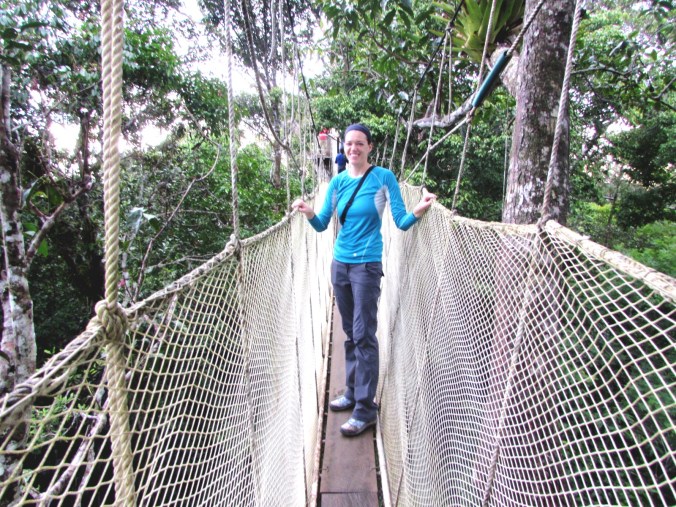
All of this boat travel means that we’ve completed the first week of evaluations, having visited 29 schools as part of the Detroit Zoological Society’s Adopt-A-School program. We can’t all visit each of these communities in this time frame, so we spread out and meet up every night for a recap of what is happening in each community. Common issues that come up revolve mostly around water. Due to flooding, some schools weren’t able to hold classes for up to four months of this school year. Some don’t have enough time to grow crops between the flooding, and almost all communities are having trouble with proper trash disposal. Being here in the rainforest and immersed in this environment leads me to question what is the best solution for this situation. There aren’t garbage boats that come through these communities to pick up trash, so what are they expected to do with it? This is one of the reasons why this program is so important – we focus on education, including education about sustainability and preservation of the environment.
I’ve enjoyed visiting many communities this week, but Canal Pinto was one of the most impactful experiences for me. It was obvious the two teachers in the community had everything under control. You could tell by looking at the students, the classrooms, and their interactions with students that this community was in good hands. As I looked around the beautiful kindergarten classroom, I noticed something that I hadn’t seen elsewhere. Recycled plastic bottles, cut and painted, neatly labeled with student names. Inside each cup was a toothbrush. Hanging on the shelf next to each toothbrush was a washcloth. The students are learning to take care of themselves and to reuse items they have around them. This shows these children – at a very early age – the importance of helping to conserve items and take care of themselves, hopefully habits that will help them and the environment for years to come.
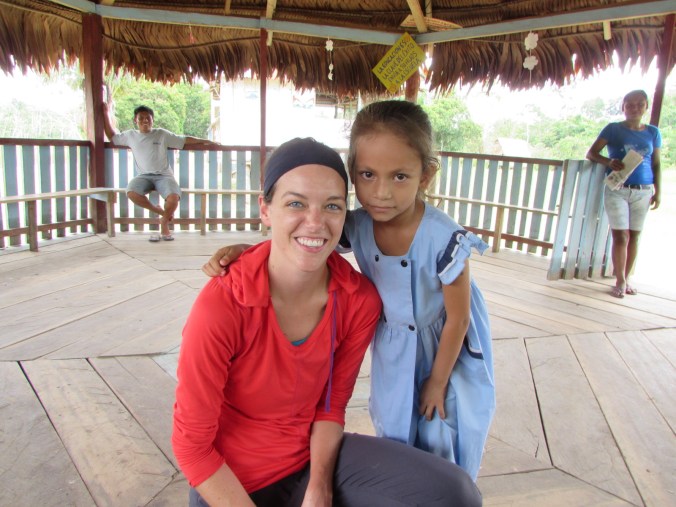
We have a few days left of reviews before we head home. We will be soaking in the heat and humidity while we can before coming back to the much cooler north. Adios for now!
– Carla Van Kampen is a curator of education for the Detroit Zoological Society. The Adopt-A-School program provides donated educational materials and supplies for schools in rural Amazonia. The DZS has partnered with Conservacion de la Naturaleza Amazonica del Peru (CONAPAC) in this conservation and education program since 1999. For more information, or to donate to the program, visit: http://detroitzoo.org/support/give/adopt-a-school/
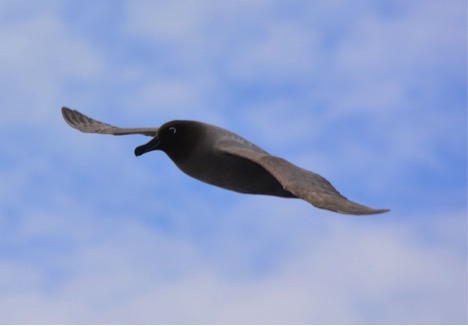
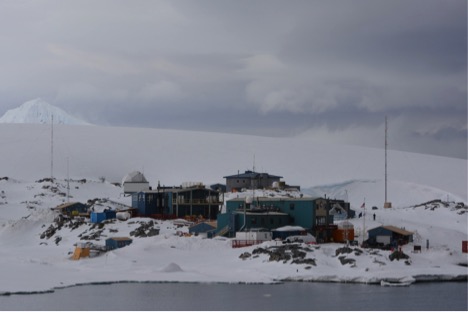
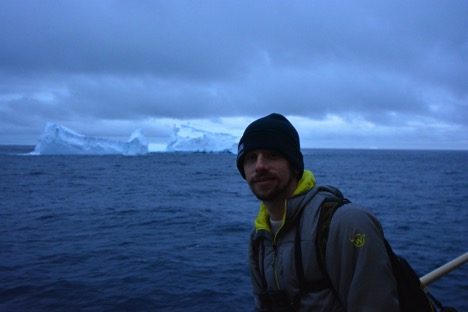

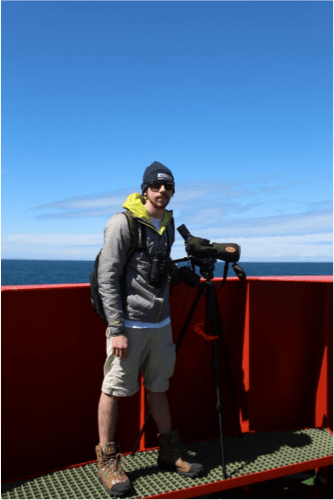
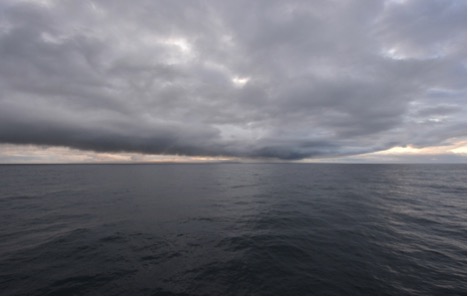
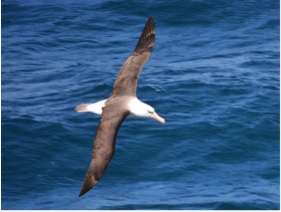 We are just passing the tip of South America, headed for the Drake Passage. Wish us luck and calm seas! The next time I report back, we should be on land at the Palmer Station.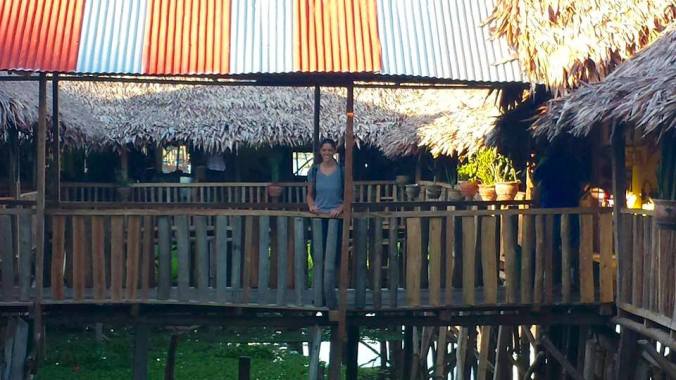
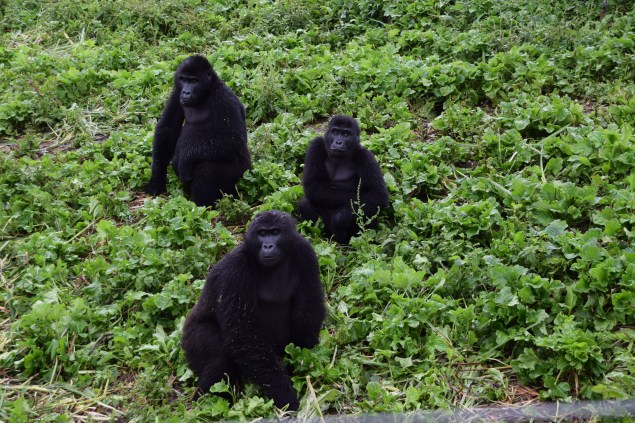 GRACE is the world’s only facility that cares for highly endangered Grauer’s gorillas (Gorilla beringei graueri) that have been rescued by wildlife authorities after being illegally captured by poachers and traders. Grauer’s gorillas are endemic to this region and only 5,000 remain in the wild. There are currently 14 gorillas being cared for at GRACE, ranging from 3-14 years of age. At GRACE, a dedicated Congolese staff provides daily care, including a diet that includes local fruits and vegetation training for important animal management behaviors and treatment for medical problems. Caretakers also monitor the group while they enjoy a 24-acre forest, which is the largest gorilla enclosure in the world. The Detroit Zoo entered into partnership with GRACE in 2014, and as the Chair of GRACE’s Board, Detroit Zoological Society CEO and Executive Director Ron Kagan has provided and facilitated important support to the project. Most recently, he secured funding for a new night house enclosure that is currently under construction.
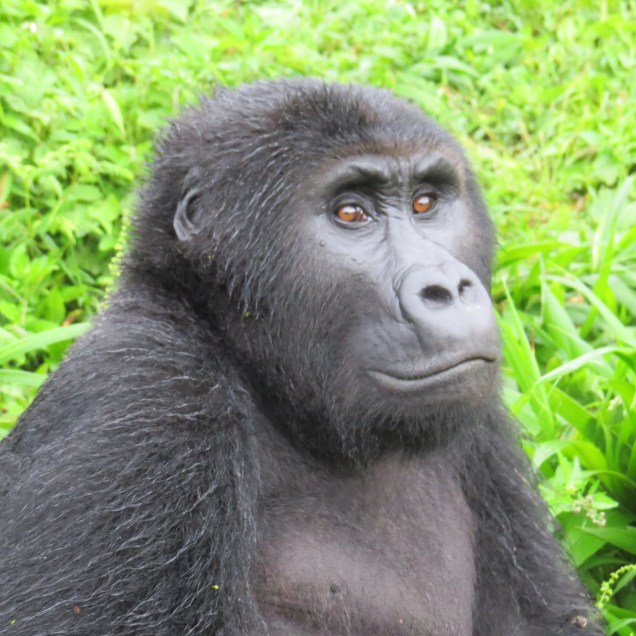 I traveled to the Congo with three staff members from Disney’s Animal Kingdom, including a veterinarian who led the team, a veterinary technician and a husbandry expert. Our goal for the eight days at GRACE was to perform examinations on 12 of the 14 gorillas – this has never been done before anywhere in the world, and it was important that we do all we could during these exams to learn about the health problems they may face.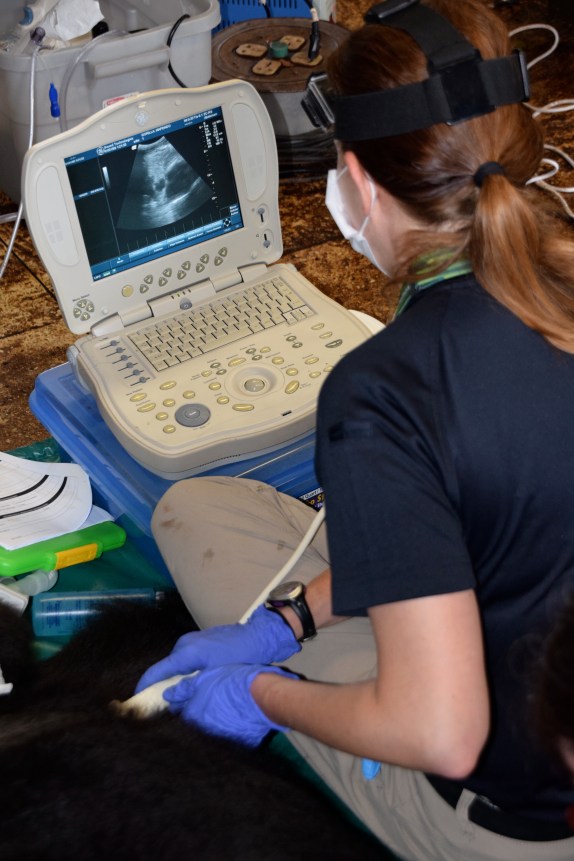
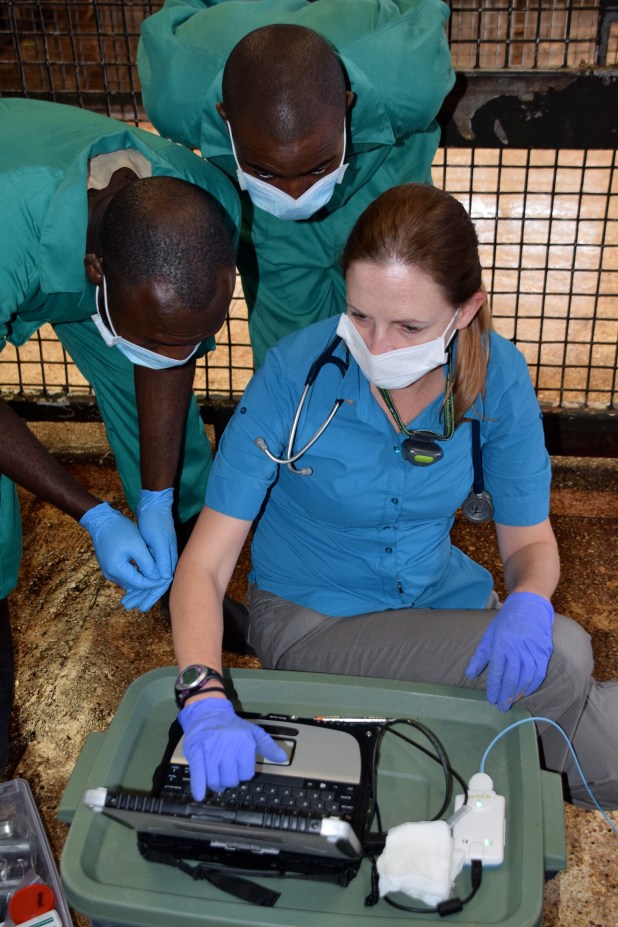
 I am very thankful to the Detroit Zoological Society for providing me with the opportunity to travel to the Congo, and honored to be able to serve the people and gorillas of GRACE.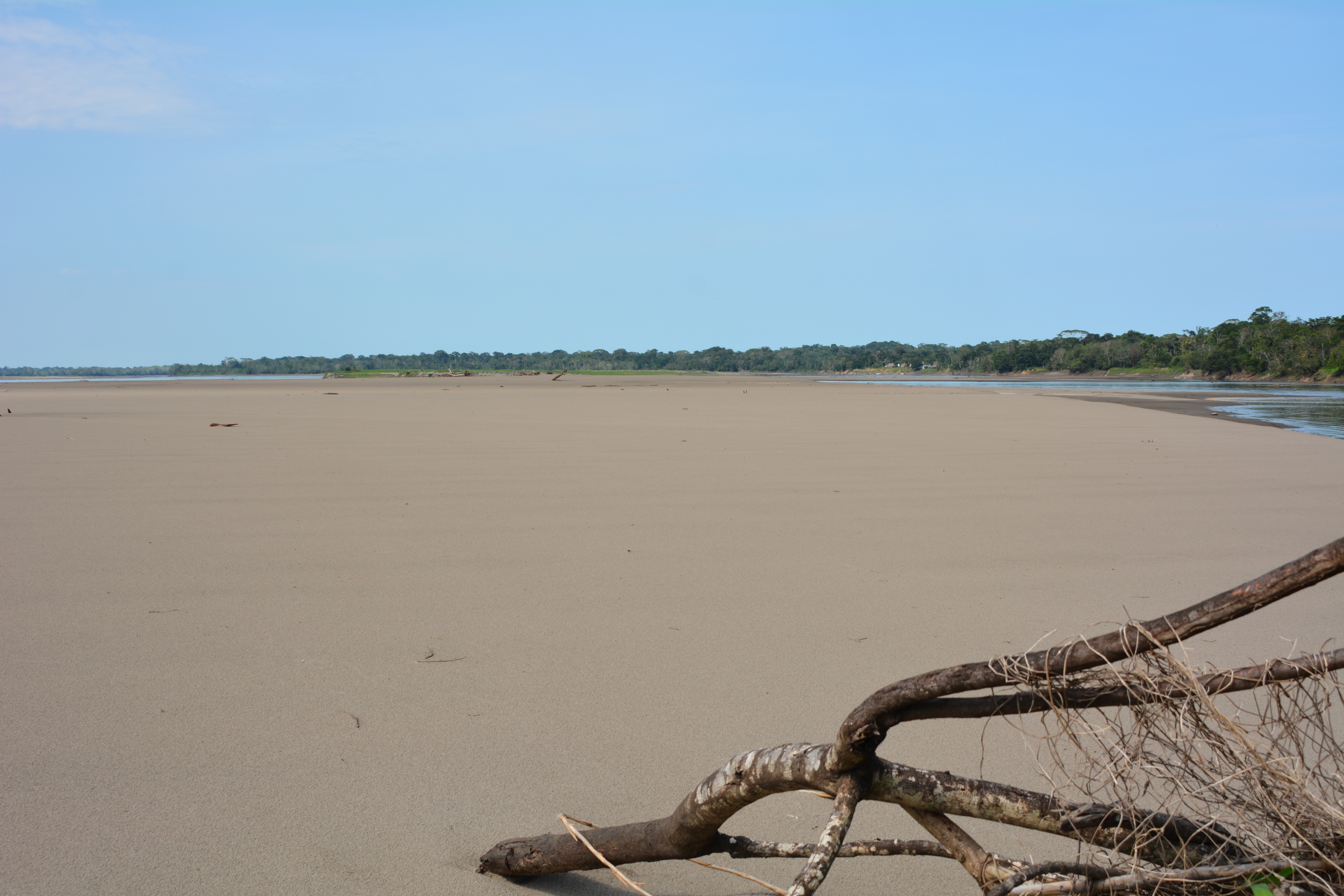
 Detroit Zoological Society Blog