Animal Welfare: Positive Interactions Between Humans and Animals

Humans and animals interact in different ways, and in a zoo setting, these kinds of interactions take many forms. The animals interact with the zookeepers who care for them, the animal welfare researchers who monitor them, the zoo staff who work around them, and the visitors who come to see them.

Depending on the situation, interactions with humans can be viewed by the animals as negative, neutral or positive and over time, if a certain type is most prevalent, can result in a corresponding relationship between animals and humans.

One important factor that influences the type of relationship that develops is how animals perceive humans, which is influenced by what species they are, their individual temperaments and past experiences. Some species, and some individuals, are more fearful of humans and will avoid them as much as possible. Others may see humans as something of interest. However, our behavior when we are around them can still influence how they are feeling, and if our actions are perceived as a threat or something that creates stress, the animal’s experience becomes negative.
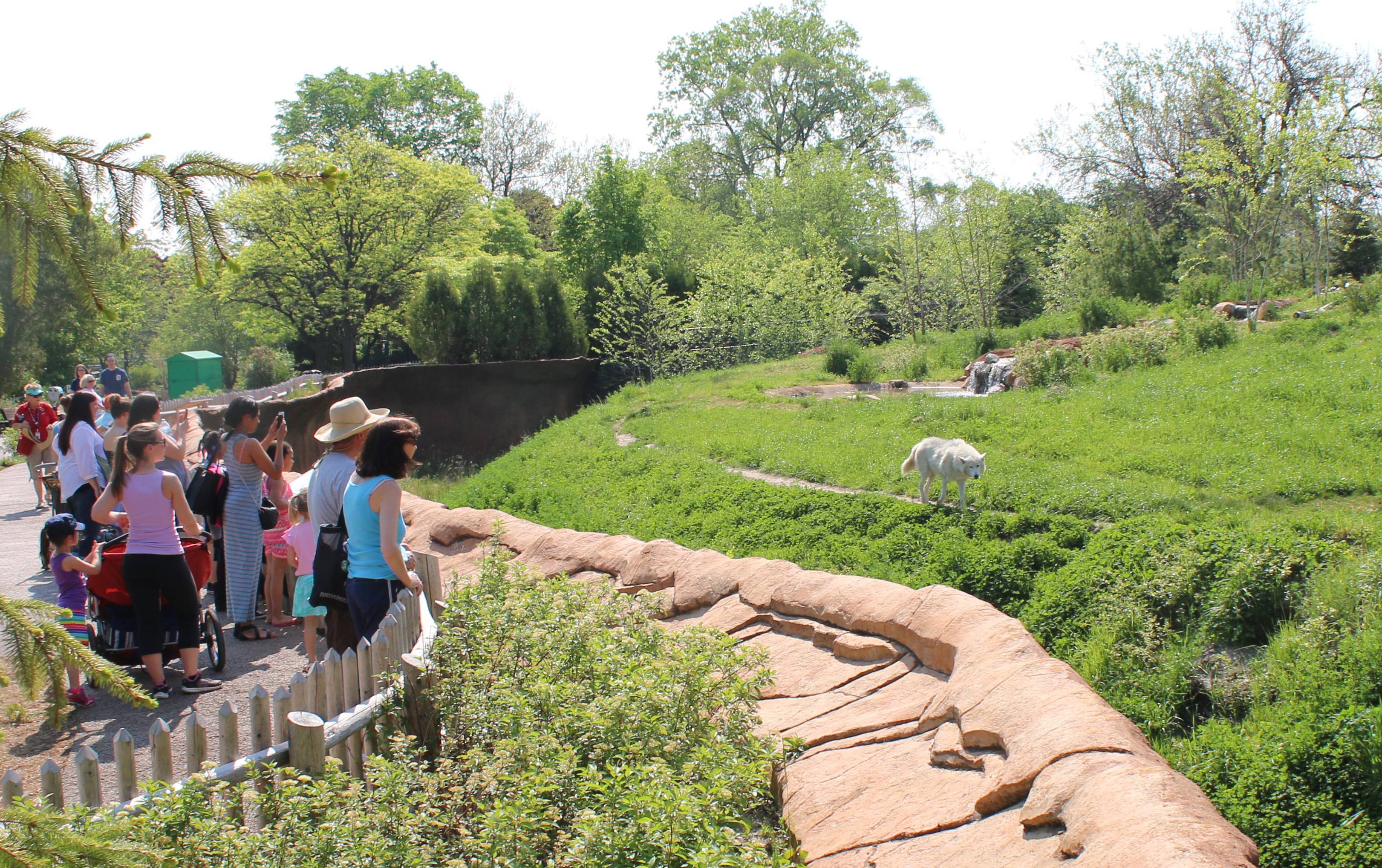
The work zookeepers do is so critical to ensuring animals living in zoos experience good welfare. They create positive interactions through actions like feeding and positive reinforcement training, and this helps to establish positive relationships. Having these positive relationships with the humans with whom they interact the most can help the animals to be more comfortable in situations that could be stressful.

Understanding how we impact animals through our actions is incredibly important. We are ultimately responsible for ensuring each individual animal at the zoo has great welfare and we can take steps to do just that. Each one of us can treat every animal we encounter, whether it be at the zoo, in our neighborhoods and in our homes with respect, appreciating that they have needs and that our behavior can affect them.
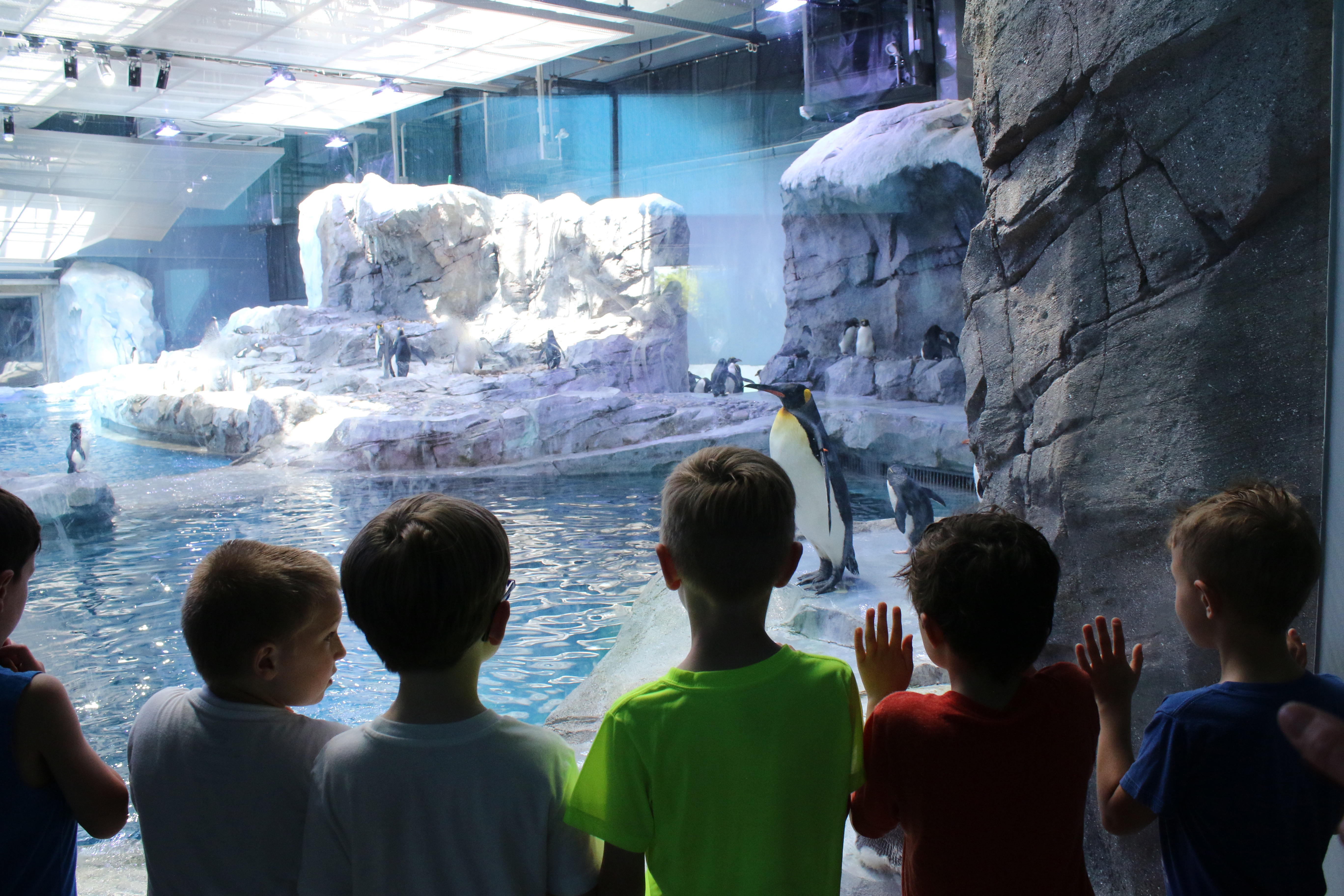
When you visit the zoo, enjoy watching the animals living their lives, know that they are sensitive to what is happening around them, and share the same sense of awe and privilege I feel knowing that my actions can help them feel comfortable and safe.

– Dr. Stephanie Allard is the director of animal welfare for the Detroit Zoological Society and oversees the Center for Zoo Animal Welfare.

Education: Animal Nightlife

As the summer sun rises and sets, animals notice. Many of the animals that live at the Detroit Zoo are diurnal, meaning they are most active during the day. Gorillas, chimpanzees, butterflies, squirrels and camels are examples of animals that are most active during the day. As the sun sets, they prefer to settle in and sleep the night away.

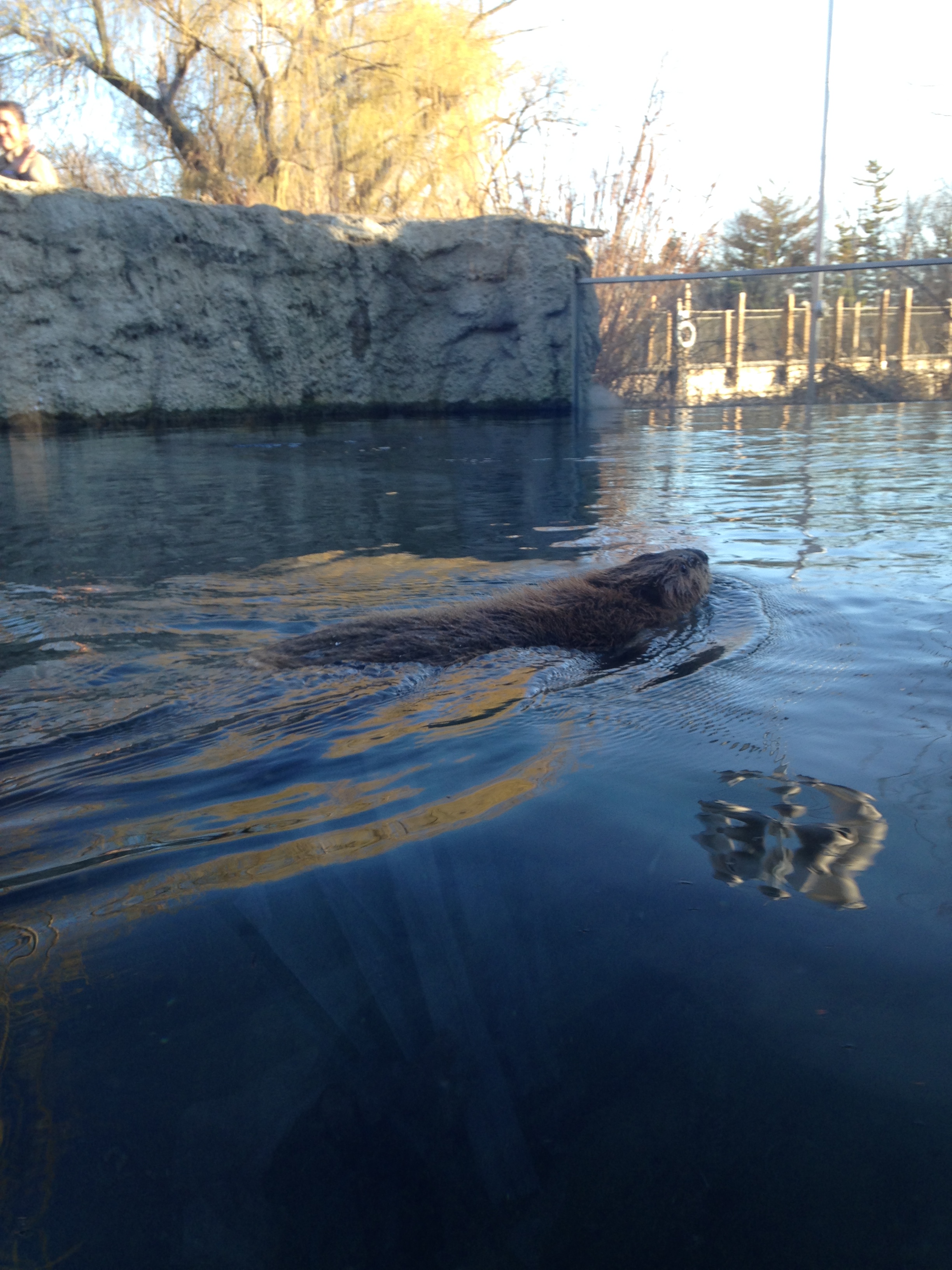
Nocturnal animals include owls, bats, beavers, aardvarks and crickets, to name a few. That’s why you can hear crickets singing during summer nights and why most of us don’t see owls and bats hunting in the dark skies. Nocturnal animals have special adaptations such as enhanced hearing, eyesight and/or sense of smell that help them navigate after dark to find their prey.

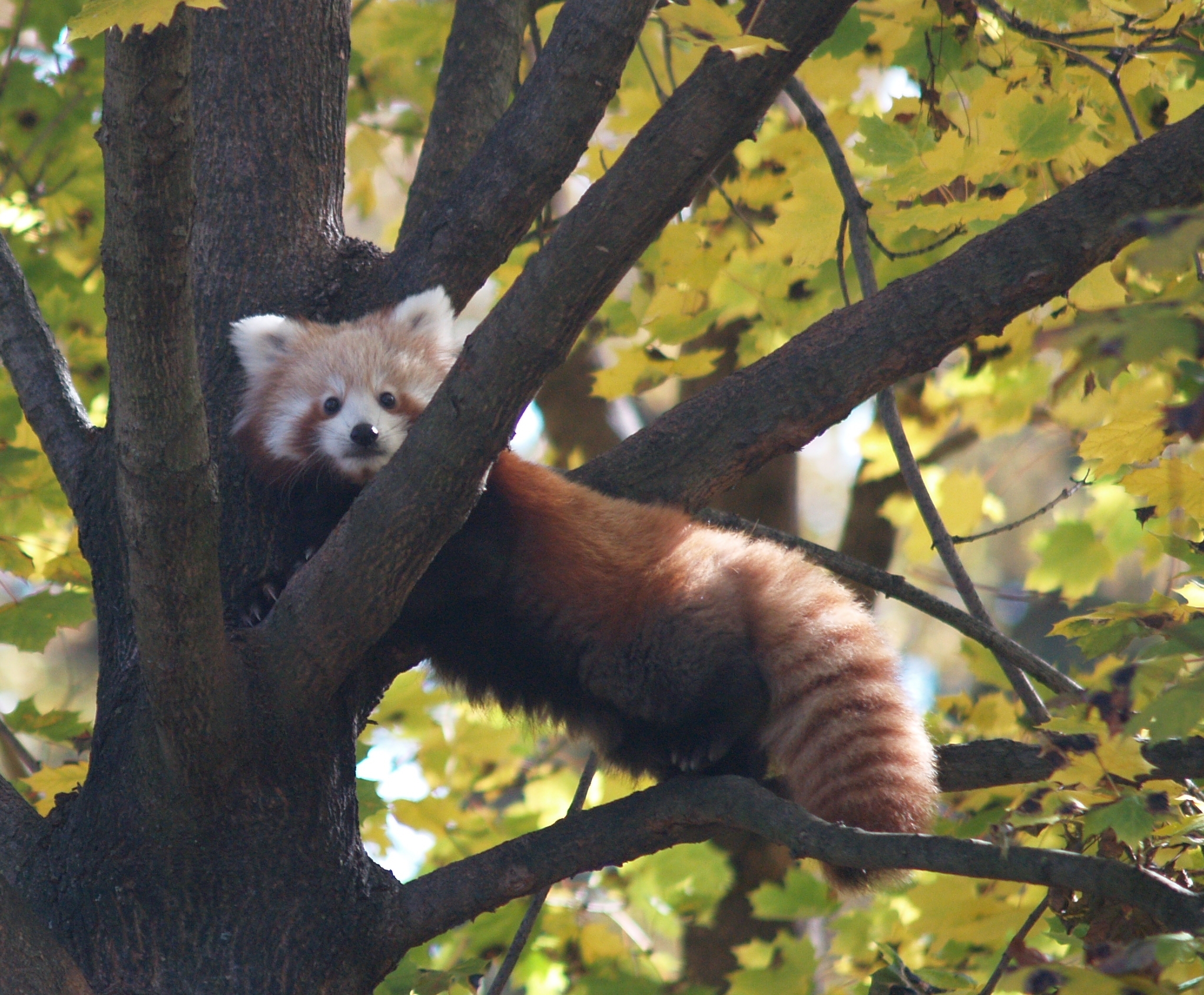
Some animals are crepuscular, meaning they prefer to be active in the twilight hours of dawn and dusk. Deer, red pandas, fireflies and many moths prefer the cooler hours of the day, venturing out while many larger predators aren’t as active.

The Detroit Zoo follows a diurnal schedule; it’s open when humans are most active during the daytime hours. However, there are opportunities for glimpses into the animal dusk- and nightlife. Wild Summer Nights are held on Wednesday evenings in July and August. The Zoo is open until 8 p.m., featuring crepuscular and nocturnal animals, and live bands in the Main Picnic Grove. Youth in first through sixth grades can sign up to participate in Twilight Trails, the Summer Safari Camp evening adventure, to explore animals at dusk and participate in citizen science studies of fireflies or investigate animal adaptations.


You can also explore crepuscular and nocturnal animal life in your own backyard or neighborhood. Watch for fireflies as the sun sets, or rabbits as they search for food in your lawn. Hang a white sheet and shine a light on it, come back an hour later and see what insects have landed on it.

Enjoy the warm summer evenings and all the amazing things they have to offer!

– Claire Lannoye Hall is a curator of education for the Detroit Zoological Society.

Humane Education: Helping Animals in Need

As animal lovers, when we come across an animal in need of help, we want to take action. But when we find an injured or orphaned critter, often times we’re not sure what to do.

Here at the Detroit Zoological Society, we receive emails and calls throughout the year from people who want to aid local wildlife. Although we wish we could provide sanctuary for all animals in need, we are unable to do so in nearly all cases. But we think it’s wonderful that so many people want to assist these sentient beings, so we’ve compiled a list of helpful resources.

The following links contain contact information for reputable organizations and rehabilitators that are able to provide support. Download the app and jot down the phone numbers found in the links. You can keep a copy on hand so that the information is available should a need arise.

  • Animal Help Now App – Find contact information for nearby emergency wildlife assistance across the U.S., including wildlife rehabilitators, rescues and veterinarians.
  • All Species Kinship Wildlife Hotline – (877) 596-7776

Remember if you come upon an animal that you think needs help, don’t address the situation without first reaching out to a professional for his or her advice. If ever you’re in doubt, call an expert.

– Lisa Forzley is a curator of education for the Detroit Zoological Society and oversees the Berman Academy for Humane Education. Learn more about the Academy, which was created to help people help animals and offers a broad range of engaging programs, at http://detroitzoo.org/education/humane-education.

Notes from the Field: ‘Iced in’ at the Palmer Station in Antarctica

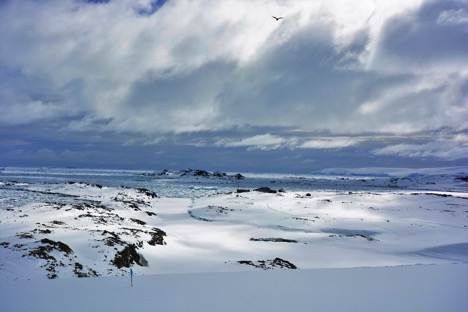
With the right wind, the harbor can go from totally clear to completely packed with large pieces of ice and glacier chunks within just a few hours, icing us in at the Palmer Station. When this occurs, we have to wait for the winds to change before we can work to clear the ice out. Being stuck at Palmer for a couple days was no problem though; it gave us time to catch up on data and paperwork and we were able to hike to a cove to do some fieldwork with southern giant petrels.

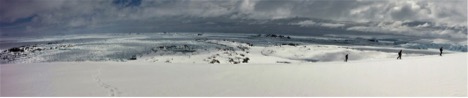
Land travel requires a lot of gear and also snowshoes, which we outfitted ourselves with before walking out into the “backyard” of the Palmer Station. We hiked up to the top of the glacier, where the views were absolutely breathtaking.

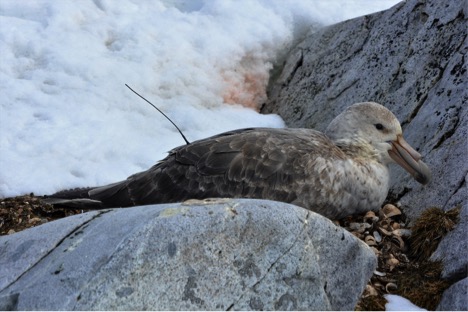
We walked around an inlet and back down the glacier over to a couple spits of land where southern giant petrels, Antarctic terns, and kelp gulls can be found. Giant petrels can have a wingspan of almost 7 feet and their eye colors vary from light to very dark, with every individual having its own unique color pattern. Many of these majestic and often very gentle birds have been banded throughout the years, and we were able to retrieve identification numbers from several of them, which will aid in the study of these birds. We were also able to outfit one of the birds with a transmitter to collect data on where the bird is travelling.

Finally, the winds shifted direction and we were able to travel by boat to continue our island fieldwork. We spent a lot of time catching up on censuses of Adelie penguin colonies – much to our excitement, many were full of parents incubating eggs! One humorous mainstay is the elephant seals that hang out around the station. Most mornings when exiting the building, there are multiple elephant seals present, which I’m told isn’t so common from year to year. We have to watch where we walk and keep our distance, giving the proper respect and privacy to all the local wildlife. In Antarctica, there are treaties and conservation acts to follow with regard to viewing wildlife, which is a good reminder of how we should treat all wildlife and wild places, no matter where we are in the world.

Thanks for reading; I will report back soon!

– Matthew Porter is a bird department zookeeper for the Detroit Zoological Society and is spending the next few months at the U.S. Palmer Station in Antarctica for a rare and extraordinary scientific opportunity to assist a field team with penguin research.

Notes from the Field: Arriving in Antarctica

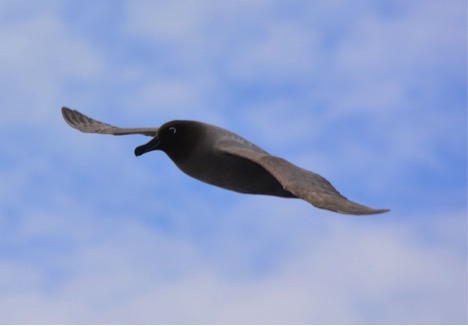
Reporting back from blue water. We experienced some rain, but only light winds as we sailed through the infamous Drake Passage, offering us the “Drake lake” not the “Drake shake”! Throughout the Passage, many more feathered companions greeted us including Wilson’s storm petrels, slender-billed prions, light-mantled albatross and more. The light-mantled albatross is a majestic flyer that glided around our boat effortlessly.

antarctica 1

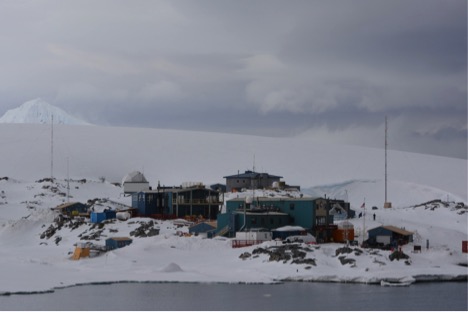
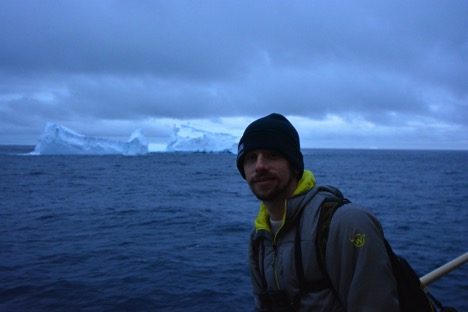
During our fourth evening on the boat, icebergs and pieces of ice started to consistently drift by while the rain changed to snow. We were getting close! By early afternoon on day five, the boat entered the 16-mile-long Neumayer Channel, which is a breathtakingly gorgeous passage. We cruised through incredible snow-covered cliffs, while icebergs of varying beautiful hues of blue floated past us. A couple ghost-like snow petrels made an appearance. Snow petrels are a pure white bird with black eyes and a black beak and are found in southern Georgia and Antarctica. We eventually passed Port Lockroy, which has a British research base and the nearest post office. Then, in the clearing as the clouds parted slightly, we could see a small collection of buildings: the U. S. Palmer Station and my home for the next couple of months.

Antarctica 2

A handful of gentoo penguins came to the edge of the ice to greet us while we were landing the boat. It was nice to feel the hard ground under our feet after the wonderful five-day voyage. Since we landed in the evening, we hung out for a while at the station, meeting the very friendly current residents and then headed back to the boat for the night. The following morning, we got right to work unloading our gear, followed by a half-day of orientation. After orientation, I found my way down to a small hut, which is known as the “birders” office. The “birders” is a station nickname for our group that does bird research. I am joining three fantastic, expert field biologists to do field work/research on gentoo, adelie, and chinstrap penguins, southern giant-petrels, brown skuas and more. Much of the work involves long-term ecological studies and is associated with figuring out the bird’s relationship to and impact from climate change. This work is overseen and guided by the principal investigator, the world-renowned polar ecologist Dr. Bill Fraser, who also consulted with the Detroit Zoological Society (DZS) on the design of the new Polk Penguin Conservation Center, a spectacular facility under construction at the Detroit Zoo.

antarctica 3.jpg

Also while I’m down here, I will be able to absorb knowledge that can be brought back to the Detroit Zoo’s already expert penguin staff. Conservation and animal welfare are priorities of the DZS and this incredible opportunity will allow us to continue to improve the already excellent welfare we ensure for animals. The Detroit Zoo, home to the Center for Zoo Animal Welfare, is known internationally for our animal welfare program, and we are always challenging ourselves and our industry to continue improving. Starting tomorrow, I will jump into the field and will report back soon. Thank you for reading!

– Matthew Porter is a bird department zookeeper for the Detroit Zoological Society and is spending the next few months at the U.S. Palmer Station in Antarctica for a rare and extraordinary scientific opportunity to assist a field team with penguin research.

Notes from the Field: Two Weeks in the Panamanian Jungle

Recently, I found myself trekking through the jungle, holding a machete, in search of the perfect piece of wood. This wasn’t a typical day of work for me with the Detroit Zoological Society (DZS) – I’m usually found in the National Amphibian Conservation Center (NACC) at the Detroit Zoo, changing filters, cleaning misting lines and feeding tadpoles. But on this particular day, I was in El Valle, Panama, a small town situated in the valley of an extinct volcano; the historic home to the Panamanian golden frog (Atelopus zeteki), a species that is critically endangered in the wild.

The DZS has maintained a breeding population of Panamanian golden frogs at the NACC since the year 2000 as part of the Association of Zoos and Aquariums’ Species Survival Plan, a cooperative management program that ensures genetically healthy, diverse and self-sustaining populations of threatened and endangered species. Since I personally care for and breed this delicate species at the Detroit Zoo, it was truly awe-inspiring for me to travel to Panama; to see and experience the tropical cloud forest habitat that was home to the golden frog until the late 1950s, when the last sightings were reported in the area.

Like many amphibian population declines worldwide, the threat to the Panamanian golden frog is a multi-pronged, human-induced sucker punch of climate change, de-forestation and over-collection for the pet trade. Also, a very serious parasitic fungus known as Batrachochytrium dendrobatidis or “chytrid Bd” [ki-trid] became present in the area. This fungus thrives in the environment of a cloud forest and caused a dramatic decline in amphibians through the region.

Despite the thrill of viewing some amazing wildlife on our walk through the Panamanian jungle, I wasn’t there to enjoy the scenery. My purpose in traveling to El Valle was to assist the limited staff at the El Valle Amphibian Conservation Center (EVACC), a small conservation center dedicated to breeding and researching the country’s most endangered amphibians, as well as educating the community in Panama about the amphibians in the area.

For two weeks, I trained the staff at EVACC on habitat design and maintenance. I shared techniques for designing water features, drilling enclosures for bulkhead placement and “propping” habitats – gathering supplies like logs, plants and rocks to create a naturalistic environment. One day was dedicated to removing and replacing an old “roof ” of a habitat planned for golden frogs, which was the size of a living room. Other days involved finding things like sticks, logs and foliage to prop the habitats, and since all of the animals were from the surrounding area, most of what we were collecting could be found and disinfected within the grounds of the conservation center.

The EVACC’s newly designed habitats would be playing an important role in the “Golden Frog Day” in El Valle, a celebration of the magical amphibian that once lived and thrived among the misty forests of the mountains. Without public support in its country of origin, there could be no future for this animal. With newly renovated habitats and the beauty of this vibrantly colored amphibian, visitors to the center can begin to understand the value of this species and the power it holds as members of the community work to conserve it.

A true reward for all of this hard work and training came several days after leaving Panama, when I received an email from EVACC staff informing me that they had drilled their first tank and were using techniques that I taught them to install a new waterfall feature. While I had ditched my machete and my head lamp, no longer needing to trek into the jungle for my work with the Panamanian golden frogs at the Detroit Zoo, I know that the work we are doing some 4,000 miles away from their home is just as critical to the survival of this incredible species.

– Mark Vassallo is an amphibian department zookeeper for the Detroit Zoological Society.

Notes from the Field – Lao PDR

Detroit Zoological Society Director of Conservation Paul Buzzard is doing fieldwork in Lao PRD.

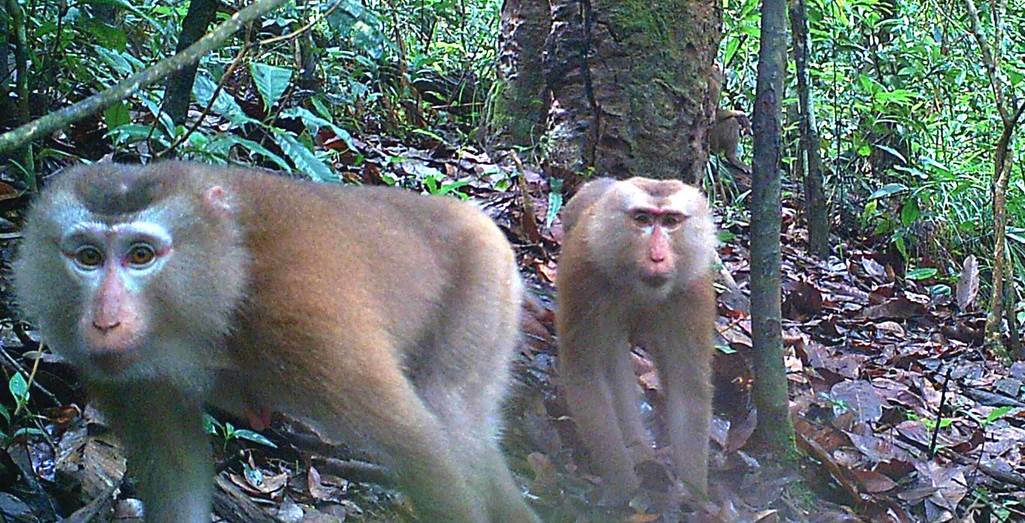
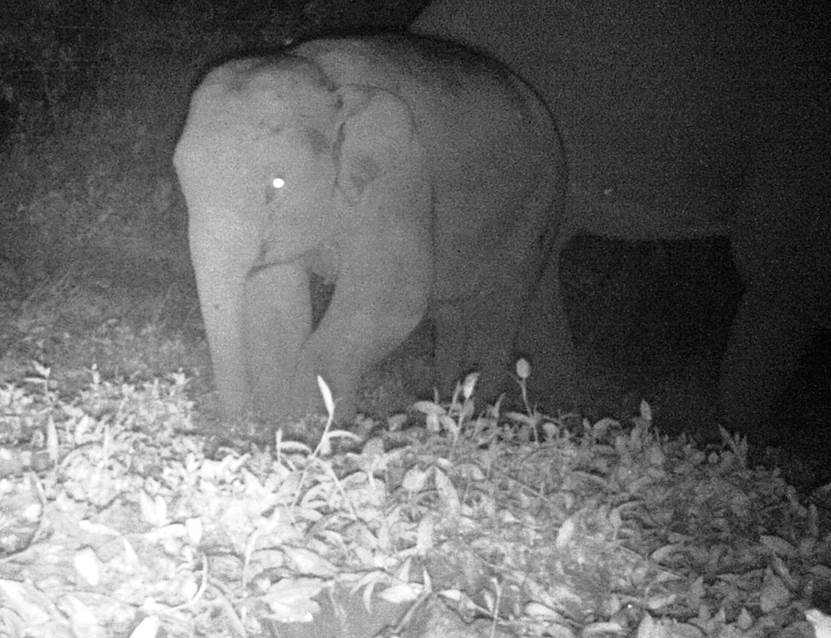
Greetings from Luang Namtha, northern Lao PDR. I have been here in Lao PDR for several days enjoying the tropical weather and checking on a project that uses camera trapping to document the presence of wildlife at the Nam Ha protected area and enhance the eco-tourism program here. I was able to get the pictures of several mammals and larger birds that can still be found at Nam Ha, such as binturong, elephants and grey peacock pheasants among many others.

Paul - N pigtail Macaque      Paul - Asian elephant

I also heard some interesting stories about tigers still being in the area.  However, we were not able to investigate these claims because the local guides are away now either hunting or farming, and it is sometimes a challenge working with local partners. Nevertheless, I made plans with collaborators here and over Skype to set camera traps in the area where tigers have been reported, so hopefully next year we can obtain confirmation of tiger presence. We also made plans to investigate the extent of human-elephant conflict and continue the community outreach and education program.

– Paul Buzzard

Notes from the Field – Nepal

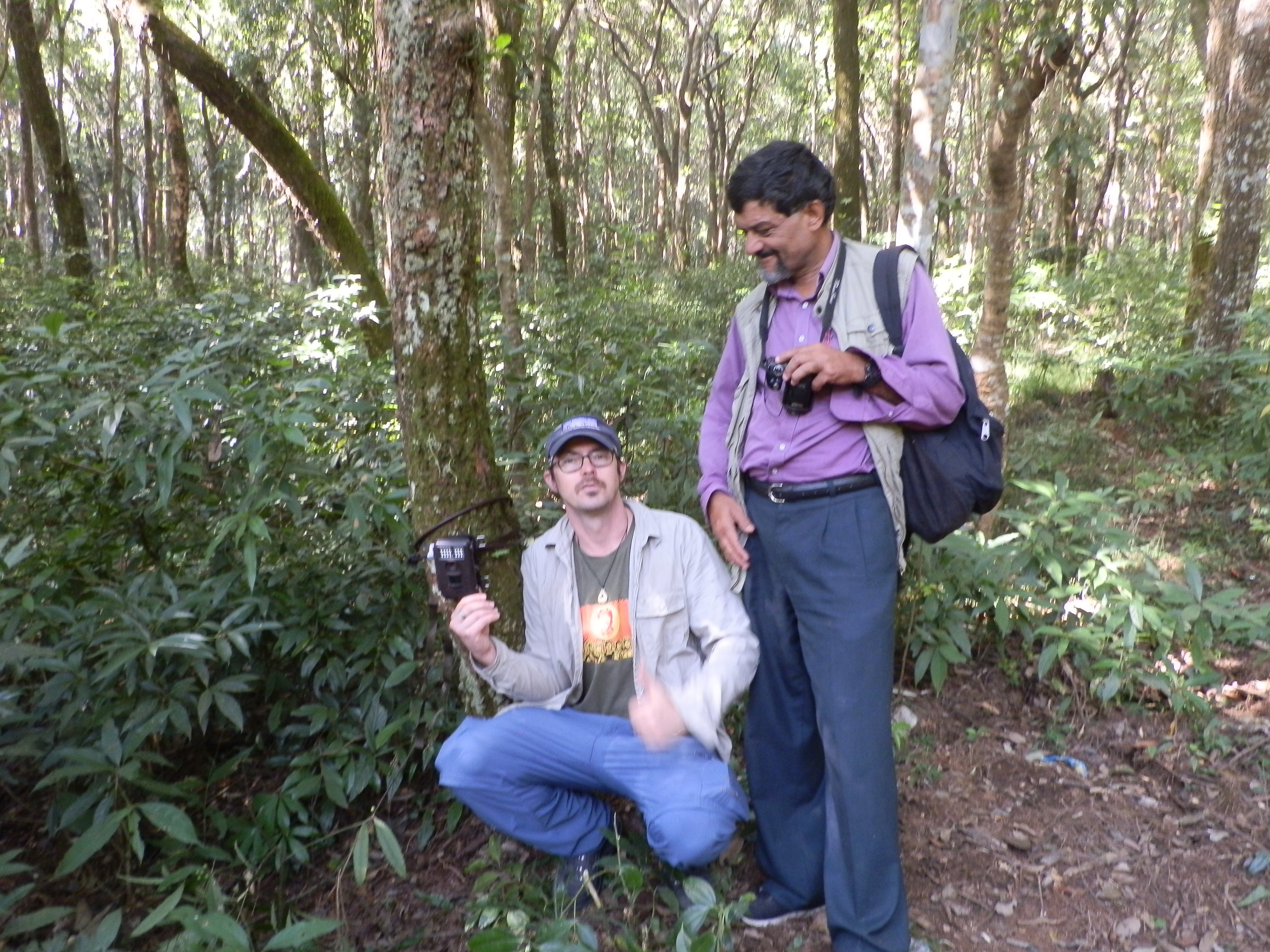
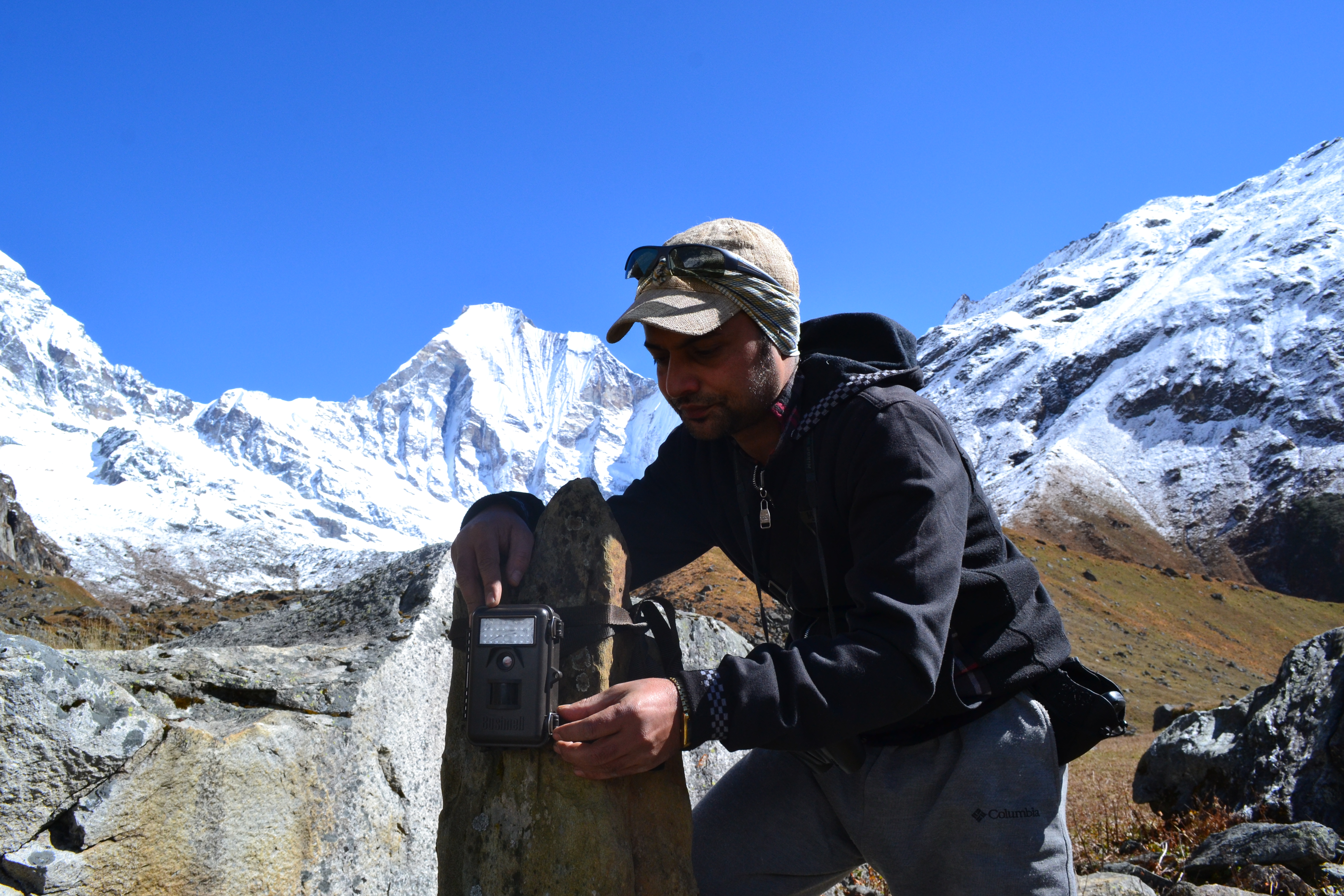
Detroit Zoological Society Director of Conservation Paul Buzzard is doing fieldwork in Nepal. Using camera traps set up in Shivapuri National Park and Api Nampa Conservation Area, he is studying snow leopard and common leopard conservation and behavioral ecology.

My trip to Nepal has been very productive because I’ve had some great meetings with our Nepali colleagues. They had recently returned from setting camera traps for snow leopards and musk deer in the Himalayas of northwest Nepal. There have been some recent deaths from blizzards and avalanches at nearby Annapurna so I was very relieved to hear they were all right and had a productive trip. The camera traps will allow us to get pictures of snow leopards and the animals they prey on, like musk deer and blue sheep, to allow us to estimate the snow leopard population in the Api Nampa Conservation Area.

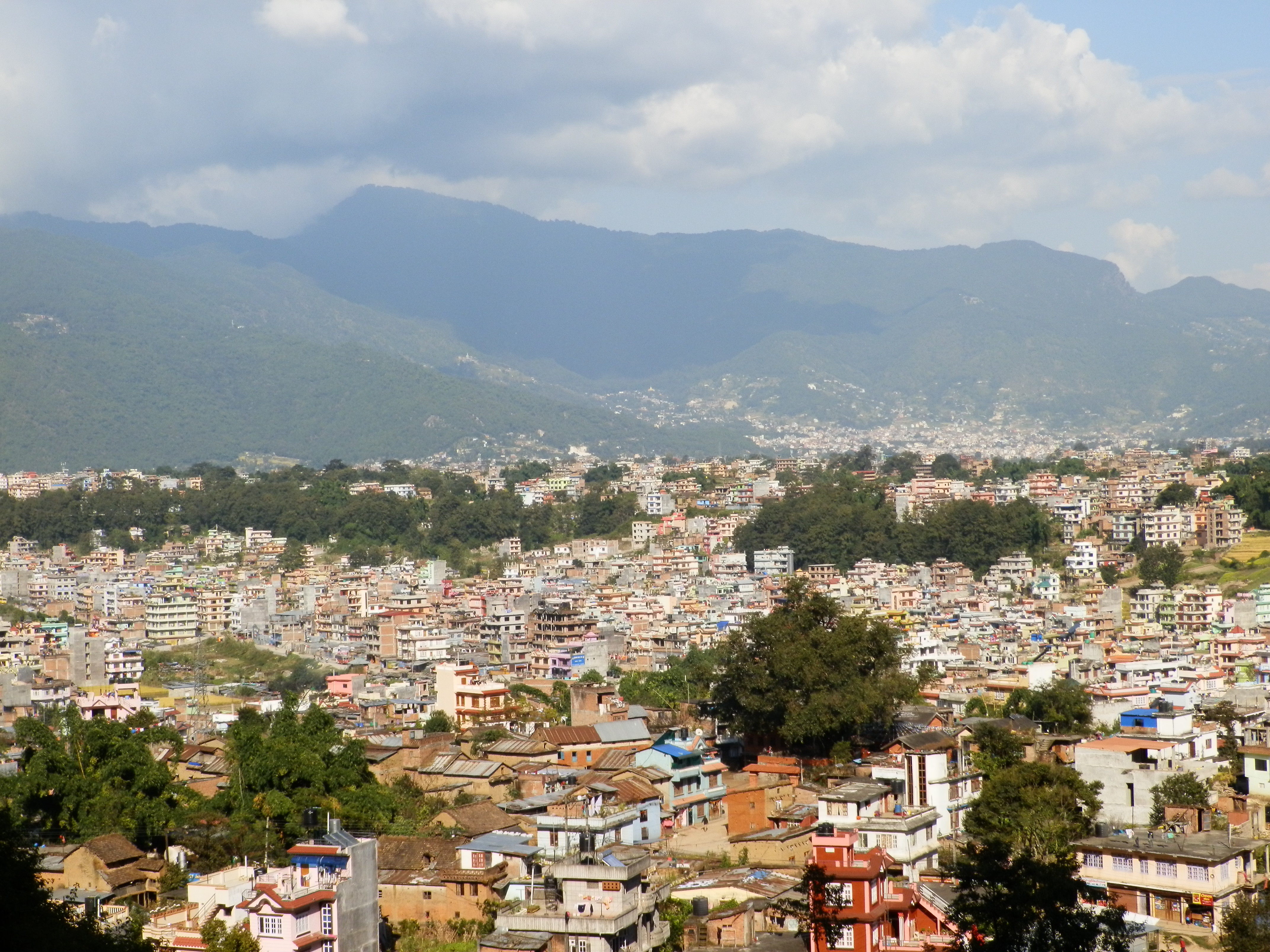
I was eager to get out in the field myself, though, and it was a fantastic day today setting a few camera traps at Shivapuri National Park adjacent to Kathmandu.

OLYMPUS DIGITAL CAMERA      Paul Buzzard - Nepal 5

We set two of the traps near tracks of leopard, wild boar and sambar deer so we are hopeful to get some pictures of leopards. It was also nice because we saw troops of macaques and several interesting birds. I also heard about a leopard or leopards that have been killing livestock and dogs around the U.S. embassy so learning more about leopard ecology in Shivapuri and Kathmandu is essential to avoiding human-leopard conflict.

OLYMPUS DIGITAL CAMERA

The only challenges today were the mosquitoes and the few remaining leeches in the forest. My next step is to go to Lao PDR to check on a project that is also using camera traps to document the wildlife remaining around Luang Namtha, northern Lao PDR and improve eco-tourism, so it’s a red-eye tonight to Hong Kong than another red-eye to Luang Namtha via Hanoi and Vientiane.

– Paul Buzzard

Notes from the Field – Kaktovik, Alaska

Detroit Zoological Society Director of Conservation Paul Buzzard visited Kaktovik, Alaska, studying polar bears in the wild.

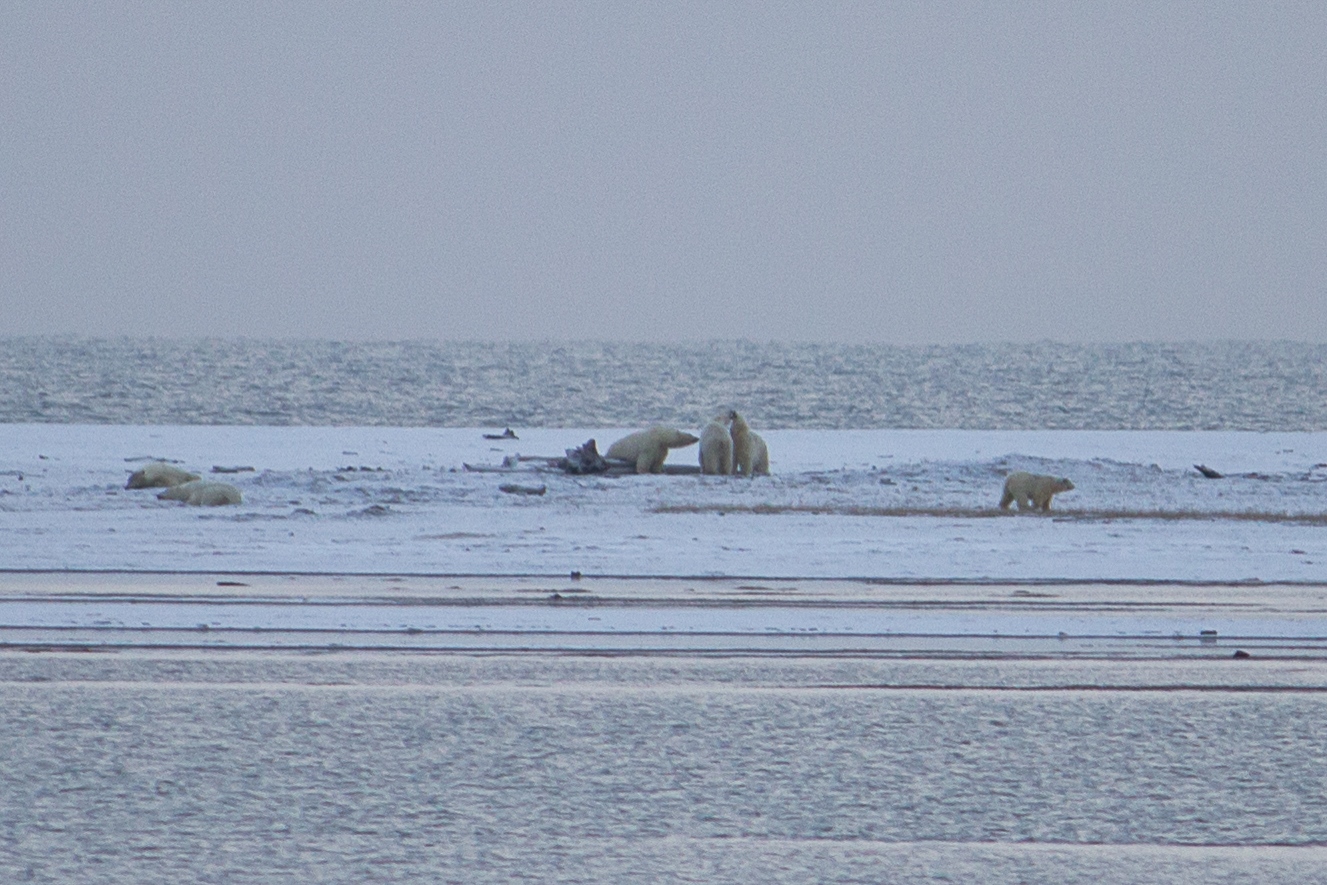
The Detroit Zoological Society has supported polar bear research for many years, and now we are becoming more directly involved in polar bear research and conservation. This morning, we saw 15 polar bears on the small barrier island off of Kaktovik, Alaska.

Paul - Polar Bears

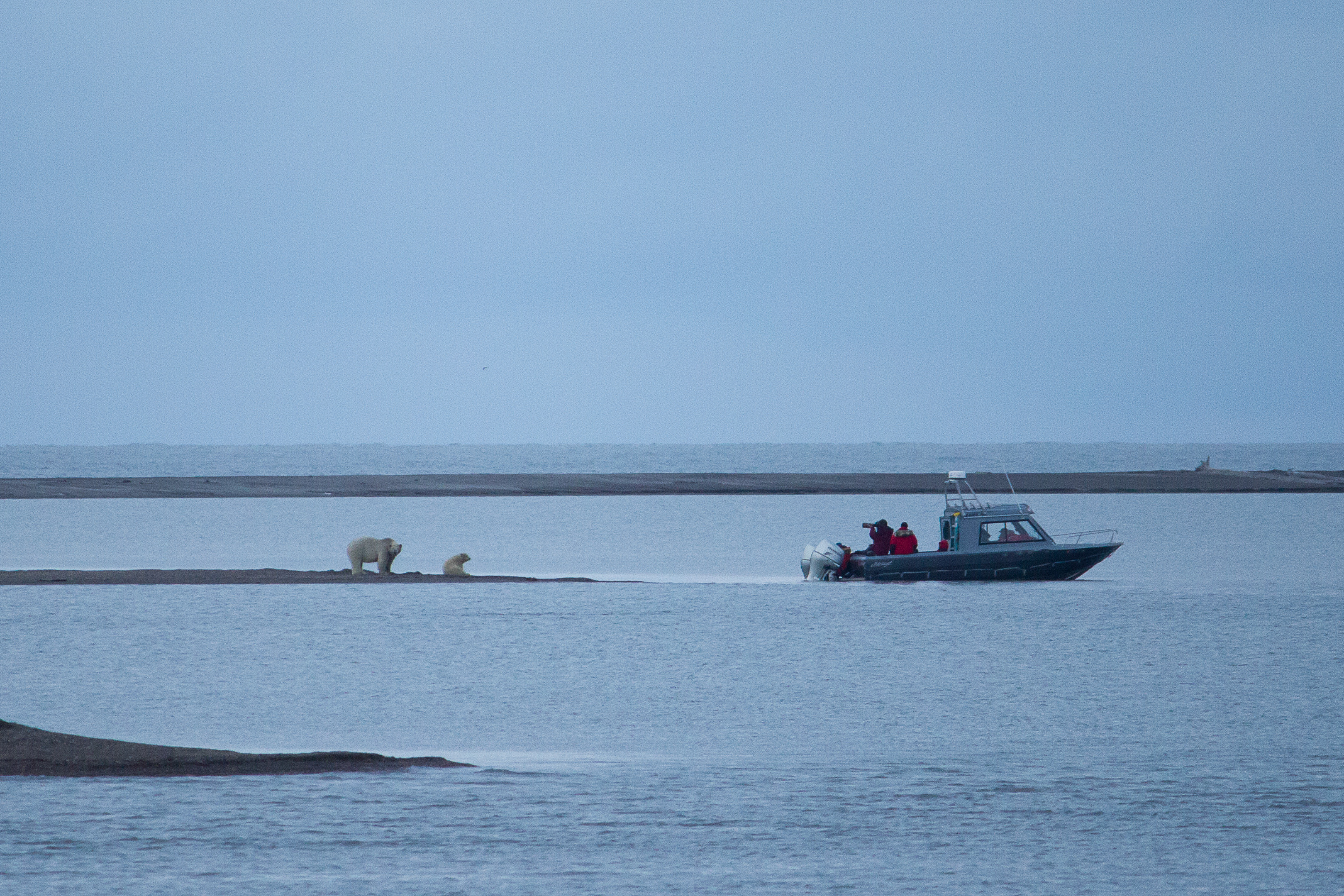
The goal is to go out on a small boat to get closer to the polar bears but we must wait and see if conditions will allow for it.

Paul Buzzard - boat and bears

In the afternoon, I joined staff from the United States Geological Survey to visit a local school to discuss polar bear research. I also had a chance to discuss my work in Nepal and China with snow leopards and red pandas with one of the classes.  I learned local Inupiat dances. I also found so many great Detroit connections – one of the Arctic Refuge staff is from Livonia, two of the teachers here are from Detroit, and I met a Detroit Zoological Society Renaissance Circle member on vacation here.  And one more Michigan connection:  There was an Alaska Fish and Wildlife researcher originally from Muskegon; she was stuck in Prudhoe Bay waiting for the weather to clear to census polar bears by helicopter.

At night, we went to the bone pile, which is the remains from the recent bowhead whale harvest, and we saw several bears scavenging. We learned to never walk outside at night because of polar bears in town.  Every night there is a polar bear patrol to scare away bears in town that might be feeding on whale meat scraps or dog feed and pose a potential threat to humans.  I heard two shots right before I went to bead a couple hundred meters from our house and this morning saw some huge tracks from the bear.

– Paul Buzzard